THE ADVENTURE COLLECTIVE® · Independent discovery and booking for outdoor travel

Skip the lines and let an expert guide untangle the Louvre’s highlights—Mona Lisa, Venus of Milo and the Egyptian wing—on a three‑hour private tour that’s customizable to your interests. Expect focused commentary, efficient routing and hands‑on historical context without the crowds.
Skip the lines and let an expert guide untangle the Louvre’s highlights—Mona Lisa, Venus of Milo and the Egyptian wing—on a three‑hour private tour that’s customizable to your interests. Expect focused commentary, efficient routing and hands‑on historical context without the crowds.
You meet under the Arc de Triomphe du Carrousel; traffic hums, the Seine glints, and the glass pyramid frames a river of visitors. Inside the Louvre the temperature drops a degree, the echoes of footsteps replace city noise, and centuries of stone and paint begin to speak. A private guide steers you quickly through halls where bronze, marble and oil paint hold court.
Verified experiences and guided adventures in the surrounding area.
Operated by Raphael Tours & Events · Paris, Île-de-France
You meet under the Arc de Triomphe du Carrousel; traffic hums, the Seine glints, and the glass pyramid frames a river of visitors. Inside the Louvre the temperature drops a degree, the echoes of footsteps replace city noise, and centuries of stone and paint begin to speak. A private guide steers you quickly through halls where bronze, marble and oil paint hold court.
The Louvre began as a 12th‑century fortress on Paris’s Seine alluvium and evolved into a royal palace before becoming the national museum after the Revolution. Its galleries trace epochs—from pharaonic sarcophagi in the Egyptian wing to Delacroix’s charged 19th‑century canvases and Leonardo’s intimate portrait. The building itself is layered history: medieval foundations, Renaissance façades and I.M. Pei’s modern pyramid at the courtyard’s center.
Expect close reading of artworks, concise historical context, and strategic navigation to iconic pieces like the Mona Lisa and the Venus de Milo while avoiding the densest crowds. Guides often tailor commentary to your interests—technique, patronage, or scandal—so you get depth without wandering aimlessly.
Practicalities: pre‑booked timed entry skips long lines but allow three hours to move at a steady pace. Wear comfortable shoes for stone floors and bring a compact notebook or camera (no tripods, flash discouraged). Mornings are quieter; late afternoons fill as cruise and tour groups arrive. Accessibility is strong—ramps and elevators connect major wings—but expect some walking between rooms. Respect barriers and no touching rules; conservation depends on visitors as much as curators.
This private tour includes pre‑booked Louvre entrance tickets (€22 adult rate applies) so you skip the ticket line upon arrival.
Yes—children and strollers are accommodated; the museum is largely stroller and wheelchair accessible with ramps and elevators to main galleries.
Yes—guides tailor the three‑hour itinerary to focus on your interests, though must balance must‑see highlights with crowd logistics.
Private guides provide live commentary; audio guides aren’t necessary for this experience but you can request supplemental audio devices if needed.
Raphael Tours & Events operates guided outdoor trips and adventures with an emphasis on safety, stewardship, and memorable experiences.
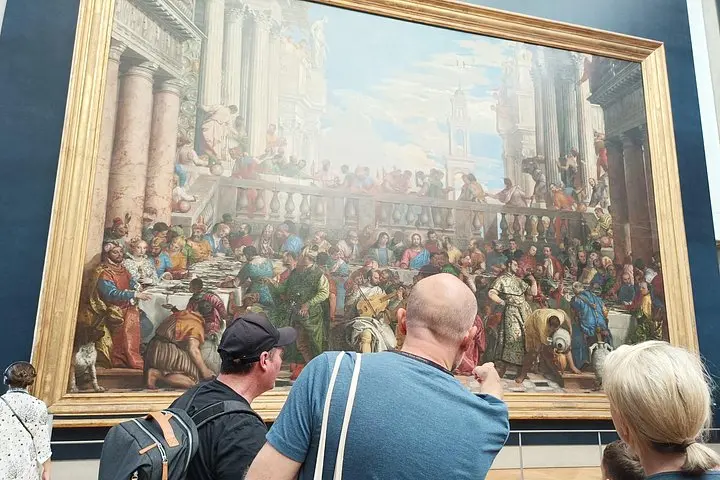
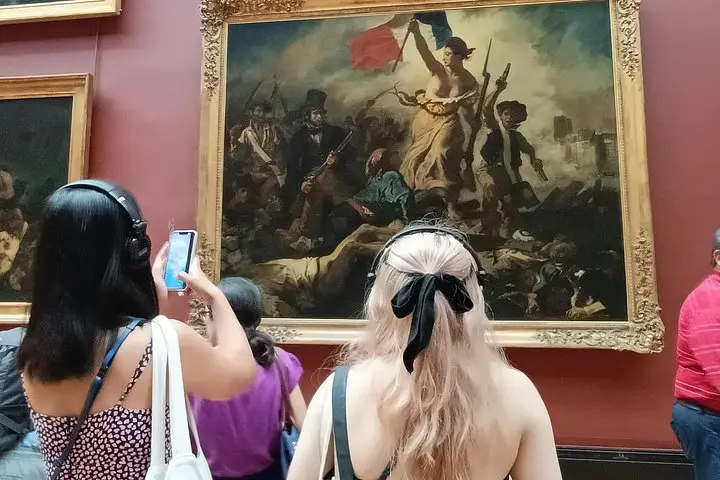
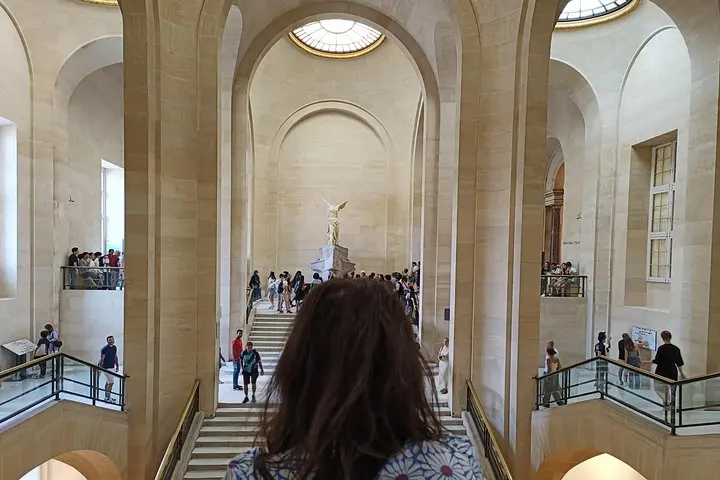
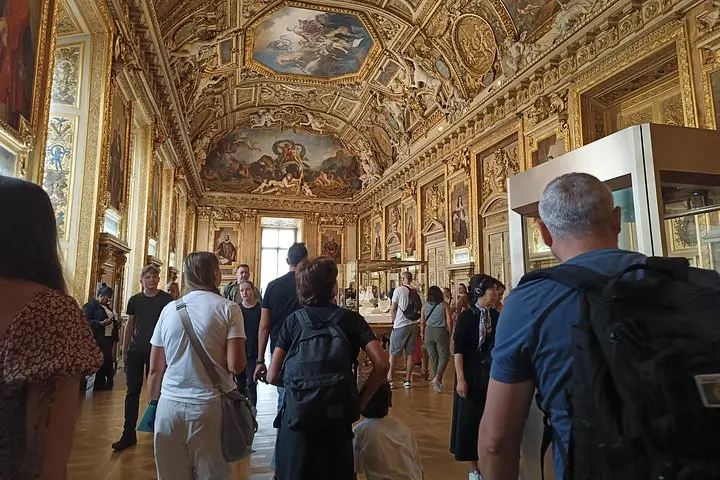
You meet under the Arc de Triomphe du Carrousel; traffic hums, the Seine glints, and the glass pyramid frames a river of visitors. Inside the Louvre the temperature drops a degree, the echoes of footsteps replace city noise, and centuries of stone and paint begin to speak. A private guide steers you quickly through halls where bronze, marble and oil paint hold court.
You meet under the Arc de Triomphe du Carrousel; traffic hums, the Seine glints, and the glass pyramid frames a river of visitors. Inside the Louvre the temperature drops a degree, the echoes of footsteps replace city noise, and centuries of stone and paint begin to speak. A private guide steers you quickly through halls where bronze, marble and oil paint hold court.
The Louvre began as a 12th‑century fortress on Paris’s Seine alluvium and evolved into a royal palace before becoming the national museum after the Revolution. Its galleries trace epochs—from pharaonic sarcophagi in the Egyptian wing to Delacroix’s charged 19th‑century canvases and Leonardo’s intimate portrait. The building itself is layered history: medieval foundations, Renaissance façades and I.M. Pei’s modern pyramid at the courtyard’s center.
Expect close reading of artworks, concise historical context, and strategic navigation to iconic pieces like the Mona Lisa and the Venus de Milo while avoiding the densest crowds. Guides often tailor commentary to your interests—technique, patronage, or scandal—so you get depth without wandering aimlessly.
Practicalities: pre‑booked timed entry skips long lines but allow three hours to move at a steady pace. Wear comfortable shoes for stone floors and bring a compact notebook or camera (no tripods, flash discouraged). Mornings are quieter; late afternoons fill as cruise and tour groups arrive. Accessibility is strong—ramps and elevators connect major wings—but expect some walking between rooms. Respect barriers and no touching rules; conservation depends on visitors as much as curators.