THE ADVENTURE COLLECTIVE® · Independent discovery and booking for outdoor travel

Skip the lines and let an expert guide thread history, technique, and cultural context through the Louvre’s greatest works. This private 2½-hour tour focuses on highlights—Mona Lisa, Venus de Milo, Winged Victory—while offering practical tips for a smoother visit.
Skip the lines and let an expert guide thread history, technique, and cultural context through the Louvre’s greatest works. This private 2½-hour tour focuses on highlights—Mona Lisa, Venus de Milo, Winged Victory—while offering practical tips for a smoother visit.
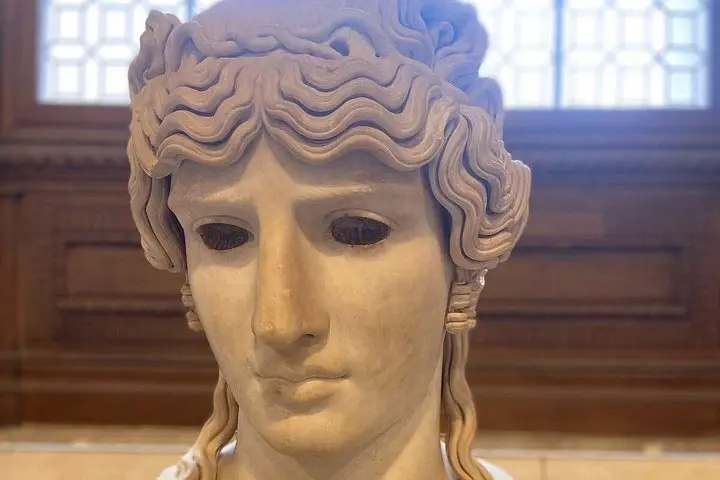
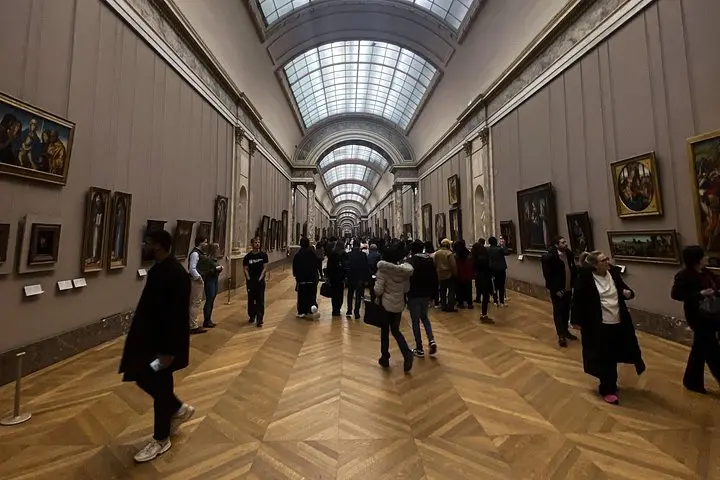
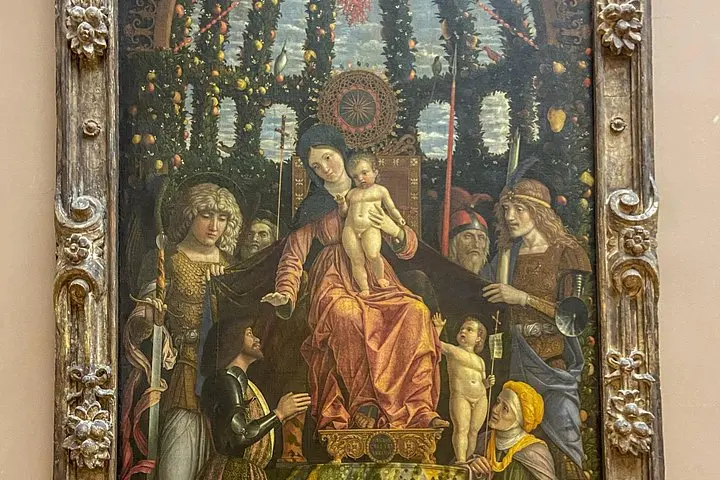
The glass pyramid glints in a Paris morning as your guide waits beneath its geometric frame, voice low against the murmur of arrivals. You step from the courtyard into cool galleries where stone staircases hush the rush of the city and centuries of art press close—paintings that stare, sculptures that lean toward you, and marble that keeps the old light.
Verified experiences and guided adventures in the surrounding area.
Operated by Uncle Sam Tours · Paris, Île-de-France
The glass pyramid glints in a Paris morning as your guide waits beneath its geometric frame, voice low against the murmur of arrivals. You step from the courtyard into cool galleries where stone staircases hush the rush of the city and centuries of art press close—paintings that stare, sculptures that lean toward you, and marble that keeps the old light.
Once a 12th-century fortress and later a royal palace, the Louvre opened as a public museum after the French Revolution and now houses tens of thousands of objects, from Egyptian sphinxes to 19th‑century history painting. I.M. Pei’s pyramid, a modern counterpoint, directs flow and light into the expansive halls below, while galleries trace evolving techniques, patrons, and politics that shaped Western art.
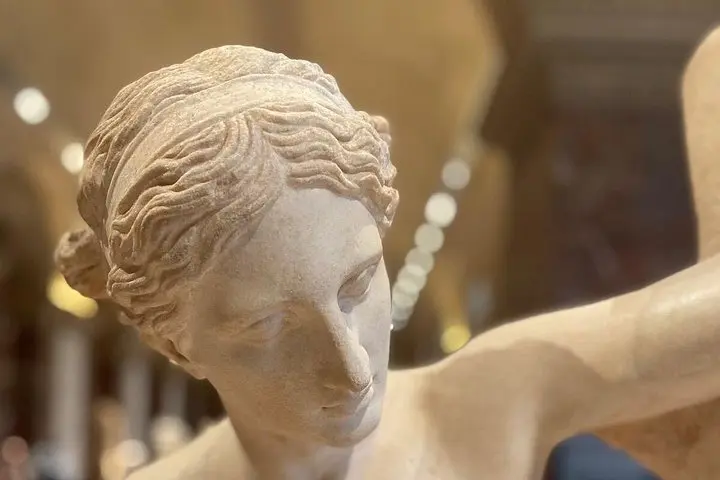
On a private tour you’ll move deliberately: the Winged Victory’s spread of motion, Venus de Milo’s classical poise, then the small, crowded room of the Mona Lisa where context matters as much as the smile. Your guide frames the Coronation of Napoleon and The Raft of Medusa with social and technical notes that make familiar works feel newly urgent.
Practical notes: tours run about 2½ hours, require steady walking and standing, and accept mobile or paper tickets. Bring ID if you qualify for free admission under EU rules, wear quiet-soled shoes, and plan transport—the Louvre is best reached by metro. Expect security screening and photography rules that protect fragile works. With preparation, a private tour turns a busy museum into a focused, revealing journey through art and history.
Yes — the tour includes timed entry and guides navigate the entrance process to reduce wait times, though standard security screening still applies.
Non-flash photography is generally permitted in most rooms, but some works and temporary exhibitions may prohibit photography—follow signage and guide instructions.
The Louvre has elevators and ramps, but some rooms and routes involve stairs; notify the operator when booking to arrange accessible routing.
You can receive a full refund if you cancel at least 24 hours before the scheduled departure; check your confirmation for details.
Uncle Sam Tours operates guided outdoor trips and adventures with an emphasis on safety, stewardship, and memorable experiences.
The glass pyramid glints in a Paris morning as your guide waits beneath its geometric frame, voice low against the murmur of arrivals. You step from the courtyard into cool galleries where stone staircases hush the rush of the city and centuries of art press close—paintings that stare, sculptures that lean toward you, and marble that keeps the old light.
The glass pyramid glints in a Paris morning as your guide waits beneath its geometric frame, voice low against the murmur of arrivals. You step from the courtyard into cool galleries where stone staircases hush the rush of the city and centuries of art press close—paintings that stare, sculptures that lean toward you, and marble that keeps the old light.
Once a 12th-century fortress and later a royal palace, the Louvre opened as a public museum after the French Revolution and now houses tens of thousands of objects, from Egyptian sphinxes to 19th‑century history painting. I.M. Pei’s pyramid, a modern counterpoint, directs flow and light into the expansive halls below, while galleries trace evolving techniques, patrons, and politics that shaped Western art.
On a private tour you’ll move deliberately: the Winged Victory’s spread of motion, Venus de Milo’s classical poise, then the small, crowded room of the Mona Lisa where context matters as much as the smile. Your guide frames the Coronation of Napoleon and The Raft of Medusa with social and technical notes that make familiar works feel newly urgent.
Practical notes: tours run about 2½ hours, require steady walking and standing, and accept mobile or paper tickets. Bring ID if you qualify for free admission under EU rules, wear quiet-soled shoes, and plan transport—the Louvre is best reached by metro. Expect security screening and photography rules that protect fragile works. With preparation, a private tour turns a busy museum into a focused, revealing journey through art and history.