THE ADVENTURE COLLECTIVE® · Independent discovery and booking for outdoor travel

Drive a day through the Luberon’s iconic hilltop villages — from Gordes’ stone lanes to Roussillon’s ochre cliffs and the Renaissance Château de Lourmarin. This private eight-hour tour pairs short walks with local food stops and curated views across vineyards and lavender fields.
Drive a day through the Luberon’s iconic hilltop villages — from Gordes’ stone lanes to Roussillon’s ochre cliffs and the Renaissance Château de Lourmarin. This private eight-hour tour pairs short walks with local food stops and curated views across vineyards and lavender fields.
Morning light spills over limestone roofs as the van curls up toward Gordes, and the day begins like a walk through chapters of Provençal history. You step out onto cobbled lanes, stone houses stacked like chess pieces, and the air carries the dry scent of lavender fields and sun-warmed rock.
Verified experiences and guided adventures in the surrounding area.
Operated by OohProvence · Gordes, Provence-Alpes-Côte d'Azur
Morning light spills over limestone roofs as the van curls up toward Gordes, and the day begins like a walk through chapters of Provençal history. You step out onto cobbled lanes, stone houses stacked like chess pieces, and the air carries the dry scent of lavender fields and sun-warmed rock.
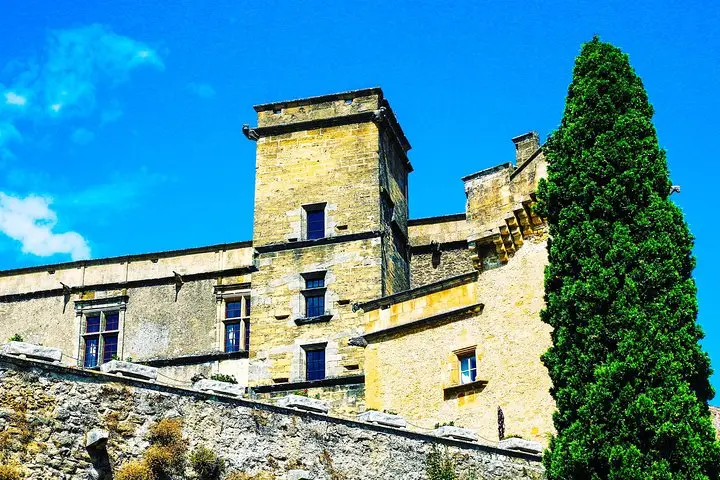
The Luberon is a ridge of folded limestone and ochre, carved over millennia into cliffs and terraces that held Roman roads and medieval strongholds. Roussillon’s red cliffs come from the region’s unique ochre deposits; nearby villages grew where stone and soil favored vines, olives, and saffron in earlier centuries. Bonnieux and Lourmarin show the region’s cultural shift from fortified medieval hamlets to Renaissance estates — Lourmarin’s 15th-century château is a clear example.
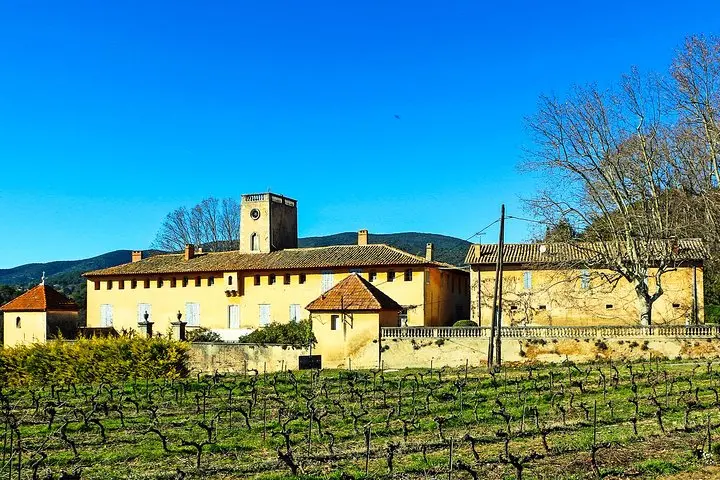
Expect short guided walks through narrow streets, stops at the Village des Bories’ dry-stone huts, and time for local food in Goult or Menerbes. The route crosses the Luberon massif and offers vineyard views; keep an eye out for red kites circling thermals and the occasional wild boar sign in lower scrub.
Practically: this private, eight-hour tour relies on pavement, village staircases and uneven cobbles rather than long hikes. Wear sturdy shoes for cobbles, carry a refillable water bottle, and plan for hot summers or breezy spring mornings. If you want the château interior, check opening times and buy admission in advance. Pickup can be coordinated from Aix, Avignon or Marseille — confirm exact pickup and any supplement for out-of-town addresses when you book.
Admission is not automatically included; the tour can stop for a visit but entrance fees should be paid separately and opening hours vary seasonally.
Pickup and drop-off can be arranged from Avignon, Aix-en-Provence or Marseille (including cruise terminal and TGV stations); extra charges may apply for distant addresses.
Yes—villages are stroller-accessible in many areas, though cobblestones and steps may require lifting the stroller in spots.
As a private tour, the route and time in each village can usually be adjusted; request specific stops or timing when booking.
OohProvence operates guided outdoor trips and adventures with an emphasis on safety, stewardship, and memorable experiences.
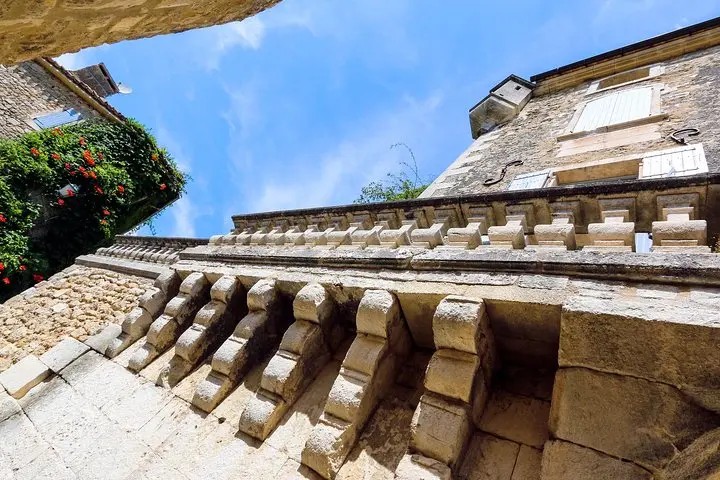
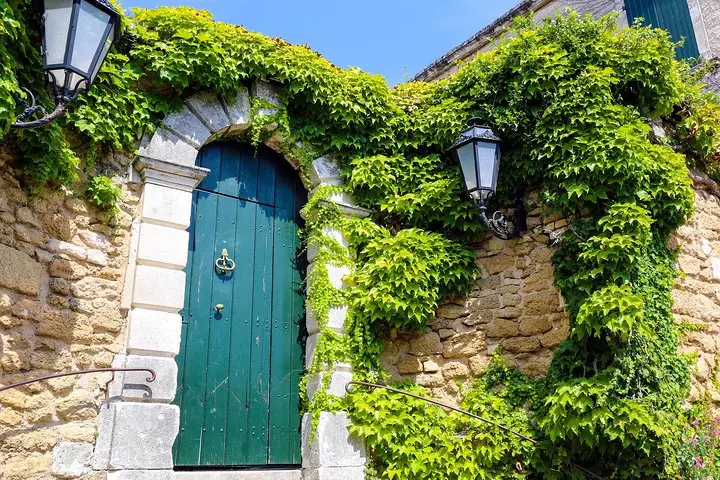
Morning light spills over limestone roofs as the van curls up toward Gordes, and the day begins like a walk through chapters of Provençal history. You step out onto cobbled lanes, stone houses stacked like chess pieces, and the air carries the dry scent of lavender fields and sun-warmed rock.
Morning light spills over limestone roofs as the van curls up toward Gordes, and the day begins like a walk through chapters of Provençal history. You step out onto cobbled lanes, stone houses stacked like chess pieces, and the air carries the dry scent of lavender fields and sun-warmed rock.
The Luberon is a ridge of folded limestone and ochre, carved over millennia into cliffs and terraces that held Roman roads and medieval strongholds. Roussillon’s red cliffs come from the region’s unique ochre deposits; nearby villages grew where stone and soil favored vines, olives, and saffron in earlier centuries. Bonnieux and Lourmarin show the region’s cultural shift from fortified medieval hamlets to Renaissance estates — Lourmarin’s 15th-century château is a clear example.
Expect short guided walks through narrow streets, stops at the Village des Bories’ dry-stone huts, and time for local food in Goult or Menerbes. The route crosses the Luberon massif and offers vineyard views; keep an eye out for red kites circling thermals and the occasional wild boar sign in lower scrub.
Practically: this private, eight-hour tour relies on pavement, village staircases and uneven cobbles rather than long hikes. Wear sturdy shoes for cobbles, carry a refillable water bottle, and plan for hot summers or breezy spring mornings. If you want the château interior, check opening times and buy admission in advance. Pickup can be coordinated from Aix, Avignon or Marseille — confirm exact pickup and any supplement for out-of-town addresses when you book.