THE ADVENTURE COLLECTIVE® · Independent discovery and booking for outdoor travel

A private, air-conditioned car carries you from Lumbini’s tranquil pilgrimage grounds into the layered geography of the Kathmandu Valley. Expect a full-day scenic drive with stops on request and assisted door-to-door service.
A private, air-conditioned car carries you from Lumbini’s tranquil pilgrimage grounds into the layered geography of the Kathmandu Valley. Expect a full-day scenic drive with stops on request and assisted door-to-door service.
You leave Lumbini’s quiet pilgrimage gardens with the low light of the Terai at your back and the road unfurling ahead—rice paddies, the occasional temple spire, and the steady hum of a private air‑conditioned car. The drive climbs from roughly 100 m in the plains toward the Kathmandu Valley, changing from flat farmland to rolling Siwalik foothills and the tighter, winding approaches into the valley.
Verified experiences and guided adventures in the surrounding area.
Operated by CAN Travels · Lumbini, Lumbini Province
You leave Lumbini’s quiet pilgrimage gardens with the low light of the Terai at your back and the road unfurling ahead—rice paddies, the occasional temple spire, and the steady hum of a private air‑conditioned car. The drive climbs from roughly 100 m in the plains toward the Kathmandu Valley, changing from flat farmland to rolling Siwalik foothills and the tighter, winding approaches into the valley.
This route links two of Nepal’s most contrasting places: Lumbini, the lowland birthplace of the Buddha and a UNESCO cultural landscape, and Kathmandu, a complex weave of Newar temples, Durbar Squares and living heritage. Geologically the trip traverses Terai alluvium into older river-cut terraces and the younger, folded hills that precede the high Himalaya. Culturally you’ll pass Hindu and Buddhist shrines, roadside teashops, and towns shaped by long-distance trade routes.
Expect roughly 6–8 hours on the road depending on stops and traffic—about 250–280 km by the common highway—gaining around 1,200–1,400 m in elevation overall. The driver provided is experienced with luggage assistance and planned comfort breaks; you can request photo or meal stops en route.
Practical guidance: travel mid-morning to avoid Kathmandu rush hour, bring layers for cooler valley air, keep local cash for roadside stalls, and charge devices beforehand. If you’re prone to motion sickness, choose a front passenger seat. This private transfer is straightforward travel logistics with a steady pace and plenty of roadside character.
Typical driving time is about 6–8 hours depending on traffic and road conditions; distance is roughly 250–280 km by highway.
Yes—this private transfer allows stops on request for meals, restrooms, or short photography breaks, subject to timing.
Child seating policies vary; check with the operator ahead of booking and note infants may be required to sit on laps per provider policy.
The elevation gain is gradual to Kathmandu (~1,200–1,400 m); most travelers experience no issues, but stay hydrated and avoid strenuous activity on arrival if you feel unwell.
CAN Travels operates guided outdoor trips and adventures with an emphasis on safety, stewardship, and memorable experiences.
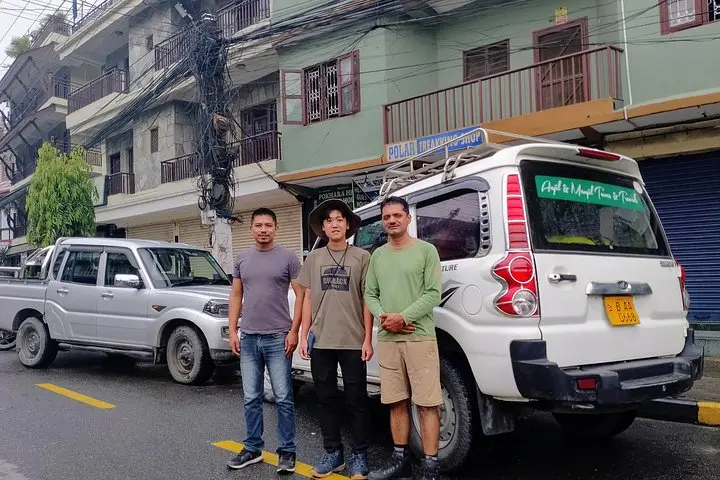
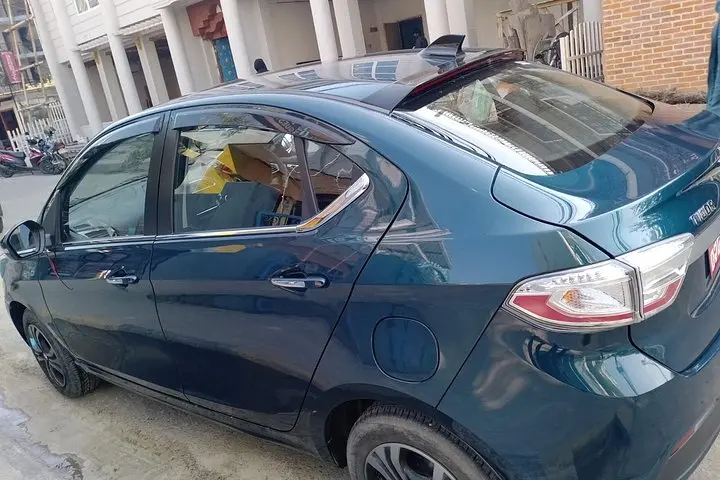
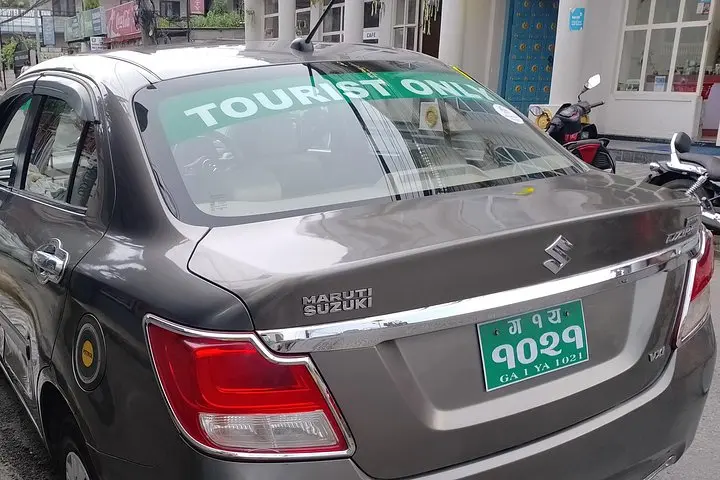
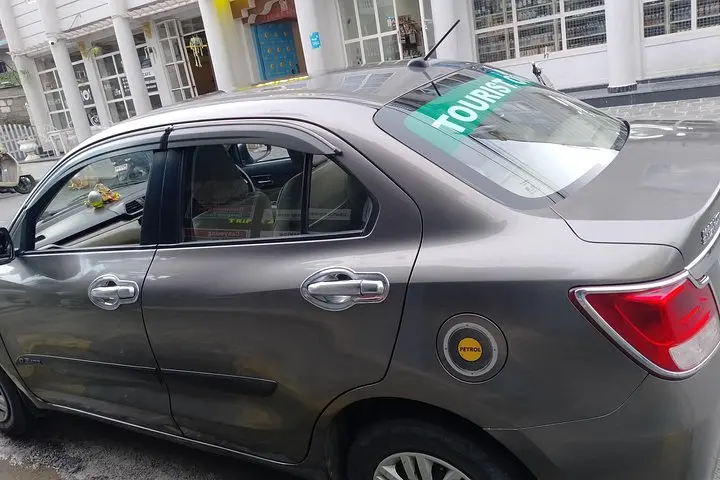
You leave Lumbini’s quiet pilgrimage gardens with the low light of the Terai at your back and the road unfurling ahead—rice paddies, the occasional temple spire, and the steady hum of a private air‑conditioned car. The drive climbs from roughly 100 m in the plains toward the Kathmandu Valley, changing from flat farmland to rolling Siwalik foothills and the tighter, winding approaches into the valley.
You leave Lumbini’s quiet pilgrimage gardens with the low light of the Terai at your back and the road unfurling ahead—rice paddies, the occasional temple spire, and the steady hum of a private air‑conditioned car. The drive climbs from roughly 100 m in the plains toward the Kathmandu Valley, changing from flat farmland to rolling Siwalik foothills and the tighter, winding approaches into the valley.
This route links two of Nepal’s most contrasting places: Lumbini, the lowland birthplace of the Buddha and a UNESCO cultural landscape, and Kathmandu, a complex weave of Newar temples, Durbar Squares and living heritage. Geologically the trip traverses Terai alluvium into older river-cut terraces and the younger, folded hills that precede the high Himalaya. Culturally you’ll pass Hindu and Buddhist shrines, roadside teashops, and towns shaped by long-distance trade routes.
Expect roughly 6–8 hours on the road depending on stops and traffic—about 250–280 km by the common highway—gaining around 1,200–1,400 m in elevation overall. The driver provided is experienced with luggage assistance and planned comfort breaks; you can request photo or meal stops en route.
Practical guidance: travel mid-morning to avoid Kathmandu rush hour, bring layers for cooler valley air, keep local cash for roadside stalls, and charge devices beforehand. If you’re prone to motion sickness, choose a front passenger seat. This private transfer is straightforward travel logistics with a steady pace and plenty of roadside character.