THE ADVENTURE COLLECTIVE® · Independent discovery and booking for outdoor travel

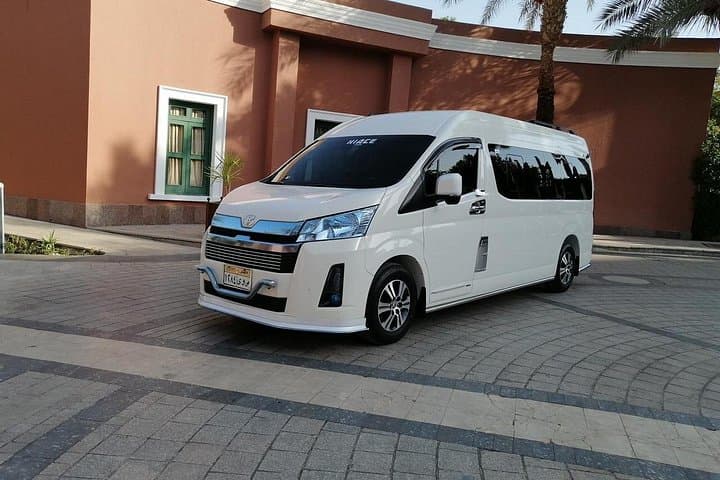
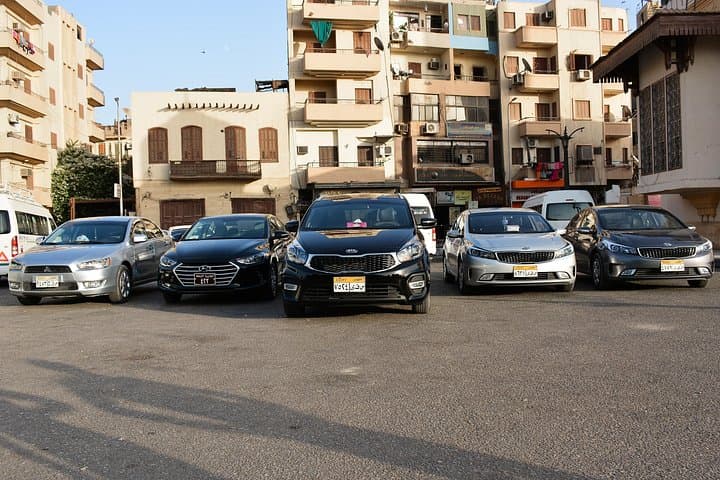
Explore Luxor at your own pace with a private English‑speaking driver for 4–8 hours. Visit Karnak, Luxor Temple, the Valley of the Kings and more — licensed guides and tickets are purchased on-site.
Explore Luxor at your own pace with a private English‑speaking driver for 4–8 hours. Visit Karnak, Luxor Temple, the Valley of the Kings and more — licensed guides and tickets are purchased on-site.
You pull out of a narrow street in modern Luxor and the river air changes everything: dust softens, sun-on-stone sharpens, and the city’s ancient axis opens toward colossal pylons and terraces. From the passenger seat, Karnak’s avenue of ram-headed sphinxes looms, laterals of sandstone and granite catching the light like pages in a slow-moving history book.
Verified experiences and guided adventures in the surrounding area.
Operated by Eyes of Egypt · Luxor, Luxor Governorate
You pull out of a narrow street in modern Luxor and the river air changes everything: dust softens, sun-on-stone sharpens, and the city’s ancient axis opens toward colossal pylons and terraces. From the passenger seat, Karnak’s avenue of ram-headed sphinxes looms, laterals of sandstone and granite catching the light like pages in a slow-moving history book.
Luxor sits on the Nile’s east bank where millennia of pharaonic ambition concentrated temples and processional ways; the west bank holds necropolises hewn into arid limestone and the tombs of New Kingdom kings. Geology here is simple and revealing — soft alluvial flats give way to fossil-rich limestone bluffs where tomb-cutting preserved painted scenes for thousands of years. Culturally, the city remains alive: market vendors, local chauffeurs, and resident archaeologists shape a working landscape around the ruins.
Practically, a private car-and-driver tour gives mobility between East and West Bank highlights — Karnak, Luxor Temple at sunset, the Valley of the Kings, Hatshepsut’s terraces, and quieter tombs on the Valley of the Queens. Licensed guides and entrance tickets are purchased on-site, so plan timing and budget accordingly. Start early to beat heat and crowds, wear sturdy shoes for uneven steps, bring sunscreen and water, and leave room in your schedule for unplanned discoveries at lesser ruins and museum stops. Your driver handles navigation and parking; you set the pace.
No — licensed guides and site entrance tickets are not included; buy tickets at ticket offices on arrival or arrange a licensed guide separately.
Yes — the private driver typically waits at agreed locations for the duration you choose, but confirm waiting time and any additional fees when booking.
The service offers wheelchair-accessible transportation, but many archaeological sites have limited accessibility due to steps and uneven surfaces; check specific sites in advance.
Focus on the East Bank—Karnak and Luxor Temple—or choose one West Bank highlight like the Valley of the Kings to avoid rushing.
Eyes of Egypt operates guided outdoor trips and adventures with an emphasis on safety, stewardship, and memorable experiences.

You pull out of a narrow street in modern Luxor and the river air changes everything: dust softens, sun-on-stone sharpens, and the city’s ancient axis opens toward colossal pylons and terraces. From the passenger seat, Karnak’s avenue of ram-headed sphinxes looms, laterals of sandstone and granite catching the light like pages in a slow-moving history book.
You pull out of a narrow street in modern Luxor and the river air changes everything: dust softens, sun-on-stone sharpens, and the city’s ancient axis opens toward colossal pylons and terraces. From the passenger seat, Karnak’s avenue of ram-headed sphinxes looms, laterals of sandstone and granite catching the light like pages in a slow-moving history book.
Luxor sits on the Nile’s east bank where millennia of pharaonic ambition concentrated temples and processional ways; the west bank holds necropolises hewn into arid limestone and the tombs of New Kingdom kings. Geology here is simple and revealing — soft alluvial flats give way to fossil-rich limestone bluffs where tomb-cutting preserved painted scenes for thousands of years. Culturally, the city remains alive: market vendors, local chauffeurs, and resident archaeologists shape a working landscape around the ruins.
Practically, a private car-and-driver tour gives mobility between East and West Bank highlights — Karnak, Luxor Temple at sunset, the Valley of the Kings, Hatshepsut’s terraces, and quieter tombs on the Valley of the Queens. Licensed guides and entrance tickets are purchased on-site, so plan timing and budget accordingly. Start early to beat heat and crowds, wear sturdy shoes for uneven steps, bring sunscreen and water, and leave room in your schedule for unplanned discoveries at lesser ruins and museum stops. Your driver handles navigation and parking; you set the pace.