THE ADVENTURE COLLECTIVE® · Independent discovery and booking for outdoor travel

Spend a private afternoon exploring Karnak’s towering columns, the curated artifacts of Luxor Museum, and the atmospheric, illuminated Luxor Temple. This guided, door‑to‑door experience pairs local insight with flexible pacing for families and culture travelers.
Spend a private afternoon exploring Karnak’s towering columns, the curated artifacts of Luxor Museum, and the atmospheric, illuminated Luxor Temple. This guided, door‑to‑door experience pairs local insight with flexible pacing for families and culture travelers.
You step from the cool hush of an air‑conditioned car onto a sun-washed avenue; the Nile hums nearby, its evening breeze nudging you toward stone that still remembers kings. This private Luxor tour stitches three of the city’s main threads — Karnak’s monumental pylons, Luxor Museum’s curated artifacts, and Luxor Temple’s night-lit colossi — into a single, relaxed afternoon.
Verified experiences and guided adventures in the surrounding area.
Operated by Eyes of Egypt · Luxor, Luxor Governorate
You step from the cool hush of an air‑conditioned car onto a sun-washed avenue; the Nile hums nearby, its evening breeze nudging you toward stone that still remembers kings. This private Luxor tour stitches three of the city’s main threads — Karnak’s monumental pylons, Luxor Museum’s curated artifacts, and Luxor Temple’s night-lit colossi — into a single, relaxed afternoon.
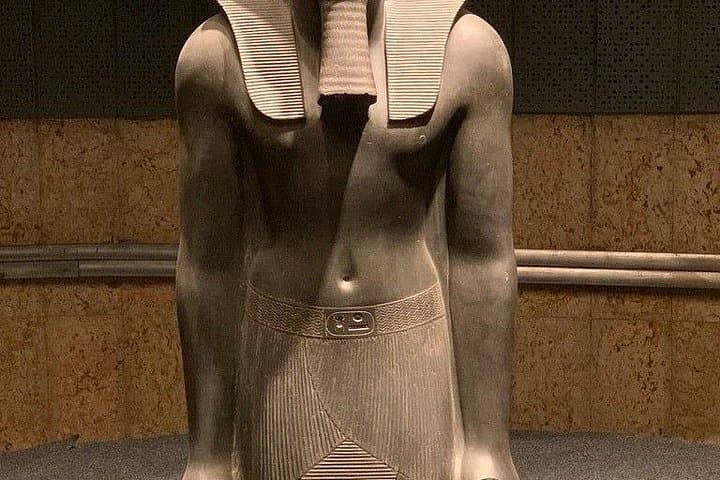
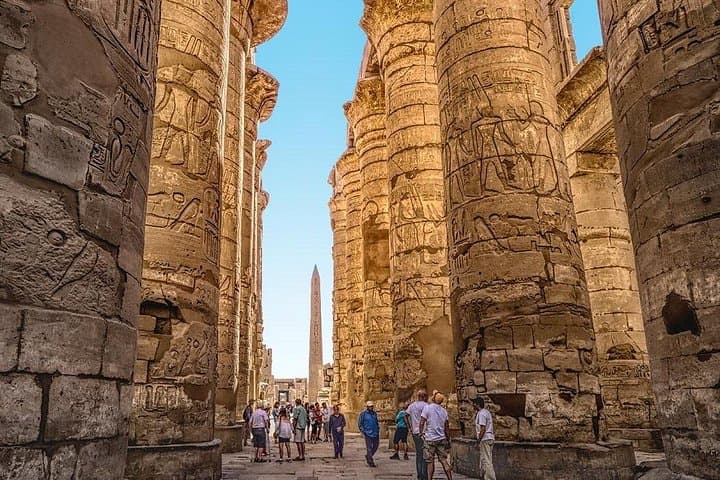
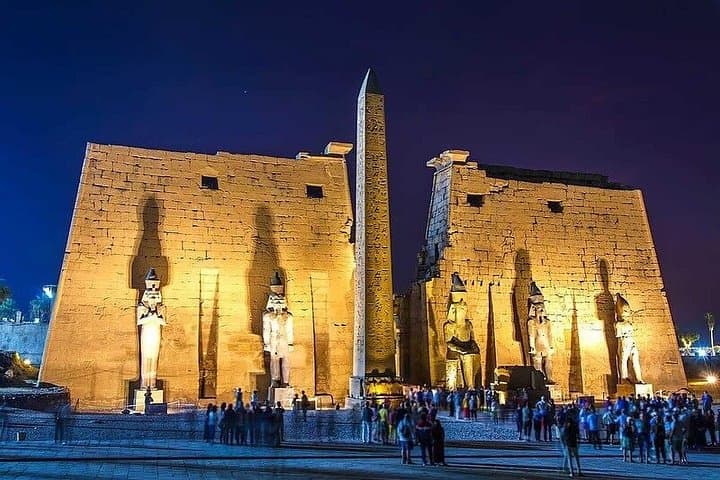
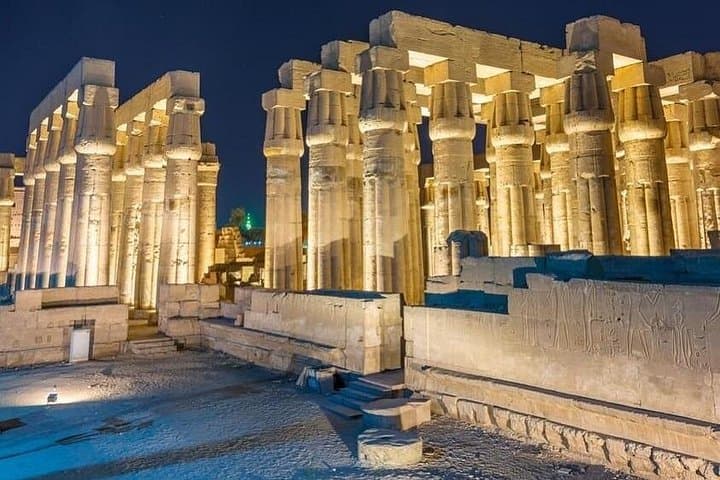
Karnak grew over centuries as a religious campus devoted to Amun-Ra, its Hypostyle Hall a forest of stone columns that once framed ritual processions. Luxor Museum collects regional finds — statues, jewelry and mummified remains that clarify the lives of pharaohs and commoners alike. Luxor Temple, begun under Amenhotep III and expanded by Ramses II, stands on the ancient avenue that linked the great sites; at night its reliefs take on dramatic depth under lamps and moonlight.
Expect mostly level walking between exhibits with uneven stone, short stair sections and shaded colonnades; total on‑foot distance is typically 1–2 km spread across stops. Cultural context is constant: your local guide will explain inscriptions, dynastic shifts and how the Nile shaped daily life here.
Practical notes: dress modestly (cover shoulders and knees), carry sunscreen and 1–2 liters of water, and set your camera for low light if you plan to capture the illuminated Luxor Temple. The private format means flexible pacing, helpful photo assistance and door‑to‑door pickup — useful when mid-day heat or afternoon markets change your timing. Plan for 4–5 hours, and leave room to sit by the Nile afterward to let the stones and stories settle.
Yes — this private tour includes entrance tickets to Karnak Temple, Luxor Museum and Luxor Temple.
Yes — private, air‑conditioned pickup and drop‑off from anywhere in Luxor is included at your preferred time.
The tour lists wheelchair‑accessible transport and many areas are accessible, but some temple zones have uneven stone and steps; confirm specific needs when booking.
Photography is generally allowed in open areas; flash or tripods may be restricted inside museums and certain temple interiors — follow your guide’s instructions.
Eyes of Egypt operates guided outdoor trips and adventures with an emphasis on safety, stewardship, and memorable experiences.
You step from the cool hush of an air‑conditioned car onto a sun-washed avenue; the Nile hums nearby, its evening breeze nudging you toward stone that still remembers kings. This private Luxor tour stitches three of the city’s main threads — Karnak’s monumental pylons, Luxor Museum’s curated artifacts, and Luxor Temple’s night-lit colossi — into a single, relaxed afternoon.
You step from the cool hush of an air‑conditioned car onto a sun-washed avenue; the Nile hums nearby, its evening breeze nudging you toward stone that still remembers kings. This private Luxor tour stitches three of the city’s main threads — Karnak’s monumental pylons, Luxor Museum’s curated artifacts, and Luxor Temple’s night-lit colossi — into a single, relaxed afternoon.
Karnak grew over centuries as a religious campus devoted to Amun-Ra, its Hypostyle Hall a forest of stone columns that once framed ritual processions. Luxor Museum collects regional finds — statues, jewelry and mummified remains that clarify the lives of pharaohs and commoners alike. Luxor Temple, begun under Amenhotep III and expanded by Ramses II, stands on the ancient avenue that linked the great sites; at night its reliefs take on dramatic depth under lamps and moonlight.
Expect mostly level walking between exhibits with uneven stone, short stair sections and shaded colonnades; total on‑foot distance is typically 1–2 km spread across stops. Cultural context is constant: your local guide will explain inscriptions, dynastic shifts and how the Nile shaped daily life here.
Practical notes: dress modestly (cover shoulders and knees), carry sunscreen and 1–2 liters of water, and set your camera for low light if you plan to capture the illuminated Luxor Temple. The private format means flexible pacing, helpful photo assistance and door‑to‑door pickup — useful when mid-day heat or afternoon markets change your timing. Plan for 4–5 hours, and leave room to sit by the Nile afterward to let the stones and stories settle.