THE ADVENTURE COLLECTIVE® · Independent discovery and booking for outdoor travel

Step off your cruise and into Roman streets on a private, skip-the-line tour of Ephesus. Experience the Library of Celsus, Grand Theatre and Terrace Houses with an expert guide, plus tips to keep you comfortable and on time for your ship.
Step off your cruise and into Roman streets on a private, skip-the-line tour of Ephesus. Experience the Library of Celsus, Grand Theatre and Terrace Houses with an expert guide, plus tips to keep you comfortable and on time for your ship.
The sun arrives over the Aegean and the marble of Ephesus wakes in pale light. Disembarking at Kusadasi, a private vehicle threads inland through low olive groves until the road opens onto the sweep of ruins: colonnaded streets, a tiered theatre, and the Celsus façade, still keeping the hush of a city that once hosted senators and sailors alike.
Verified experiences and guided adventures in the surrounding area.
Operated by Goodman Tours · Selçuk, İzmir
The sun arrives over the Aegean and the marble of Ephesus wakes in pale light. Disembarking at Kusadasi, a private vehicle threads inland through low olive groves until the road opens onto the sweep of ruins: colonnaded streets, a tiered theatre, and the Celsus façade, still keeping the hush of a city that once hosted senators and sailors alike.
Ephesus grew from an Ionian coastal settlement into a Roman provincial capital, its prosperity written in marble, mosaics and the massive public works that define the site. Geology here matters—the soft Miocene sediments beneath the terraces have influenced how structures settled and why archaeologists focus on conservation. Cultural layers are visible in stone: Hellenistic marketplaces under Roman temples, Byzantine churches atop ancient foundations. Nearby landmarks—Isa Bey Mosque and the archaeological museum in Selçuk—extend the story beyond the gate.
Practical guidance shapes the day: tours typically last 4–6 hours door-to-door from Kusadasi cruise port, with roughly 2–3 hours on site. Expect uneven ancient paving, occasional steep steps and exposed sun. Wear sturdy shoes with good grip, carry a full water bottle, and plan for sun protection; summer heat can be intense. Tickets for the Terrace Houses and the House of the Virgin Mary are often paid on site—bring small cash or card. A licensed guide will move at your pace and can tailor stops: more archaeology, more sacred sites, or a brisk highlights loop that guarantees return to ship on schedule.
Ephesus rewards close attention: listen for the wind through ruined columns and the gulls over the harbor—history keeps its own rhythm here.
Standard private tours often include some admissions but many list the Terrace Houses and House of the Virgin Mary as optional—bring payment to buy these tickets on site if you want to enter.
Yes—this itinerary is designed for cruise travelers and organizers monitor ship schedules to ensure a punctual return to Kusadasi port.
Ephesus has extensive uneven surfaces and steps; while some roads are passable, full accessibility is limited—ask the operator about specific needs before booking.
Expect 2–3 hours on-site to see main highlights; add travel and optional stops for a 4–6 hour shore excursion total.
Goodman Tours operates guided outdoor trips and adventures with an emphasis on safety, stewardship, and memorable experiences.
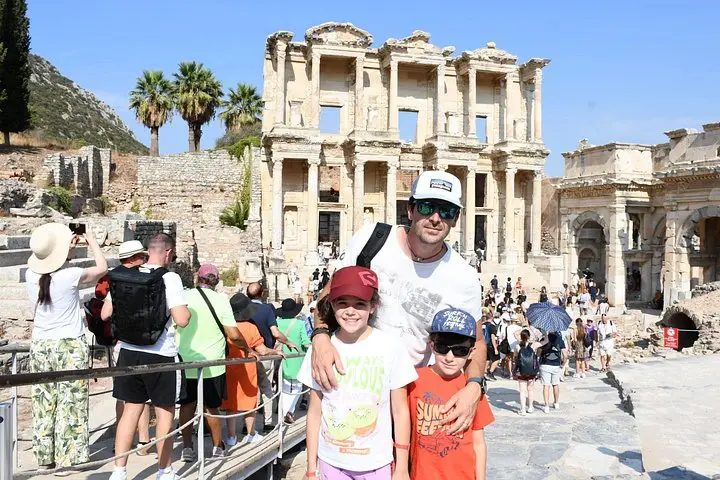
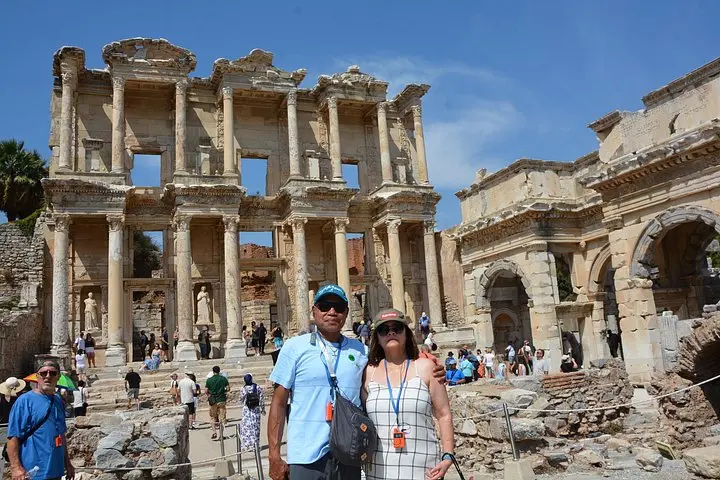
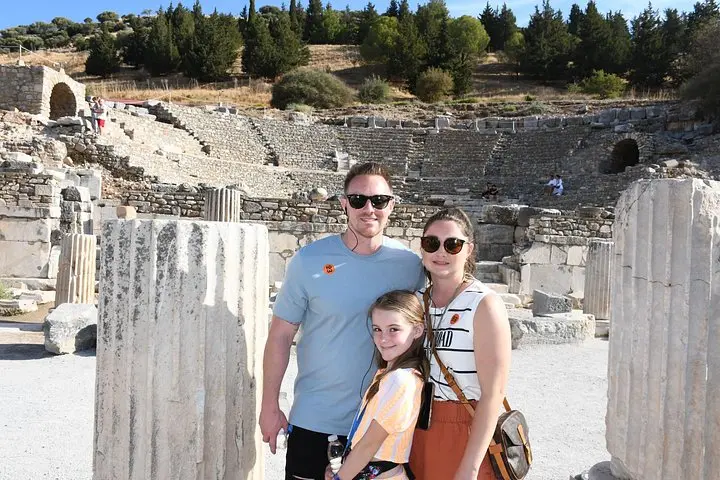
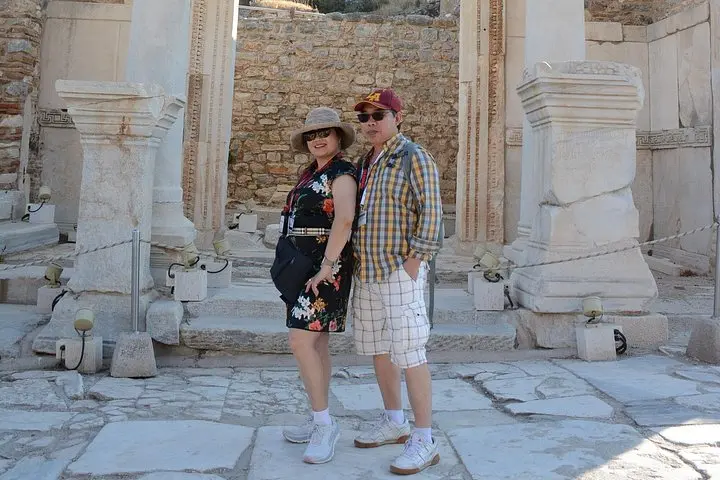
The sun arrives over the Aegean and the marble of Ephesus wakes in pale light. Disembarking at Kusadasi, a private vehicle threads inland through low olive groves until the road opens onto the sweep of ruins: colonnaded streets, a tiered theatre, and the Celsus façade, still keeping the hush of a city that once hosted senators and sailors alike.
The sun arrives over the Aegean and the marble of Ephesus wakes in pale light. Disembarking at Kusadasi, a private vehicle threads inland through low olive groves until the road opens onto the sweep of ruins: colonnaded streets, a tiered theatre, and the Celsus façade, still keeping the hush of a city that once hosted senators and sailors alike.
Ephesus grew from an Ionian coastal settlement into a Roman provincial capital, its prosperity written in marble, mosaics and the massive public works that define the site. Geology here matters—the soft Miocene sediments beneath the terraces have influenced how structures settled and why archaeologists focus on conservation. Cultural layers are visible in stone: Hellenistic marketplaces under Roman temples, Byzantine churches atop ancient foundations. Nearby landmarks—Isa Bey Mosque and the archaeological museum in Selçuk—extend the story beyond the gate.
Practical guidance shapes the day: tours typically last 4–6 hours door-to-door from Kusadasi cruise port, with roughly 2–3 hours on site. Expect uneven ancient paving, occasional steep steps and exposed sun. Wear sturdy shoes with good grip, carry a full water bottle, and plan for sun protection; summer heat can be intense. Tickets for the Terrace Houses and the House of the Virgin Mary are often paid on site—bring small cash or card. A licensed guide will move at your pace and can tailor stops: more archaeology, more sacred sites, or a brisk highlights loop that guarantees return to ship on schedule.
Ephesus rewards close attention: listen for the wind through ruined columns and the gulls over the harbor—history keeps its own rhythm here.