THE ADVENTURE COLLECTIVE® · Independent discovery and booking for outdoor travel

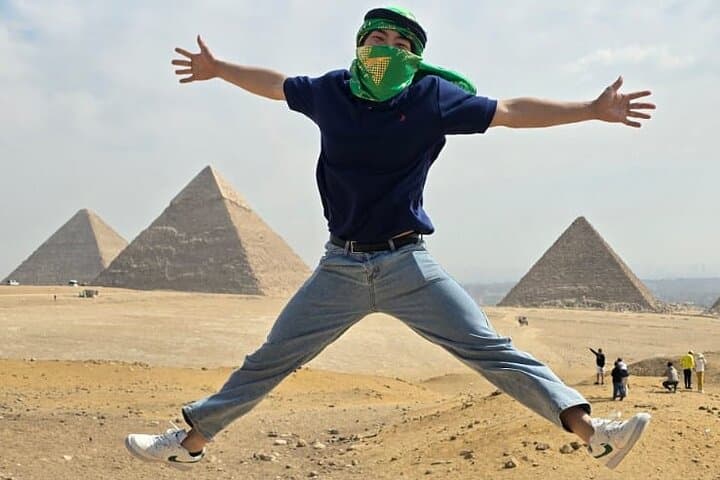
Stand before the Great Pyramid, slide into a saddle for a short camel ride, and photograph the Sphinx with an Egyptologist explaining the engineering and myths. This private four-hour tour blends close-up history with practical logistics—ideal for first-time visitors seeking a seamless Giza experience.
Stand before the Great Pyramid, slide into a saddle for a short camel ride, and photograph the Sphinx with an Egyptologist explaining the engineering and myths. This private four-hour tour blends close-up history with practical logistics—ideal for first-time visitors seeking a seamless Giza experience.
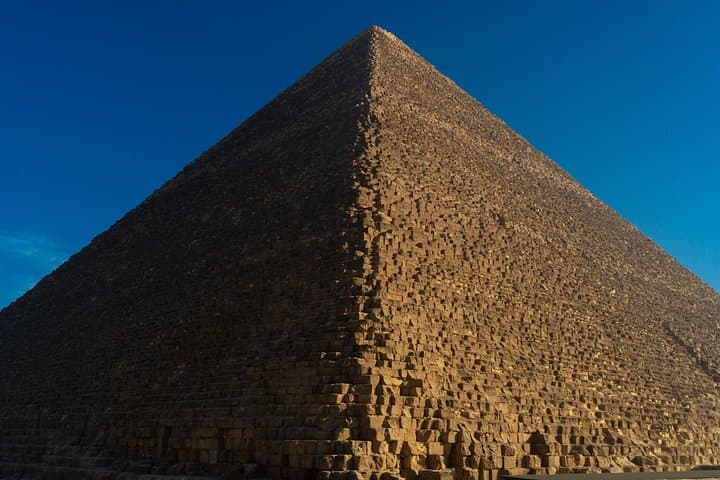
You arrive before the desert heat peaks: the plateau stretches out like worked stone beneath a high, pale sky and the Great Pyramid rises—immense and patient—against Cairo’s distant hum. A local Egyptologist meets you, maps of dynasties and engineering anecdotes already in hand; the scent of sun-warmed limestone and sweet coffee from a street stall frames the moment.
Verified experiences and guided adventures in the surrounding area.
Operated by Mr K · Giza, Giza Governorate
You arrive before the desert heat peaks: the plateau stretches out like worked stone beneath a high, pale sky and the Great Pyramid rises—immense and patient—against Cairo’s distant hum. A local Egyptologist meets you, maps of dynasties and engineering anecdotes already in hand; the scent of sun-warmed limestone and sweet coffee from a street stall frames the moment.
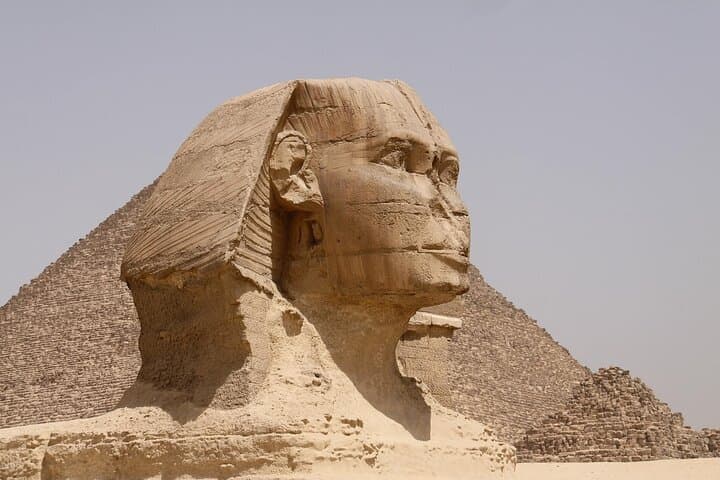
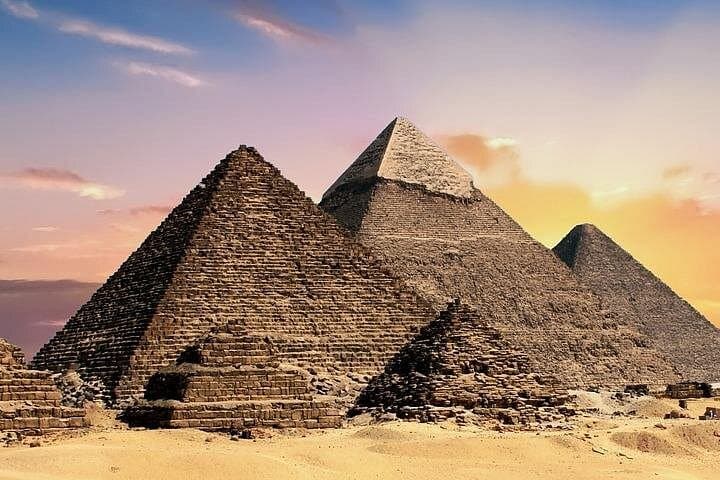
The site is ancient engineering and living history. The Khufu, Khafre and Menkaure pyramids record Old Kingdom ambition; the Sphinx, carved from a natural outcrop, holds layers of restoration, weathering and mythology. Geologically, the plateau’s calcarenite blocks reflect a fossil-rich limestone bed that builders quarried locally. Culturally, Giza remains a working landscape—craft vendors, papyrus ateliers, and nearby Bedouin camel handlers weave modern life into millennia-old stones.
Expect close-up photo opportunities, measured walking across compacted sand and flagstones, and the option of a 10–30 minute camel ride that adds a classic—if tourist-focused—perspective on scale. Lunch typically includes shaded seating and bottled water; transport runs in air-conditioned comfort between central Cairo hotels and the site.
Practical guidance: go early to avoid midday heat and tour buses; wear sturdy closed shoes for uneven stone and loose sand; bring sunscreen, a wide-brimmed hat and a refillable water bottle. Respect signage: climbing on monuments is prohibited. Finally, budget time for a short stop at a papyrus gallery if you want a quick primer on traditional materials—it's useful context before you leave the plateau.
Most private tours include standard site admission; access inside the pyramids can be restricted and may require a separate ticket—confirm with the operator before booking.
Options typically offer a 10- or 30-minute camel ride—depending on selection—on the plateau perimeter rather than long desert treks.
Yes; infants can travel in strollers and small children may participate, though they should remain supervised and sit on laps in vehicles if required.
Licensed Egyptologist guides commonly speak English and may offer other languages on request; check availability when booking.
Mr K operates guided outdoor trips and adventures with an emphasis on safety, stewardship, and memorable experiences.
You arrive before the desert heat peaks: the plateau stretches out like worked stone beneath a high, pale sky and the Great Pyramid rises—immense and patient—against Cairo’s distant hum. A local Egyptologist meets you, maps of dynasties and engineering anecdotes already in hand; the scent of sun-warmed limestone and sweet coffee from a street stall frames the moment.
You arrive before the desert heat peaks: the plateau stretches out like worked stone beneath a high, pale sky and the Great Pyramid rises—immense and patient—against Cairo’s distant hum. A local Egyptologist meets you, maps of dynasties and engineering anecdotes already in hand; the scent of sun-warmed limestone and sweet coffee from a street stall frames the moment.
The site is ancient engineering and living history. The Khufu, Khafre and Menkaure pyramids record Old Kingdom ambition; the Sphinx, carved from a natural outcrop, holds layers of restoration, weathering and mythology. Geologically, the plateau’s calcarenite blocks reflect a fossil-rich limestone bed that builders quarried locally. Culturally, Giza remains a working landscape—craft vendors, papyrus ateliers, and nearby Bedouin camel handlers weave modern life into millennia-old stones.
Expect close-up photo opportunities, measured walking across compacted sand and flagstones, and the option of a 10–30 minute camel ride that adds a classic—if tourist-focused—perspective on scale. Lunch typically includes shaded seating and bottled water; transport runs in air-conditioned comfort between central Cairo hotels and the site.
Practical guidance: go early to avoid midday heat and tour buses; wear sturdy closed shoes for uneven stone and loose sand; bring sunscreen, a wide-brimmed hat and a refillable water bottle. Respect signage: climbing on monuments is prohibited. Finally, budget time for a short stop at a papyrus gallery if you want a quick primer on traditional materials—it's useful context before you leave the plateau.