THE ADVENTURE COLLECTIVE® · Independent discovery and booking for outdoor travel

Walk Lyon’s layers of history on a private two-hour tour that moves from the Opera House to Vieux Lyon’s Renaissance alleys. Expect tailored storytelling, photo stops, and local tips on food and hidden courtyards.
Walk Lyon’s layers of history on a private two-hour tour that moves from the Opera House to Vieux Lyon’s Renaissance alleys. Expect tailored storytelling, photo stops, and local tips on food and hidden courtyards.
A morning sun lifts off the roofs of Lyon and the Saône glints like a moving ribbon — your guide waits at Place de la Comédie with an orange flag, ready to steer you through centuries of stone and story. The walk moves from grand squares past the Opera to narrow Renaissance alleys where light carves patterns across ancient façades.
Verified experiences and guided adventures in the surrounding area.
Operated by Viva Brussels · Lyon, Auvergne-Rhône-Alpes
A morning sun lifts off the roofs of Lyon and the Saône glints like a moving ribbon — your guide waits at Place de la Comédie with an orange flag, ready to steer you through centuries of stone and story. The walk moves from grand squares past the Opera to narrow Renaissance alleys where light carves patterns across ancient façades.
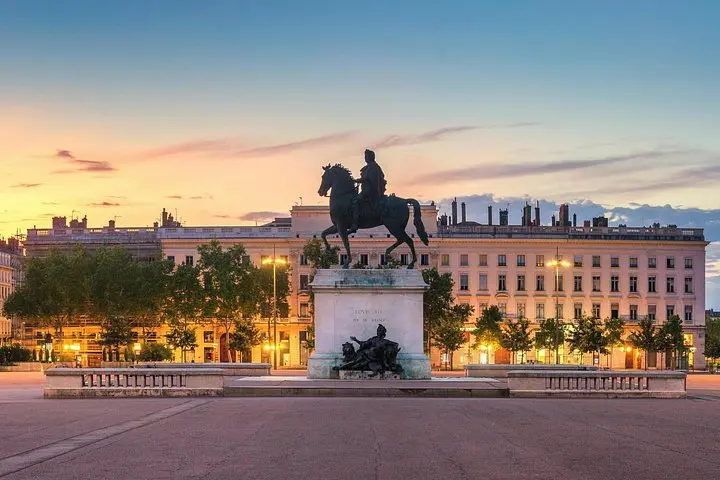
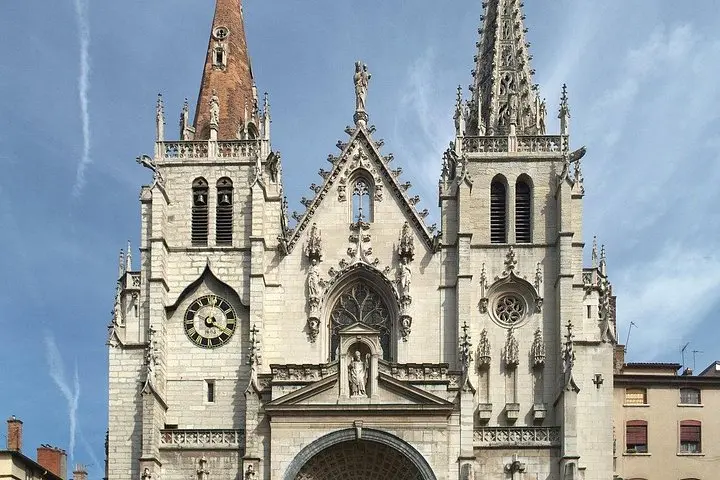
Lyon began as Roman Lugdunum and grew wealthy on silk and trade; those layers of history are visible in the Roman vestiges on Fourvière, the Gothic lines of Saint-Nizier, and the ornate houses of Vieux Lyon. Geology shapes the stroll too: Fourvière’s limestone uplifts offer viewpoints, while the Saône and Rhône have long dictated trade, transport, and the city’s layout.
Culture here is tactile — the traboules (covered passageways) that once sheltered silk-workers still surprise, and bouchons serve food that’s honest and regional. Local insight: a private guide can pause where crowds thin, point out carved details, and suggest a lesser-known courtyard or viewpoint for photos.
Practical side: this is an easy, two-hour walking tour on mostly paved streets and cobbled alleys; comfortable shoes and layered clothes make the difference. Start early in summer to avoid heat, and plan to use public transit or taxis to arrive and depart — Place de la Comédie is well connected. The tour is wheelchair- and stroller-accessible on main routes but will skip some narrow traboules. Bring a small water bottle, wear sun protection in summer, and leave room to taste a pastry or ask your guide for a local bouchon recommendation.
The meeting point is Place de la Comédie; the guide will hold an orange flag or umbrella so you can spot them easily.
Main parts of the route are wheelchair- and stroller-accessible, but a few narrow traboules and steep alleys may be skipped — notify your booking if accessibility needs are critical.
Yes — this private tour is designed to be flexible; tell your guide your interests (history, food, architecture) and they will tailor stops accordingly.
For a full refund cancel at least 24 hours before the scheduled departure time; same-day cancellations are not refundable per the provider's policy.
Viva Brussels operates guided outdoor trips and adventures with an emphasis on safety, stewardship, and memorable experiences.
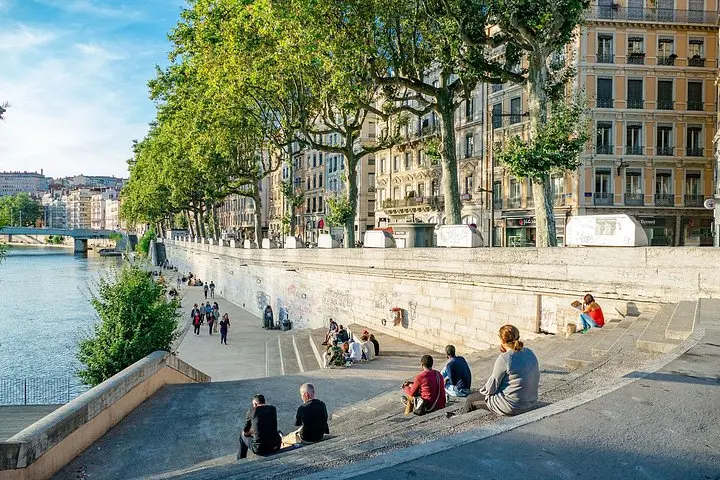
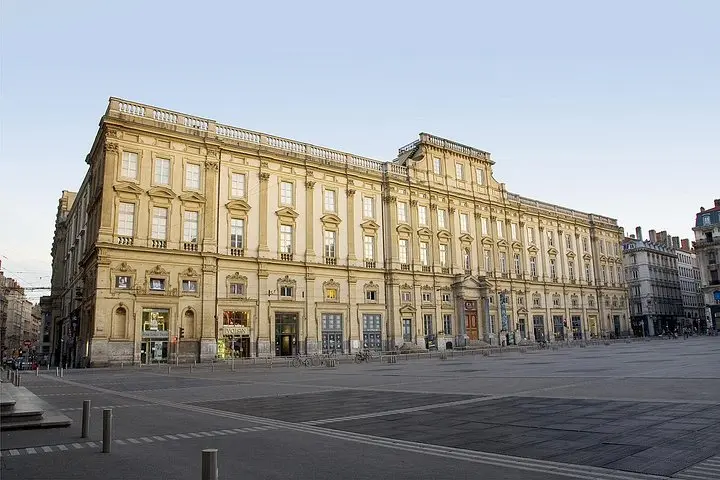
A morning sun lifts off the roofs of Lyon and the Saône glints like a moving ribbon — your guide waits at Place de la Comédie with an orange flag, ready to steer you through centuries of stone and story. The walk moves from grand squares past the Opera to narrow Renaissance alleys where light carves patterns across ancient façades.
A morning sun lifts off the roofs of Lyon and the Saône glints like a moving ribbon — your guide waits at Place de la Comédie with an orange flag, ready to steer you through centuries of stone and story. The walk moves from grand squares past the Opera to narrow Renaissance alleys where light carves patterns across ancient façades.
Lyon began as Roman Lugdunum and grew wealthy on silk and trade; those layers of history are visible in the Roman vestiges on Fourvière, the Gothic lines of Saint-Nizier, and the ornate houses of Vieux Lyon. Geology shapes the stroll too: Fourvière’s limestone uplifts offer viewpoints, while the Saône and Rhône have long dictated trade, transport, and the city’s layout.
Culture here is tactile — the traboules (covered passageways) that once sheltered silk-workers still surprise, and bouchons serve food that’s honest and regional. Local insight: a private guide can pause where crowds thin, point out carved details, and suggest a lesser-known courtyard or viewpoint for photos.
Practical side: this is an easy, two-hour walking tour on mostly paved streets and cobbled alleys; comfortable shoes and layered clothes make the difference. Start early in summer to avoid heat, and plan to use public transit or taxis to arrive and depart — Place de la Comédie is well connected. The tour is wheelchair- and stroller-accessible on main routes but will skip some narrow traboules. Bring a small water bottle, wear sun protection in summer, and leave room to taste a pastry or ask your guide for a local bouchon recommendation.