THE ADVENTURE COLLECTIVE® · Independent discovery and booking for outdoor travel

A private, five-day circuit from Cusco that pairs cultural landmarks with high-Andean hikes—Machu Picchu, the Sacred Valley, Humantay Lagoon and Vinicunca. Expect early starts, altitude, and a mix of train transfers and mountain walking.
A private, five-day circuit from Cusco that pairs cultural landmarks with high-Andean hikes—Machu Picchu, the Sacred Valley, Humantay Lagoon and Vinicunca. Expect early starts, altitude, and a mix of train transfers and mountain walking.
You step off the bus in Cusco as highland air pinches the lungs and sunlight hits sandstone façades—this is the launch point of a five-day, private circuit that moves from colonial plazas through terraced Inca farms to the stone precision of Machu Picchu.
Verified experiences and guided adventures in the surrounding area.
Operated by Chaska Travel Peru · Cusco, Cusco
You step off the bus in Cusco as highland air pinches the lungs and sunlight hits sandstone façades—this is the launch point of a five-day, private circuit that moves from colonial plazas through terraced Inca farms to the stone precision of Machu Picchu.
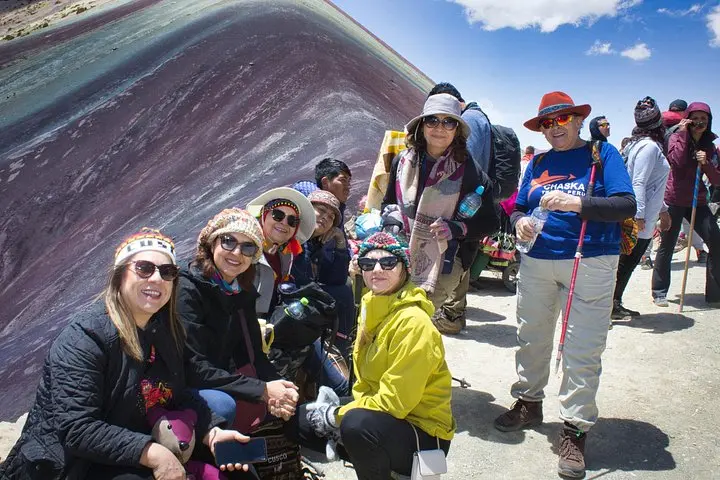
The itinerary threads history and geology: Cusco’s cathedral and Qoricancha sit on reused Inca foundations; nearby Sacsayhuamán speaks in oversized blocks hewn to fit without mortar. The Sacred Valley opens into irrigated terraces and the concentric agricultural amphitheaters of Moray, while the salt pans of Maras reveal pre-Columbian extraction still in use. Humantay Lagoon is a glacial lake carved into uplifted Andean bedrock; Vinicunca’s bands of iron, copper and other minerals are exposed by erosion and glacial retreat, producing the mountain’s striking stripes.
Culturally, expect Quechua-speaking communities, traditional weaving in Chinchero and local market stalls in Ollantaytambo. Guides link archaeological context with living practices: terraces are both engineering and food system.
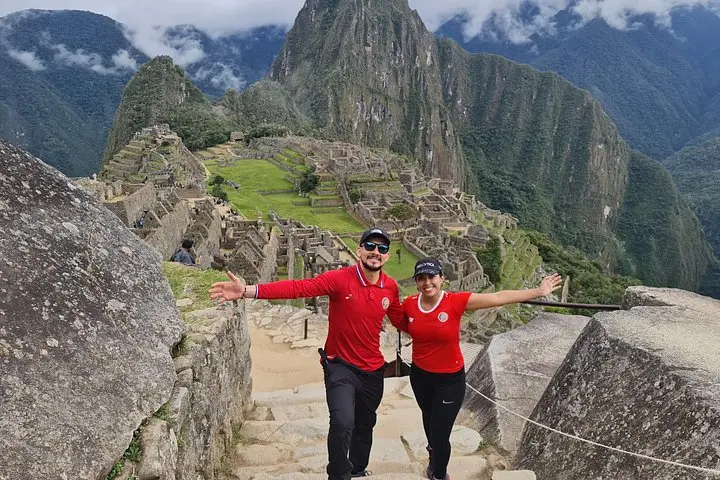
Practical notes: acclimatize in Cusco for 24–48 hours, carry water and layers, and be ready for early starts—the Vinicunca and Humantay walks begin before dawn. The trip mixes easy town walks, moderate high-altitude hikes (1–2 hours uphill to Humantay; 1.5–2 hours to Vinicunca) and a guided Machu Picchu visit accessed by train and bus. Comfortable, broken-in hiking boots, sun protection and a light rain shell will cover most conditions. Expect narrow stone stairways at Machu Picchu and uneven mountain trails; the tour provides a professional guide, walking sticks and oxygen if needed. Travel light, move slowly uphill, and leave room in your schedule to feel the altitude and the scale of the Andes.
Yes—plan 24–48 hours in Cusco with light activity to help prevent altitude sickness; the tour recommends moderate fitness.
The private tour includes Machu Picchu entrance, tourist train to Aguas Calientes, some meals, local transfers and a professional guide; check your booking confirmation for specifics.
Both are short but steep at high altitude—expect 1.5–2 hours of uphill walking on uneven trails; pacing and breaks are important.
A small daypack, water, rain shell, hat, camera and comfortable shoes; larger luggage stays in Cusco or your hotel in Aguas Calientes as per train rules.
Chaska Travel Peru operates guided outdoor trips and adventures with an emphasis on safety, stewardship, and memorable experiences.
You step off the bus in Cusco as highland air pinches the lungs and sunlight hits sandstone façades—this is the launch point of a five-day, private circuit that moves from colonial plazas through terraced Inca farms to the stone precision of Machu Picchu.
You step off the bus in Cusco as highland air pinches the lungs and sunlight hits sandstone façades—this is the launch point of a five-day, private circuit that moves from colonial plazas through terraced Inca farms to the stone precision of Machu Picchu.
The itinerary threads history and geology: Cusco’s cathedral and Qoricancha sit on reused Inca foundations; nearby Sacsayhuamán speaks in oversized blocks hewn to fit without mortar. The Sacred Valley opens into irrigated terraces and the concentric agricultural amphitheaters of Moray, while the salt pans of Maras reveal pre-Columbian extraction still in use. Humantay Lagoon is a glacial lake carved into uplifted Andean bedrock; Vinicunca’s bands of iron, copper and other minerals are exposed by erosion and glacial retreat, producing the mountain’s striking stripes.
Culturally, expect Quechua-speaking communities, traditional weaving in Chinchero and local market stalls in Ollantaytambo. Guides link archaeological context with living practices: terraces are both engineering and food system.
Practical notes: acclimatize in Cusco for 24–48 hours, carry water and layers, and be ready for early starts—the Vinicunca and Humantay walks begin before dawn. The trip mixes easy town walks, moderate high-altitude hikes (1–2 hours uphill to Humantay; 1.5–2 hours to Vinicunca) and a guided Machu Picchu visit accessed by train and bus. Comfortable, broken-in hiking boots, sun protection and a light rain shell will cover most conditions. Expect narrow stone stairways at Machu Picchu and uneven mountain trails; the tour provides a professional guide, walking sticks and oxygen if needed. Travel light, move slowly uphill, and leave room in your schedule to feel the altitude and the scale of the Andes.