THE ADVENTURE COLLECTIVE® · Independent discovery and booking for outdoor travel

Descend from Andes peaks into warm cloud forest, sleep in a glass capsule hotel, soak in jungle hot springs, then ride the train to Machu Picchu. This private 2-day route mixes adrenaline, culture, and the classic Inca citadel.
Descend from Andes peaks into warm cloud forest, sleep in a glass capsule hotel, soak in jungle hot springs, then ride the train to Machu Picchu. This private 2-day route mixes adrenaline, culture, and the classic Inca citadel.
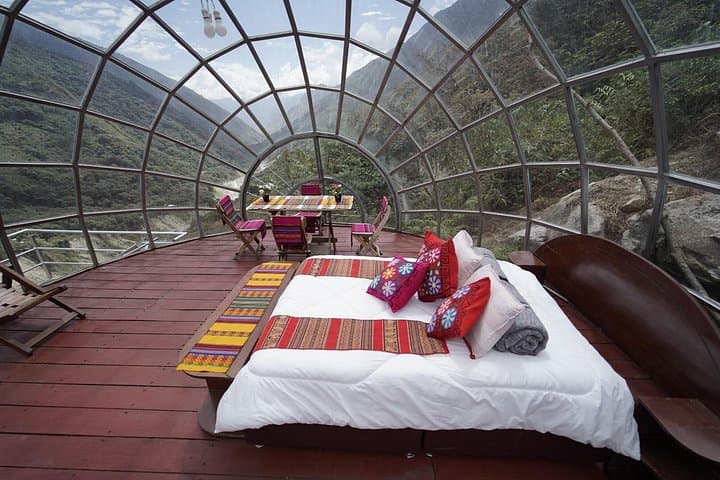
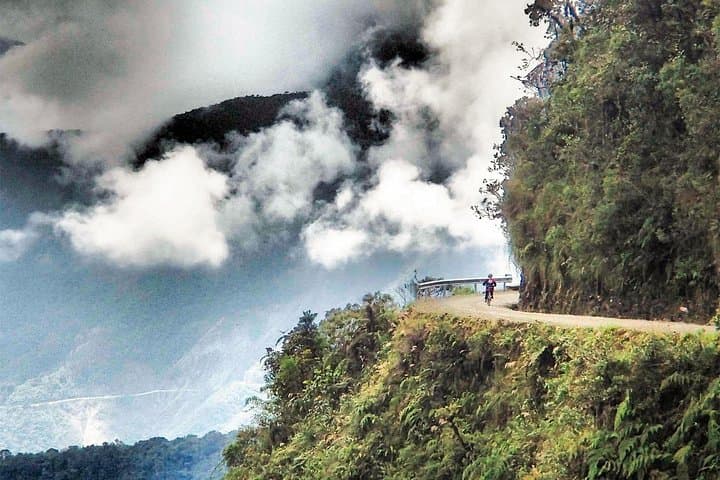
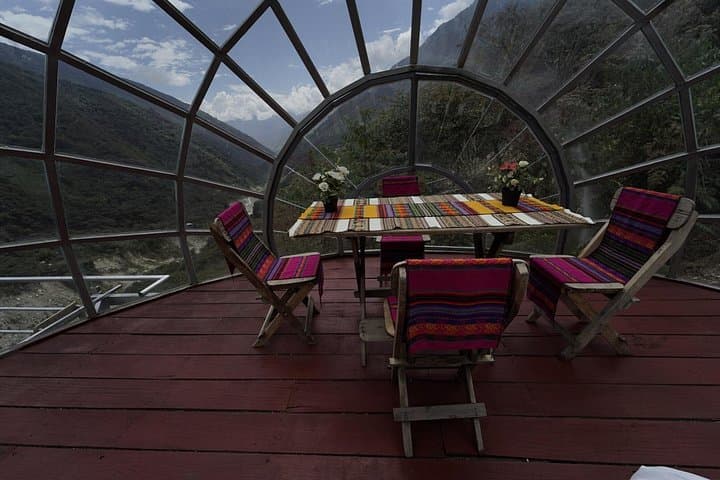
A cold dawn over Cusco gives way to winding mountain roads as a private vehicle threads down from high puna to humid cloud forest. By midmorning the air feels heavier, orchids and tree-ferns press close, and the Vilcanota’s tributaries dare you to look away as they rush through narrow gorges. The first day moves from high-altitude panoramas at Abra Málaga (above 4,000 m) into Santa Teresa’s warm, jungle-side microclimate, where glass capsule domes hang above river terraces and thermal springs steam into the canopy.
Verified experiences and guided adventures in the surrounding area.
Operated by Inca Jungle en Capsulas · Aguas Calientes, Cusco
A cold dawn over Cusco gives way to winding mountain roads as a private vehicle threads down from high puna to humid cloud forest. By midmorning the air feels heavier, orchids and tree-ferns press close, and the Vilcanota’s tributaries dare you to look away as they rush through narrow gorges. The first day moves from high-altitude panoramas at Abra Málaga (above 4,000 m) into Santa Teresa’s warm, jungle-side microclimate, where glass capsule domes hang above river terraces and thermal springs steam into the canopy.
The second day pivots to the Inca world: a train ride from Hidroeléctrica to Aguas Calientes and a guided visit to Machu Picchu, the 15th-century citadel perched at about 2,430 m. Geology here is raw—granite ridges carved by millennia of river action and uplifted by Andean tectonics—while culture layers the route with Quechua coffee farms, local agrarian traditions, and modern conservation rules that limit visitor flow. Expect narrow mountain roads, short jungle walks, and settlements that blend farming with eco-tourism.
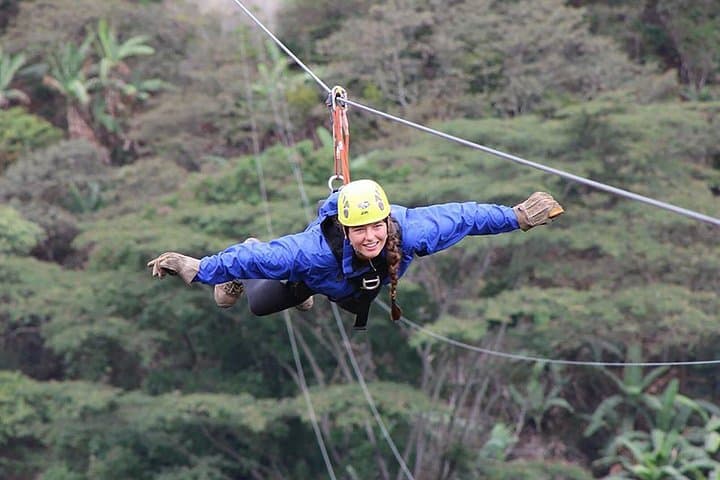
Practical guidance: plan for steep stone staircases at Machu Picchu, bring layers for a 1,500–4,000 m swing, and allow time for acclimatization if arriving from low elevations. Book early train and entrance slots to avoid crowds; mornings deliver cleaner light and cooler temperatures. Footwear with good grip, hydration, and insect protection make jungle stretches more comfortable. The itinerary pairs adrenaline (zipline, canopy) with restorative hot springs and an overnight that’s equal parts novelty and quiet mountain exposure.
Yes—Cusco is high (≈3,400 m). Allow 24–48 hours to acclimatize, stay hydrated, avoid heavy exertion on day one, and consult a doctor if you have severe cardiorespiratory conditions.
Glass capsule domes provide basic but unique accommodation with views and thermal access; expect shared facilities and simple amenities rather than full-service hotels.
A private transfer heads to Hidroeléctrica, then a short train to Aguas Calientes followed by the official bus or an uphill walk to Machu Picchu—times vary but the itinerary schedules these segments on day two.
This private tour lists lunch, dinner, breakfast, and Machu Picchu entrance in the inclusions; confirm dietary needs at booking and carry snacks for between transfers.
Inca Jungle en Capsulas operates guided outdoor trips and adventures with an emphasis on safety, stewardship, and memorable experiences.
A cold dawn over Cusco gives way to winding mountain roads as a private vehicle threads down from high puna to humid cloud forest. By midmorning the air feels heavier, orchids and tree-ferns press close, and the Vilcanota’s tributaries dare you to look away as they rush through narrow gorges. The first day moves from high-altitude panoramas at Abra Málaga (above 4,000 m) into Santa Teresa’s warm, jungle-side microclimate, where glass capsule domes hang above river terraces and thermal springs steam into the canopy.
A cold dawn over Cusco gives way to winding mountain roads as a private vehicle threads down from high puna to humid cloud forest. By midmorning the air feels heavier, orchids and tree-ferns press close, and the Vilcanota’s tributaries dare you to look away as they rush through narrow gorges. The first day moves from high-altitude panoramas at Abra Málaga (above 4,000 m) into Santa Teresa’s warm, jungle-side microclimate, where glass capsule domes hang above river terraces and thermal springs steam into the canopy.
The second day pivots to the Inca world: a train ride from Hidroeléctrica to Aguas Calientes and a guided visit to Machu Picchu, the 15th-century citadel perched at about 2,430 m. Geology here is raw—granite ridges carved by millennia of river action and uplifted by Andean tectonics—while culture layers the route with Quechua coffee farms, local agrarian traditions, and modern conservation rules that limit visitor flow. Expect narrow mountain roads, short jungle walks, and settlements that blend farming with eco-tourism.
Practical guidance: plan for steep stone staircases at Machu Picchu, bring layers for a 1,500–4,000 m swing, and allow time for acclimatization if arriving from low elevations. Book early train and entrance slots to avoid crowds; mornings deliver cleaner light and cooler temperatures. Footwear with good grip, hydration, and insect protection make jungle stretches more comfortable. The itinerary pairs adrenaline (zipline, canopy) with restorative hot springs and an overnight that’s equal parts novelty and quiet mountain exposure.