THE ADVENTURE COLLECTIVE® · Independent discovery and booking for outdoor travel

Explore Managua on a private 3-hour tour that moves from lively markets to seismic-era cathedrals and waterfront art. Expect bilingual guides, short walks, and concentrated cultural history—ideal for travelers seeking context and convenience.
Explore Managua on a private 3-hour tour that moves from lively markets to seismic-era cathedrals and waterfront art. Expect bilingual guides, short walks, and concentrated cultural history—ideal for travelers seeking context and convenience.
You step off the air-conditioned vehicle into the pulse of Managua: vendors call from shaded stalls, the spice-sweet steam of street food rises, and the city’s layered past presses close. The tour opens at Roberto Huembes Market, where local artisans display woven goods and pottery—textures and colors that speak to regional craft traditions.
Verified experiences and guided adventures in the surrounding area.
Operated by NicaParadiseTours · Managua, Managua
You step off the air-conditioned vehicle into the pulse of Managua: vendors call from shaded stalls, the spice-sweet steam of street food rises, and the city’s layered past presses close. The tour opens at Roberto Huembes Market, where local artisans display woven goods and pottery—textures and colors that speak to regional craft traditions.
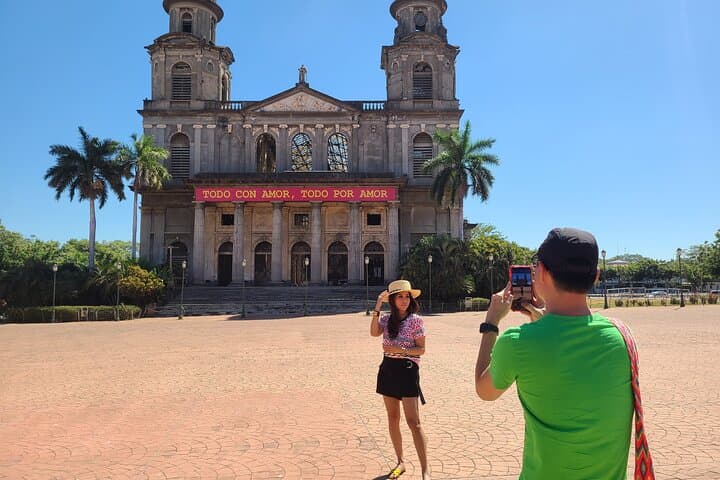
Managua sits on lake plains scarred by earthquakes and shaped by volcanic soils. The itinerary threads New Cathedral’s modern form and the ruinous grace of the Old Cathedral, each site marking chapters of seismic upheaval and civic rebirth. Tiscapa Hill provides both context and a view—its slopes remember revolutionary histories and offer a sweeping outlook over the Tiscapa Lagoon and the city’s rebuilt grid.
A stop along Xolotlán Avenue reveals a scale model of pre-earthquake Managua; it’s a concise lesson in urban change. The tour closes at Puerto Salvador Allende, where the “Trees of Life” sculptures stand beside the water, bringing color and public life to the shore.
Expect a steady, mostly flat three-hour walk-and-ride rhythm with short on-foot segments of 20–30 minutes at each stop. Bring sun protection, a refillable water bottle, and comfortable shoes for uneven sidewalks. Guides are bilingual and typically provide historical context, market navigation tips, and safe transport between points.
Timing matters: mornings are cooler and markets are livelier; afternoons warm quickly. Photography opportunities are constant but respect religious sites and vendors; bargaining is part of the market culture. This compact, private tour blends civic history, cultural exchange, and approachable urban exploration—ideal for travelers who want context alongside convenience.
Private tours typically offer pickup; confirm your pickup point and any extra transfer charges during booking.
The itinerary lists admissions included for several stops—ask the operator to confirm any optional museum fees or additional site charges.
Yes; infants must sit on an adult’s lap per operator policy. The pace is family-friendly with vehicle transport between sites.
Private tours often allow minor adjustments (longer market time, extra photo stops); request changes when booking but expect time limits with a 3-hour duration.
NicaParadiseTours operates guided outdoor trips and adventures with an emphasis on safety, stewardship, and memorable experiences.


You step off the air-conditioned vehicle into the pulse of Managua: vendors call from shaded stalls, the spice-sweet steam of street food rises, and the city’s layered past presses close. The tour opens at Roberto Huembes Market, where local artisans display woven goods and pottery—textures and colors that speak to regional craft traditions.
You step off the air-conditioned vehicle into the pulse of Managua: vendors call from shaded stalls, the spice-sweet steam of street food rises, and the city’s layered past presses close. The tour opens at Roberto Huembes Market, where local artisans display woven goods and pottery—textures and colors that speak to regional craft traditions.
Managua sits on lake plains scarred by earthquakes and shaped by volcanic soils. The itinerary threads New Cathedral’s modern form and the ruinous grace of the Old Cathedral, each site marking chapters of seismic upheaval and civic rebirth. Tiscapa Hill provides both context and a view—its slopes remember revolutionary histories and offer a sweeping outlook over the Tiscapa Lagoon and the city’s rebuilt grid.
A stop along Xolotlán Avenue reveals a scale model of pre-earthquake Managua; it’s a concise lesson in urban change. The tour closes at Puerto Salvador Allende, where the “Trees of Life” sculptures stand beside the water, bringing color and public life to the shore.
Expect a steady, mostly flat three-hour walk-and-ride rhythm with short on-foot segments of 20–30 minutes at each stop. Bring sun protection, a refillable water bottle, and comfortable shoes for uneven sidewalks. Guides are bilingual and typically provide historical context, market navigation tips, and safe transport between points.
Timing matters: mornings are cooler and markets are livelier; afternoons warm quickly. Photography opportunities are constant but respect religious sites and vendors; bargaining is part of the market culture. This compact, private tour blends civic history, cultural exchange, and approachable urban exploration—ideal for travelers who want context alongside convenience.