THE ADVENTURE COLLECTIVE® · Independent discovery and booking for outdoor travel

Explore Manchester on a private two-hour walking tour that connects Victorian mills, Gothic libraries, and football culture with contemporary urban life. A local guide leads you through Piccadilly, Chinatown, Town Hall and hidden streets while explaining the city’s industrial and cultural evolution.
Explore Manchester on a private two-hour walking tour that connects Victorian mills, Gothic libraries, and football culture with contemporary urban life. A local guide leads you through Piccadilly, Chinatown, Town Hall and hidden streets while explaining the city’s industrial and cultural evolution.
You step out from a tram stop into a square where Victorian stone meets post-industrial glass: Piccadilly Gardens hums, buskers tune up, and the city’s past pushes at the edges of the present.
Verified experiences and guided adventures in the surrounding area.
Operated by Global Guide Services · Manchester, Greater Manchester
You step out from a tram stop into a square where Victorian stone meets post-industrial glass: Piccadilly Gardens hums, buskers tune up, and the city’s past pushes at the edges of the present.
A private walking tour through Manchester threads these contrasts together — red-brick cotton mills retooled for creative studios, the Gothic clocktower of Town Hall watching new developments, and the narrow backstreets that once drained into the canals and coal pits that powered the Industrial Revolution. Your guide will point out John Rylands Library’s medieval-facing façade, the carved stonework of St Ann’s Church, and the compact drama of Chinatown’s gates.
Geology and industry play roles here: Manchester’s growth was tied to nearby coal measures and transport corridors — canals and railways that still lay patterns on the city map. Culturally, the city wears its music and football loyally: terraces and record shops are as much part of the story as textile trade and reform movements.
Practical guidance is straightforward. Expect two hours on mostly paved streets with intermittent steps and stone floors indoors. Wear comfortable shoes for uneven flagstones and bring layered clothing; Manchester weather shifts quickly. Morning tours avoid the busiest shopping hours and give clearer photo light on façades. The tour is wheelchair- and stroller-accessible in many areas, but cobbled alleys can be restrictive — check specifics with your guide when booking.
This walk is best for curious travelers who want context as well as sights: history, architecture, and the modern pulse of a city still shaping Britain’s cultural map.
The private tour runs approximately two hours, covering central Manchester sights at a relaxed walking pace.
The tour is advertised as wheelchair accessible, though some narrow lanes and historic interiors may require alternate routing—confirm specifics with the operator before arrival.
Tours are conducted in English by a professional local guide; request language options at booking if needed.
Meeting is typically arranged in central Manchester (commonly near Piccadilly or a centrally agreed spot); exact meeting point is provided upon booking confirmation.
Global Guide Services operates guided outdoor trips and adventures with an emphasis on safety, stewardship, and memorable experiences.
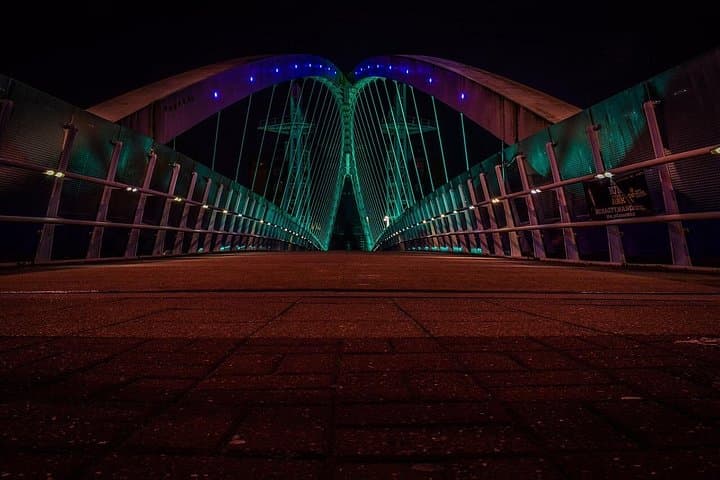


You step out from a tram stop into a square where Victorian stone meets post-industrial glass: Piccadilly Gardens hums, buskers tune up, and the city’s past pushes at the edges of the present.
You step out from a tram stop into a square where Victorian stone meets post-industrial glass: Piccadilly Gardens hums, buskers tune up, and the city’s past pushes at the edges of the present.
A private walking tour through Manchester threads these contrasts together — red-brick cotton mills retooled for creative studios, the Gothic clocktower of Town Hall watching new developments, and the narrow backstreets that once drained into the canals and coal pits that powered the Industrial Revolution. Your guide will point out John Rylands Library’s medieval-facing façade, the carved stonework of St Ann’s Church, and the compact drama of Chinatown’s gates.
Geology and industry play roles here: Manchester’s growth was tied to nearby coal measures and transport corridors — canals and railways that still lay patterns on the city map. Culturally, the city wears its music and football loyally: terraces and record shops are as much part of the story as textile trade and reform movements.
Practical guidance is straightforward. Expect two hours on mostly paved streets with intermittent steps and stone floors indoors. Wear comfortable shoes for uneven flagstones and bring layered clothing; Manchester weather shifts quickly. Morning tours avoid the busiest shopping hours and give clearer photo light on façades. The tour is wheelchair- and stroller-accessible in many areas, but cobbled alleys can be restrictive — check specifics with your guide when booking.
This walk is best for curious travelers who want context as well as sights: history, architecture, and the modern pulse of a city still shaping Britain’s cultural map.