THE ADVENTURE COLLECTIVE® · Independent discovery and booking for outdoor travel

Glide silently through Marino Las Baulas’ mangrove channels on a private canoe safari. Learn about the park’s ecology and spot howler monkeys, iguanas and migratory birds on a guided 3–5 hour tour.
Glide silently through Marino Las Baulas’ mangrove channels on a private canoe safari. Learn about the park’s ecology and spot howler monkeys, iguanas and migratory birds on a guided 3–5 hour tour.
You push off in near-dark calm, the canoe slipping into a channel where the mangrove roots lace the water like the fingers of the shore. Morning light filters through prop roots; kingfishers flash silver and howler monkeys answer from high branches, their calls rolling across the estuary. For three hours this private safari trades engine noise for paddles and patient listening.
Verified experiences and guided adventures in the surrounding area.
Operated by Guanadreamscr · Playa Grande, Guanacaste
You push off in near-dark calm, the canoe slipping into a channel where the mangrove roots lace the water like the fingers of the shore. Morning light filters through prop roots; kingfishers flash silver and howler monkeys answer from high branches, their calls rolling across the estuary. For three hours this private safari trades engine noise for paddles and patient listening.
Marino Las Baulas National Park was established to protect leatherback nesting beaches, but its mangrove estuaries are equally vital—sediment traps and nurseries carved by volcanic soils and Pacific tides. Geologically young sands and coarse sediment create shallow, maze-like channels that shift with the season. Local guides combine naturalist training with generational knowledge of tides, bird migration and monkey movements.
Expect a close-up of iguanas basking on roots, wading birds threading the shallows, and, with luck, howler monkeys seen on a short hike off the water. Guides emphasize low impact—quiet approaches, no feeding, and limited group sizes to reduce disturbance.
Practical notes: tours run 3–5 hours and require basic mobility for a short shoreline hike; maximum three people per canoe but operators can run multiple canoes for private groups. Wear quick-drying layers, bring sun protection, and a refillable water bottle. Morning light and low tide sharpen wildlife viewing; midday heat concentrates activity under shade. If you want crisp photos, keep movement slow and avoid sudden shadows on the water. This outing balances gentle paddling with attentive wildlife watching—an intimate way to read the rhythms of Costa Rica’s mangrove coast.
Yes; infants are permitted but must be accompanied by an adult—specialized infant seats are available and operators limit canoe occupancy to maintain safety.
No—guides provide basic instruction and the paddling is steady; basic mobility is helpful for boarding and a short shore hike.
Guides know local territories and the tour includes a short hike to likely spots, so sightings are common but not guaranteed—wildlife remains unpredictable.
You can receive a full refund if you cancel at least 24 hours before the scheduled departure; check your booking for specifics.
Guanadreamscr operates guided outdoor trips and adventures with an emphasis on safety, stewardship, and memorable experiences.
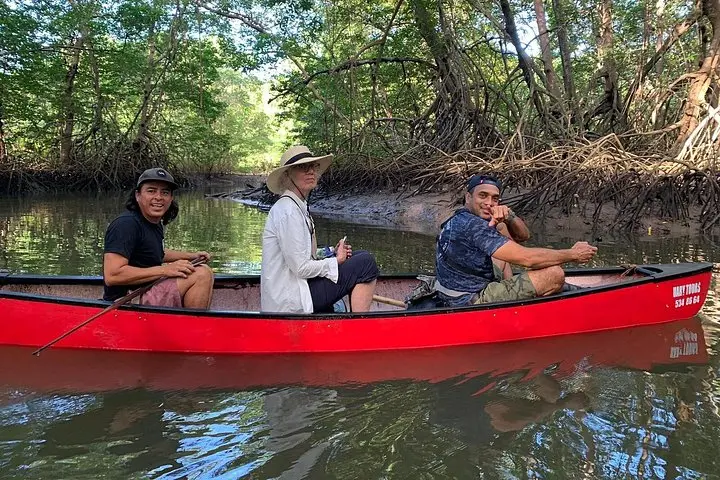
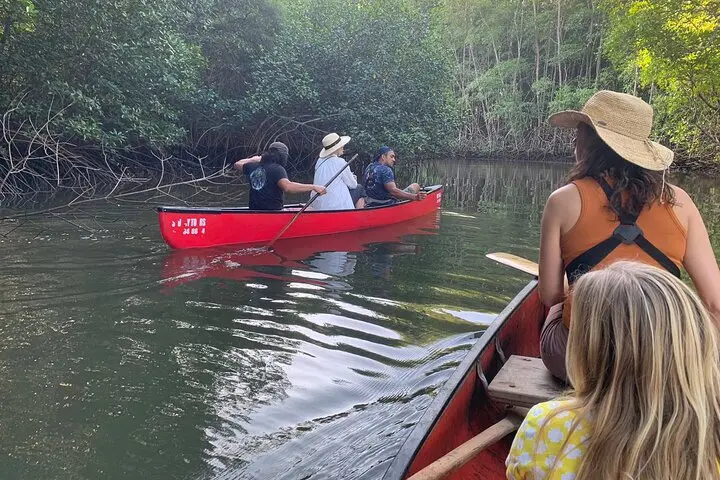
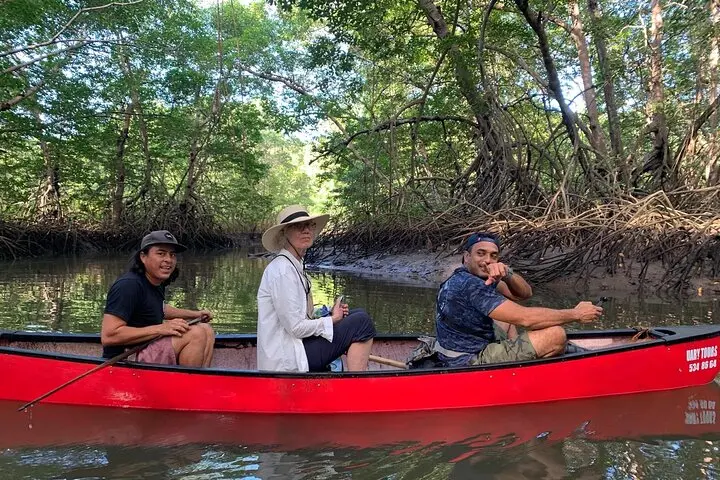
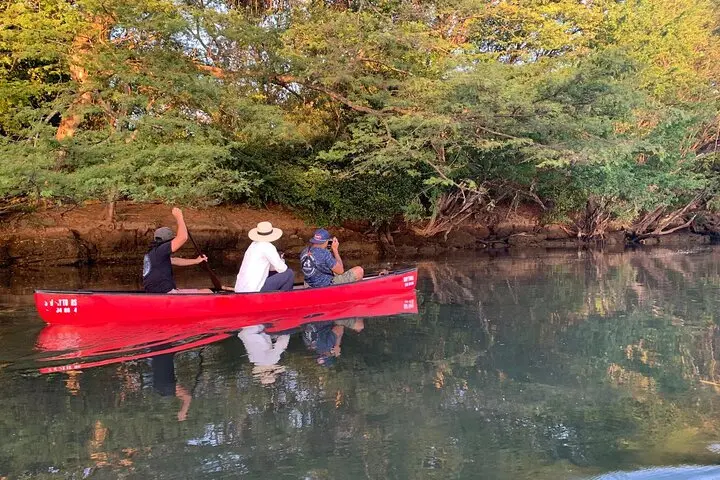
You push off in near-dark calm, the canoe slipping into a channel where the mangrove roots lace the water like the fingers of the shore. Morning light filters through prop roots; kingfishers flash silver and howler monkeys answer from high branches, their calls rolling across the estuary. For three hours this private safari trades engine noise for paddles and patient listening.
You push off in near-dark calm, the canoe slipping into a channel where the mangrove roots lace the water like the fingers of the shore. Morning light filters through prop roots; kingfishers flash silver and howler monkeys answer from high branches, their calls rolling across the estuary. For three hours this private safari trades engine noise for paddles and patient listening.
Marino Las Baulas National Park was established to protect leatherback nesting beaches, but its mangrove estuaries are equally vital—sediment traps and nurseries carved by volcanic soils and Pacific tides. Geologically young sands and coarse sediment create shallow, maze-like channels that shift with the season. Local guides combine naturalist training with generational knowledge of tides, bird migration and monkey movements.
Expect a close-up of iguanas basking on roots, wading birds threading the shallows, and, with luck, howler monkeys seen on a short hike off the water. Guides emphasize low impact—quiet approaches, no feeding, and limited group sizes to reduce disturbance.
Practical notes: tours run 3–5 hours and require basic mobility for a short shoreline hike; maximum three people per canoe but operators can run multiple canoes for private groups. Wear quick-drying layers, bring sun protection, and a refillable water bottle. Morning light and low tide sharpen wildlife viewing; midday heat concentrates activity under shade. If you want crisp photos, keep movement slow and avoid sudden shadows on the water. This outing balances gentle paddling with attentive wildlife watching—an intimate way to read the rhythms of Costa Rica’s mangrove coast.