THE ADVENTURE COLLECTIVE® · Independent discovery and booking for outdoor travel

Walk through a coastal rainforest with a private naturalist who spots monkeys, sloths and secret coves—then end your tour at one of Manuel Antonio’s beach coves. This private guided walk is flexible, wildlife-rich and ideal for travelers who want an experienced eye on the forest.
Walk through a coastal rainforest with a private naturalist who spots monkeys, sloths and secret coves—then end your tour at one of Manuel Antonio’s beach coves. This private guided walk is flexible, wildlife-rich and ideal for travelers who want an experienced eye on the forest.
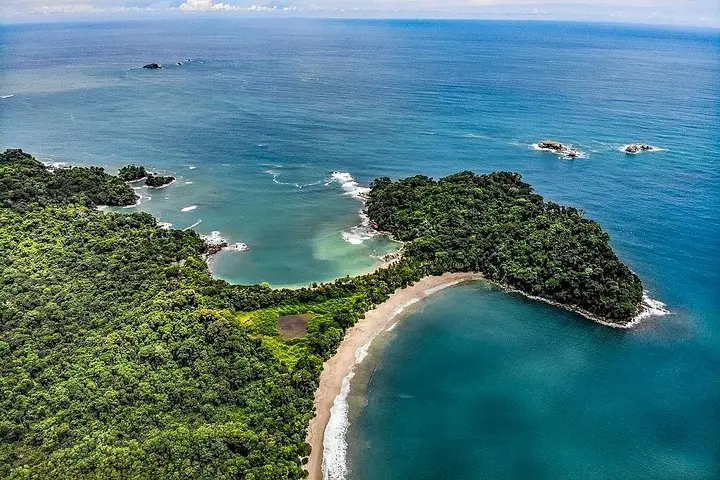
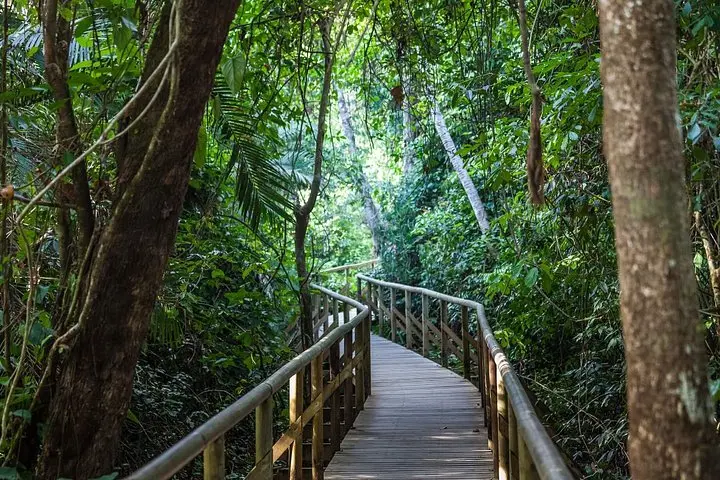
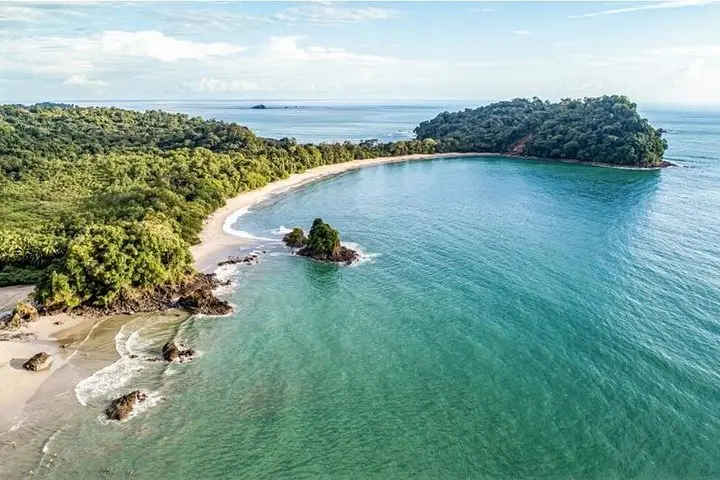
Dawn breaks over the Pacific and the forest answers in clicks and calls; damp air holds the smell of earth and salt as you step under the park’s canopy with a guide whose eyes seem tuned to the jungle’s small dramas. Trails climb and level through lowland rainforest, opening suddenly to a white sand beach where the ocean pushes and pulls like a living thing daring you closer.
Verified experiences and guided adventures in the surrounding area.
Operated by Dantes Water Sports · Manuel Antonio, Puntarenas
Dawn breaks over the Pacific and the forest answers in clicks and calls; damp air holds the smell of earth and salt as you step under the park’s canopy with a guide whose eyes seem tuned to the jungle’s small dramas. Trails climb and level through lowland rainforest, opening suddenly to a white sand beach where the ocean pushes and pulls like a living thing daring you closer.
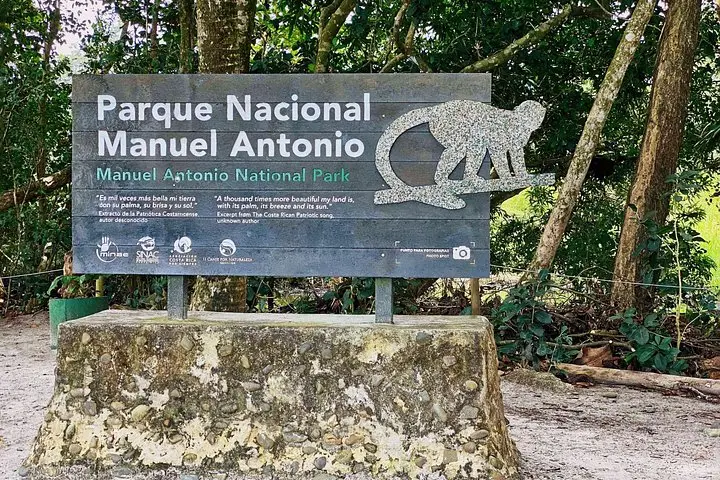
Manuel Antonio National Park was set aside in the 1970s to protect one of Costa Rica’s most accessible coastal rainforests. Geologically the park sits on volcanic soils washed toward the sea, creating steep headlands, coves and rocky outcrops that focus both terrestrial and marine life. The culture around Quepos and Manuel Antonio blends fishing heritage with tourism, and local guides are part naturalist, part cultural interpreter—pointing out capuchin monkeys, two-toed sloths, iguanas and seabirds while explaining park rules developed to conserve fragile habitats.
On a private guided walk you move at your own pace; guides carry a telescope and can help you photograph wildlife through the scope with your phone. Practicalities matter: have a digital photo of your passport ID page ready at entry, use a reusable water bottle (single-use plastics are banned), and wear sturdy closed-toe shoes—the trails are generally easy but can be slippery after rain. Morning visits maximize wildlife activity and avoid afternoon crowds and showers. If you choose to stay after the tour, the park’s beaches are swim-friendly, but note exiting the park is final unless you re-purchase admission. A private walk here balances low-effort access with high-reward wildlife viewing and a chance to finish the day with sand between your toes.
Yes—have a photo of your passport’s identification page on your phone the day of the tour to present at the gate.
Tickets are non-refundable and non-modifiable once paid; this is park policy noted at booking.
Yes—you may stay in the park after the tour and swim at the park beaches; leaving the park means you cannot re-enter without a new ticket.
The tour is described as suitable for all fitness levels and some portions are stroller/ wheelchair accessible, but certain trails have steps and uneven sections—check with the operator for specific accessibility needs.
Dantes Water Sports operates guided outdoor trips and adventures with an emphasis on safety, stewardship, and memorable experiences.
Dawn breaks over the Pacific and the forest answers in clicks and calls; damp air holds the smell of earth and salt as you step under the park’s canopy with a guide whose eyes seem tuned to the jungle’s small dramas. Trails climb and level through lowland rainforest, opening suddenly to a white sand beach where the ocean pushes and pulls like a living thing daring you closer.
Dawn breaks over the Pacific and the forest answers in clicks and calls; damp air holds the smell of earth and salt as you step under the park’s canopy with a guide whose eyes seem tuned to the jungle’s small dramas. Trails climb and level through lowland rainforest, opening suddenly to a white sand beach where the ocean pushes and pulls like a living thing daring you closer.
Manuel Antonio National Park was set aside in the 1970s to protect one of Costa Rica’s most accessible coastal rainforests. Geologically the park sits on volcanic soils washed toward the sea, creating steep headlands, coves and rocky outcrops that focus both terrestrial and marine life. The culture around Quepos and Manuel Antonio blends fishing heritage with tourism, and local guides are part naturalist, part cultural interpreter—pointing out capuchin monkeys, two-toed sloths, iguanas and seabirds while explaining park rules developed to conserve fragile habitats.
On a private guided walk you move at your own pace; guides carry a telescope and can help you photograph wildlife through the scope with your phone. Practicalities matter: have a digital photo of your passport ID page ready at entry, use a reusable water bottle (single-use plastics are banned), and wear sturdy closed-toe shoes—the trails are generally easy but can be slippery after rain. Morning visits maximize wildlife activity and avoid afternoon crowds and showers. If you choose to stay after the tour, the park’s beaches are swim-friendly, but note exiting the park is final unless you re-purchase admission. A private walk here balances low-effort access with high-reward wildlife viewing and a chance to finish the day with sand between your toes.