THE ADVENTURE COLLECTIVE® · Independent discovery and booking for outdoor travel

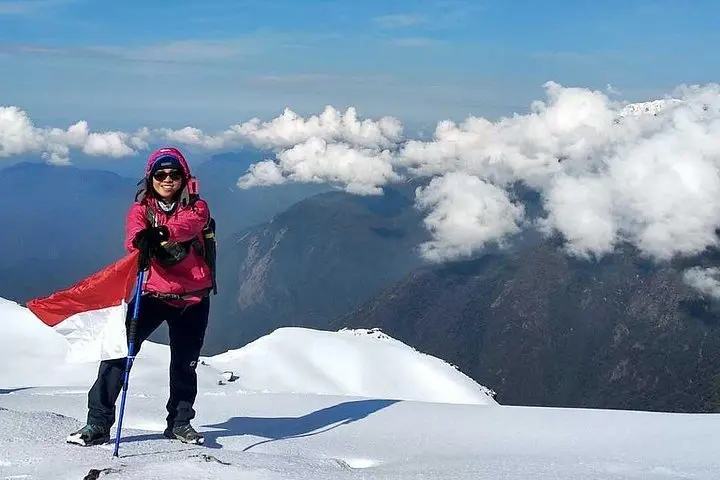
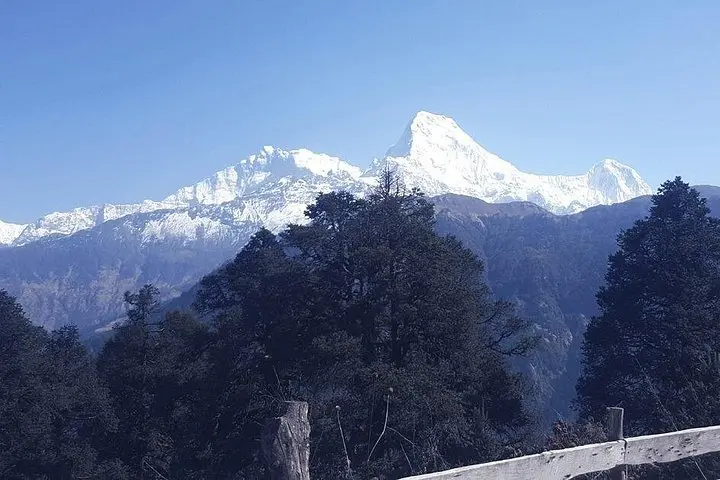
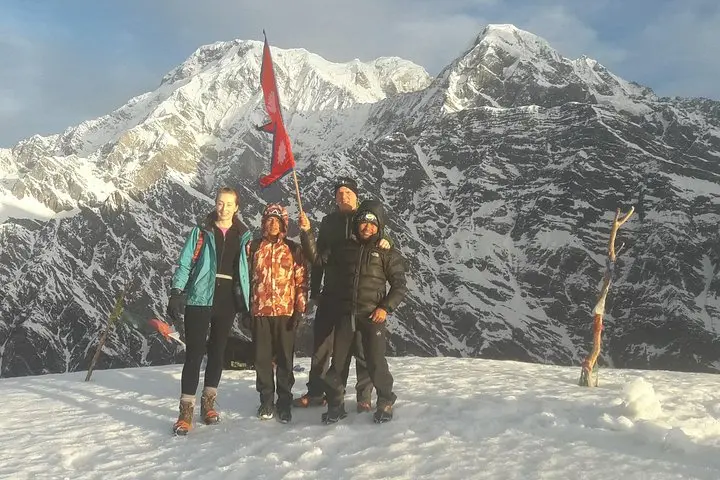
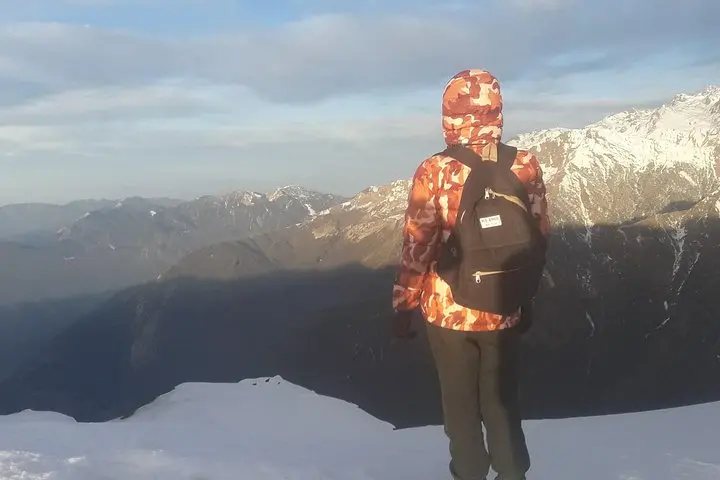
A compact 5-day lodge trek from Pokhara to Mardi Himal Base Camp, led by an experienced female guide. Expect forested switchbacks, high alpine ridgelines and expansive views of Annapurna South and Machhapuchhre.
A compact 5-day lodge trek from Pokhara to Mardi Himal Base Camp, led by an experienced female guide. Expect forested switchbacks, high alpine ridgelines and expansive views of Annapurna South and Machhapuchhre.
The path opens with a low-cloud morning above Pokhara, a private vehicle rattling toward Kande while the mountains peel themselves into view. From the first switchback the forest reaches for you—rhododendron, oak and a chorus of Himalayan bulbuls—while Annapurna South and Machhapuchhre (Fishtail) watch the ascent like practiced hosts.
Verified experiences and guided adventures in the surrounding area.
Operated by Nepal Wilderness Trekking · Pokhara, Gandaki Province
The path opens with a low-cloud morning above Pokhara, a private vehicle rattling toward Kande while the mountains peel themselves into view. From the first switchback the forest reaches for you—rhododendron, oak and a chorus of Himalayan bulbuls—while Annapurna South and Machhapuchhre (Fishtail) watch the ascent like practiced hosts.
Mardi Himal is a latecomer to mass tourism compared with the Annapurna Sanctuary; the route follows old shepherd trails and recent conservation corridors under the Annapurna Conservation Area Project (ACAP). Geologically you move from terraced farmland to steeply-bedded metamorphic slopes and finally glacial moraine near the higher camps, where scree and alpine meadows replace canopy shade.
Villages along the way are primarily Gurung and Magar communities; teahouses offer dal bhat and stories about seasonal transhumance. The trek is lodge-based—clean rooms provided—and guided privately, in this case by an experienced female leader who brings route knowledge, altitude awareness, and first-aid training.
Expect steady ascents: Deurali (~2,100 m), Low Camp (~2,985 m), High Camp (~3,550 m) and a ridge hike to views above 4,000–4,500 m for Mardi Himal viewpoints. Trails vary from packed dirt and roots to steep, rocky switchbacks; some sections require careful footwork on loose scree.
Practical planning: carry layers for cold nights (temperatures can drop below -10°C at high camp), hydrate and pace for altitude, and make sure TIMS and ACAP permits are in order. With moderate fitness and proper gear this five-day itinerary delivers big Himalayan panoramas and close cultural contact without technical climbing.
Yes—an ACAP permit and a TIMS card are required for trekking in the Annapurna Conservation Area; your operator typically arranges these.
Spring (March–May) and autumn (September–November) offer the clearest views and stable weather; monsoon brings green trails but more clouds, while winter is colder with possible snow above High Camp.
The highest viewpoints reach about 4,000–4,500 m; altitude symptoms are possible—ascend slowly, hydrate, and inform your guide immediately if symptoms appear.
Lodges are basic but clean—private rooms are often available; heating is limited and hot water may be rationed at higher elevations.
Nepal Wilderness Trekking operates guided outdoor trips and adventures with an emphasis on safety, stewardship, and memorable experiences.
The path opens with a low-cloud morning above Pokhara, a private vehicle rattling toward Kande while the mountains peel themselves into view. From the first switchback the forest reaches for you—rhododendron, oak and a chorus of Himalayan bulbuls—while Annapurna South and Machhapuchhre (Fishtail) watch the ascent like practiced hosts.
The path opens with a low-cloud morning above Pokhara, a private vehicle rattling toward Kande while the mountains peel themselves into view. From the first switchback the forest reaches for you—rhododendron, oak and a chorus of Himalayan bulbuls—while Annapurna South and Machhapuchhre (Fishtail) watch the ascent like practiced hosts.
Mardi Himal is a latecomer to mass tourism compared with the Annapurna Sanctuary; the route follows old shepherd trails and recent conservation corridors under the Annapurna Conservation Area Project (ACAP). Geologically you move from terraced farmland to steeply-bedded metamorphic slopes and finally glacial moraine near the higher camps, where scree and alpine meadows replace canopy shade.
Villages along the way are primarily Gurung and Magar communities; teahouses offer dal bhat and stories about seasonal transhumance. The trek is lodge-based—clean rooms provided—and guided privately, in this case by an experienced female leader who brings route knowledge, altitude awareness, and first-aid training.
Expect steady ascents: Deurali (~2,100 m), Low Camp (~2,985 m), High Camp (~3,550 m) and a ridge hike to views above 4,000–4,500 m for Mardi Himal viewpoints. Trails vary from packed dirt and roots to steep, rocky switchbacks; some sections require careful footwork on loose scree.
Practical planning: carry layers for cold nights (temperatures can drop below -10°C at high camp), hydrate and pace for altitude, and make sure TIMS and ACAP permits are in order. With moderate fitness and proper gear this five-day itinerary delivers big Himalayan panoramas and close cultural contact without technical climbing.