THE ADVENTURE COLLECTIVE® · Independent discovery and booking for outdoor travel

A day on Kilimanjaro’s lower slopes—follow a rainforest trail through coffee farms to a 70m waterfall, then sit down for coffee roasted the traditional Chagga way. This private tour combines a vigorous hike with cultural exchange and dramatic mountain views.
A day on Kilimanjaro’s lower slopes—follow a rainforest trail through coffee farms to a 70m waterfall, then sit down for coffee roasted the traditional Chagga way. This private tour combines a vigorous hike with cultural exchange and dramatic mountain views.
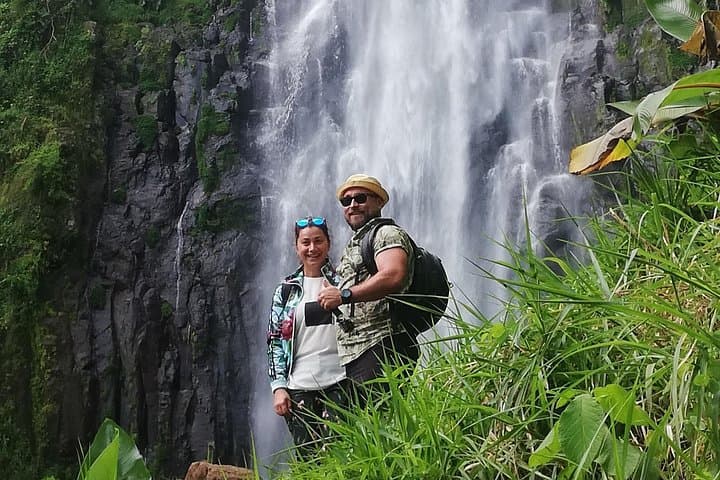
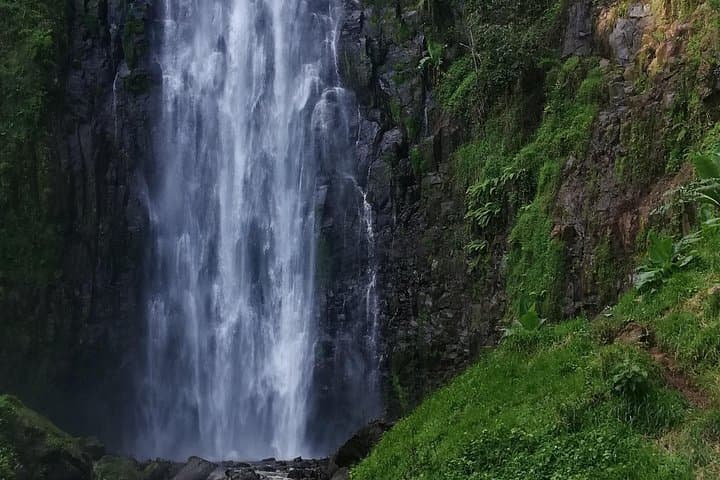
You step off the minivan as clouds peel away from Kilimanjaro’s lower slopes and a cool, green air greets you—thick with coffee blossom and damp leaf mold. The trail begins above Materuni village at roughly 2,500 meters, sloping into a folded landscape of terraces and rainforest. Voices from nearby shambas—banana, avocado and coffee plots—drift up as a guide points toward a white thread in the gorge: Materuni Waterfall, a 70-meter curtain of clear mountain water that drops into a basalt basin below.
Verified experiences and guided adventures in the surrounding area.
Operated by Engusero Tours and safaris · Materuni, Kilimanjaro Region
You step off the minivan as clouds peel away from Kilimanjaro’s lower slopes and a cool, green air greets you—thick with coffee blossom and damp leaf mold. The trail begins above Materuni village at roughly 2,500 meters, sloping into a folded landscape of terraces and rainforest. Voices from nearby shambas—banana, avocado and coffee plots—drift up as a guide points toward a white thread in the gorge: Materuni Waterfall, a 70-meter curtain of clear mountain water that drops into a basalt basin below.
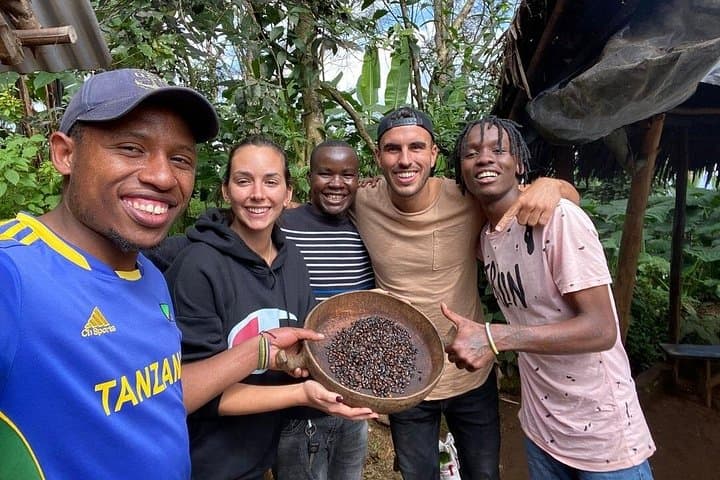
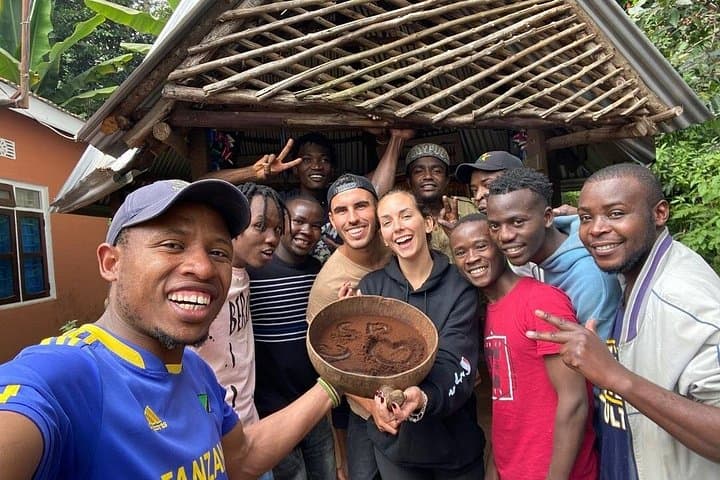
The hike reads like a compact lesson in the region’s geology and culture. The slopes are volcanic soils left by Kilimanjaro’s old flows; you’ll cross eroded ridgelines and river-cut gorges that channel melt and rainwater into the falls. Changing elevation is immediate and physical—expect steep switchbacks, rutted singletrack, and the occasional stone stair built by villagers. The Chagga people, who farm these slopes, have shaped the pattern of land use for centuries; along the way you may enter a homestead to learn how coffee is roasted over flame and sample banana beer brewed from ripe enset.
Practical details are straightforward. The typical private tour runs 8–10 hours door to door from Moshi (including transport), with about 3–4 km of walking round-trip and roughly 200–350 meters of elevation change depending on start point. Trails are damp and uneven; the descent to the pool is steeper than the return. Guides commonly include lunch and offer a coffee demonstration at a local home—a cultural exchange as much as a culinary one.
Timing and weather matter: early mornings give sharper views of Kibo and fewer clouds; during the March–May long rains the trail becomes slick and the falls are thunderous but muddy. Bring a daypack with water, rain shell, and sturdy footwear; a good pair of trail shoes makes the climbs and river-crossings far more comfortable. Cash for tips and small purchases (coffee, snacks) helps the village economy.
Beyond the waterfall itself, the experience is tactile—water daring you to step closer, forest leaves whispering underfoot, and the steady scent of roasted beans. It’s a short, concentrated way to read Kilimanjaro’s lower slopes: geology, agriculture and Chagga hospitality folded into a single day that rewards both curiosity and sensible preparation.
Expect about 3–4 km round-trip on foot with roughly 200–350 m of elevation change depending on the starting point used by your private guide.
Yes—on clear mornings the views of Kibo and the surrounding plains are excellent, but visibility depends on weather and cloud cover.
Most private tours include a traditional coffee roasting and tasting session at a local homestead; confirm with your operator when booking.
Children who are steady walkers can do the trail, but steep, uneven sections and river crossings make it better for older kids; consider your child’s experience on hiking terrain.
Facilities are basic: a village homestead may offer simple pit latrines; bring hand sanitizer and toilet paper just in case.
Dry months (June–October and late January–February) offer firmer trails and clearer mountain views; avoid the long rains (March–May) for a drier experience.
Engusero Tours and safaris operates guided outdoor trips and adventures with an emphasis on safety, stewardship, and memorable experiences.
You step off the minivan as clouds peel away from Kilimanjaro’s lower slopes and a cool, green air greets you—thick with coffee blossom and damp leaf mold. The trail begins above Materuni village at roughly 2,500 meters, sloping into a folded landscape of terraces and rainforest. Voices from nearby shambas—banana, avocado and coffee plots—drift up as a guide points toward a white thread in the gorge: Materuni Waterfall, a 70-meter curtain of clear mountain water that drops into a basalt basin below.
You step off the minivan as clouds peel away from Kilimanjaro’s lower slopes and a cool, green air greets you—thick with coffee blossom and damp leaf mold. The trail begins above Materuni village at roughly 2,500 meters, sloping into a folded landscape of terraces and rainforest. Voices from nearby shambas—banana, avocado and coffee plots—drift up as a guide points toward a white thread in the gorge: Materuni Waterfall, a 70-meter curtain of clear mountain water that drops into a basalt basin below.
The hike reads like a compact lesson in the region’s geology and culture. The slopes are volcanic soils left by Kilimanjaro’s old flows; you’ll cross eroded ridgelines and river-cut gorges that channel melt and rainwater into the falls. Changing elevation is immediate and physical—expect steep switchbacks, rutted singletrack, and the occasional stone stair built by villagers. The Chagga people, who farm these slopes, have shaped the pattern of land use for centuries; along the way you may enter a homestead to learn how coffee is roasted over flame and sample banana beer brewed from ripe enset.
Practical details are straightforward. The typical private tour runs 8–10 hours door to door from Moshi (including transport), with about 3–4 km of walking round-trip and roughly 200–350 meters of elevation change depending on start point. Trails are damp and uneven; the descent to the pool is steeper than the return. Guides commonly include lunch and offer a coffee demonstration at a local home—a cultural exchange as much as a culinary one.
Timing and weather matter: early mornings give sharper views of Kibo and fewer clouds; during the March–May long rains the trail becomes slick and the falls are thunderous but muddy. Bring a daypack with water, rain shell, and sturdy footwear; a good pair of trail shoes makes the climbs and river-crossings far more comfortable. Cash for tips and small purchases (coffee, snacks) helps the village economy.
Beyond the waterfall itself, the experience is tactile—water daring you to step closer, forest leaves whispering underfoot, and the steady scent of roasted beans. It’s a short, concentrated way to read Kilimanjaro’s lower slopes: geology, agriculture and Chagga hospitality folded into a single day that rewards both curiosity and sensible preparation.