THE ADVENTURE COLLECTIVE® · Independent discovery and booking for outdoor travel

Spend three hours inside a living classroom at Maui Nui Botanical Garden: a private, hands-on tour that combines native plant conservation, Polynesian food-plant heritage and a visit to Olowalu’s petroglyphs and river. Ideal for travelers who want a cultural and ecological deep-dive with practical stewardship.
Spend three hours inside a living classroom at Maui Nui Botanical Garden: a private, hands-on tour that combines native plant conservation, Polynesian food-plant heritage and a visit to Olowalu’s petroglyphs and river. Ideal for travelers who want a cultural and ecological deep-dive with practical stewardship.
You step through a modest gate and the island exhales: humid air warmed by volcanic rock, the smell of guava and ti leaves, birds calling from the understory. For three hours this private tour at Maui Nui Botanical Garden moves at a human pace—an hour of hands-on stewardship, an hour guiding through collections of native and Polynesian-introduced plants, and time beside the Olowalu River and petroglyphs to let the place sink in.
Verified experiences and guided adventures in the surrounding area.
Operated by Restore Maui LLC · Kahului, Hawaii
You step through a modest gate and the island exhales: humid air warmed by volcanic rock, the smell of guava and ti leaves, birds calling from the understory. For three hours this private tour at Maui Nui Botanical Garden moves at a human pace—an hour of hands-on stewardship, an hour guiding through collections of native and Polynesian-introduced plants, and time beside the Olowalu River and petroglyphs to let the place sink in.
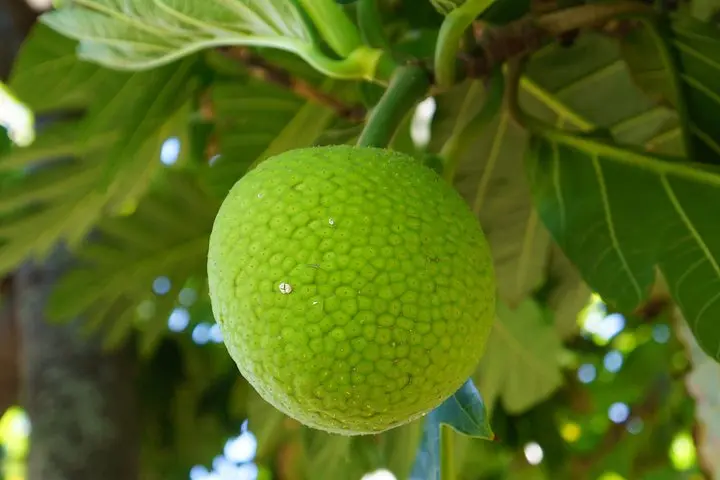
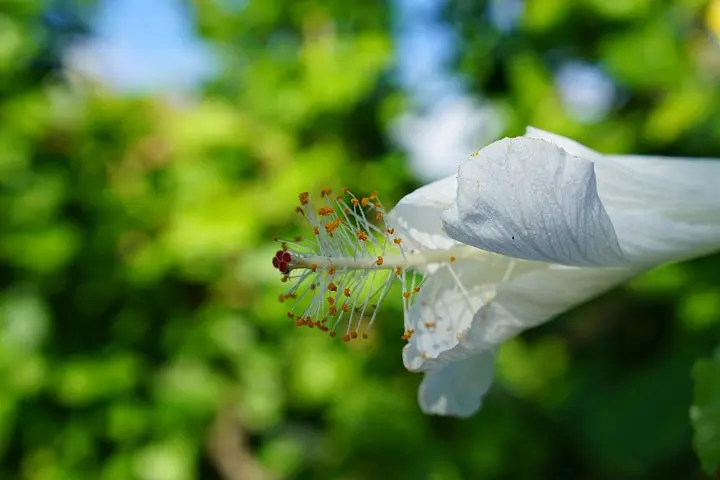
The garden is part conservation lab, part cultural classroom. Its beds hold species that evolved on old lava and ash—palms, lobelioids and lowland koa—alongside taro and other canoe plants that told centuries of migration stories. Olowalu’s petroglyphs nearby are quiet reminders of human care across generations; the river and reef speak to Maui’s geological history of lava flows, erosion and reef building.
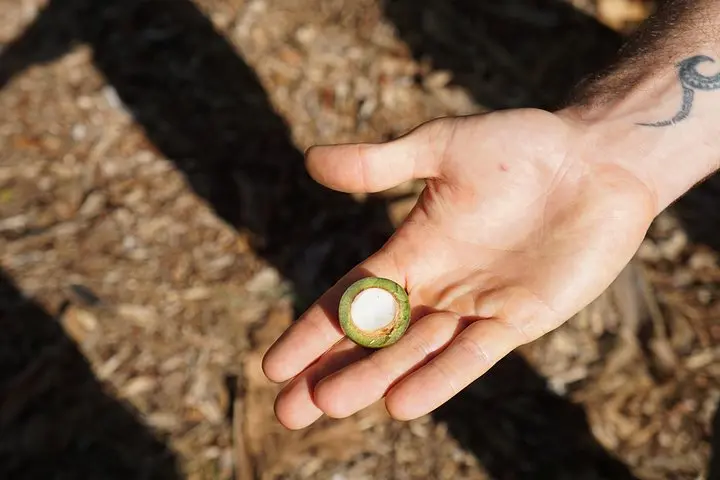
Expect practical, grounded interpretation: why certain species are critically endangered, how Polynesian agriculture shaped the islands, and what restoration looks like today. You’ll help with basic weeding or planting—tasks chosen to be meaningful but accessible.
Plan for sun, slippery damp paths and sudden trade-wind gusts. The operator meets at the garden entrance; parking is roadside. The tour is wheelchair- and stroller-accessible, includes coffee or tea, and allows gentle wading in shallow river areas if you choose. Bring reef-safe sunscreen, a refillable water bottle, sturdy shoes, and curiosity. This isn’t a passive walkthrough—it's a hands-on invitation to leave the place better than you found it.
Yes. The garden reports wheelchair and stroller accessibility across primary paths; let the operator know any mobility needs when booking.
The river is shallow in many spots and the tour allows gentle submersion in safe areas, but there are no lifeguards—assess conditions and follow the guide’s instructions.
Yes. The tour is family-friendly and suitable for infants and small children; activities are adjusted for age and ability.
Full refunds are available if you cancel at least 24 hours before the scheduled start time; tours may be canceled for bad weather.
Restore Maui LLC operates guided outdoor trips and adventures with an emphasis on safety, stewardship, and memorable experiences.
You step through a modest gate and the island exhales: humid air warmed by volcanic rock, the smell of guava and ti leaves, birds calling from the understory. For three hours this private tour at Maui Nui Botanical Garden moves at a human pace—an hour of hands-on stewardship, an hour guiding through collections of native and Polynesian-introduced plants, and time beside the Olowalu River and petroglyphs to let the place sink in.
You step through a modest gate and the island exhales: humid air warmed by volcanic rock, the smell of guava and ti leaves, birds calling from the understory. For three hours this private tour at Maui Nui Botanical Garden moves at a human pace—an hour of hands-on stewardship, an hour guiding through collections of native and Polynesian-introduced plants, and time beside the Olowalu River and petroglyphs to let the place sink in.
The garden is part conservation lab, part cultural classroom. Its beds hold species that evolved on old lava and ash—palms, lobelioids and lowland koa—alongside taro and other canoe plants that told centuries of migration stories. Olowalu’s petroglyphs nearby are quiet reminders of human care across generations; the river and reef speak to Maui’s geological history of lava flows, erosion and reef building.
Expect practical, grounded interpretation: why certain species are critically endangered, how Polynesian agriculture shaped the islands, and what restoration looks like today. You’ll help with basic weeding or planting—tasks chosen to be meaningful but accessible.
Plan for sun, slippery damp paths and sudden trade-wind gusts. The operator meets at the garden entrance; parking is roadside. The tour is wheelchair- and stroller-accessible, includes coffee or tea, and allows gentle wading in shallow river areas if you choose. Bring reef-safe sunscreen, a refillable water bottle, sturdy shoes, and curiosity. This isn’t a passive walkthrough—it's a hands-on invitation to leave the place better than you found it.