THE ADVENTURE COLLECTIVE® · Independent discovery and booking for outdoor travel

Explore the Mayadevi Temple and surrounding monastic zone on a private, guided tour that combines archaeological context with quiet garden walks. Ideal for first-time visitors wanting history, culture, and practical logistics handled for them.
Explore the Mayadevi Temple and surrounding monastic zone on a private, guided tour that combines archaeological context with quiet garden walks. Ideal for first-time visitors wanting history, culture, and practical logistics handled for them.
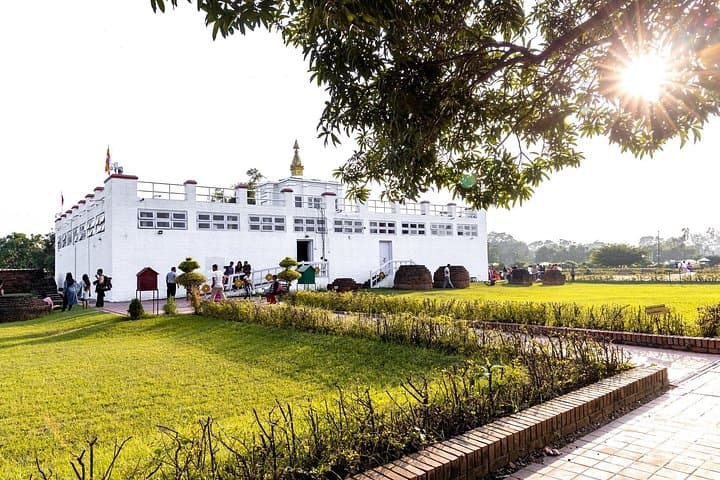
You arrive at the sacred garden just after first light: dew on the grass, prayer flags fluttering along low walls, and the distant chime of monastery bells pulling the walkways into quiet attention.
Verified experiences and guided adventures in the surrounding area.
Operated by taxiGo Limo Airport Service · Lumbini, Lumbini Province
You arrive at the sacred garden just after first light: dew on the grass, prayer flags fluttering along low walls, and the distant chime of monastery bells pulling the walkways into quiet attention.
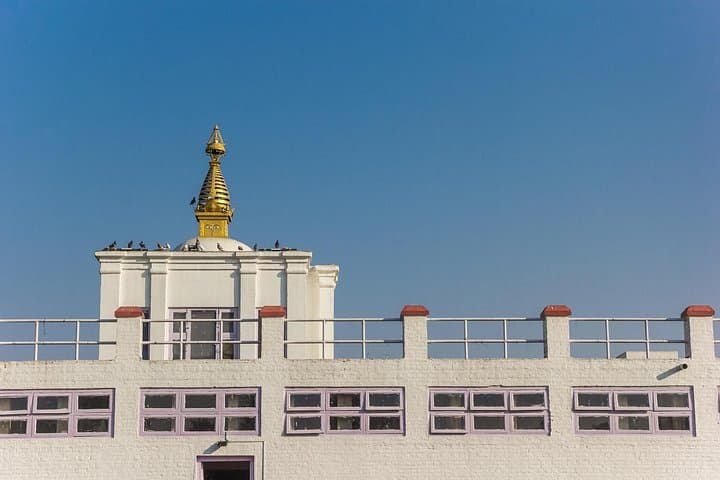
Mayadevi Temple sits in the flat Terai plain where the air holds the scent of wet soil in monsoon and warm straw in winter. This is the place tradition and archaeology meet — identified as the birthplace of Siddhartha Gautama and preserved within a UNESCO World Heritage site. Spread across a compact archaeological zone and an international monastic area, the complex combines an ancient brick shrine, the Ashoka pillar nearby, and a ring of national monasteries each with distinct architectural voices.
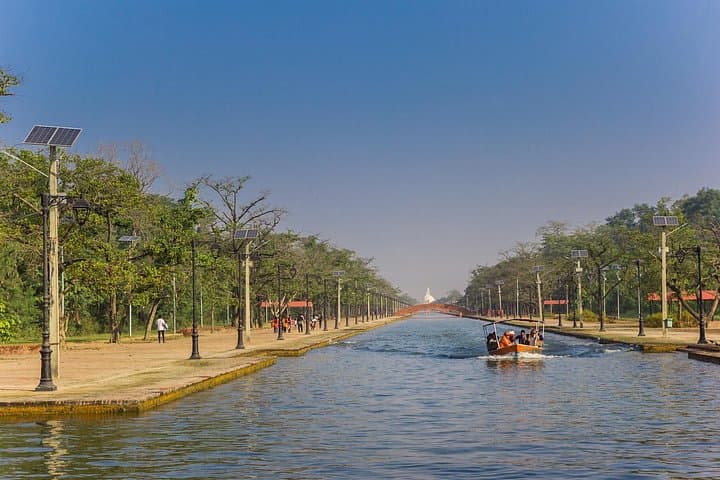
Geologically the site is alluvial plain — flat with negligible elevation gain — which makes walking easy but exposes visitors to sun and seasonal rains. Culturally, Lumbini is both pilgrimage site and living community of monks, pilgrims and local vendors; Cambodian and other international monasteries add vivid color and markedly different construction styles.
Practical guidance: the private tour typically runs four hours including transport from Lumbini town or nearby Siddharthanagar, with roughly 1–3 km of walking between points of interest. Wear modest clothing that covers shoulders and knees, comfortable walking shoes, and bring water and sun protection. Photography is generally allowed but be respectful around worshippers and inside shrines. Book a guided tour for archaeological context and smoother logistics — guides speed up security checks and offer local insight on small museum displays and lesser-known memorials. Plan your visit for early morning or late afternoon to avoid midday heat and to catch the gardens at their most contemplative.
Yes, the Lumbini Sacred Garden has an entry fee set by local authorities; fees and opening hours can change, so confirm current rates before arrival.
Not strictly, but a licensed local guide adds archaeological context, helps with navigation between monasteries, and speeds up any permit or ticketing steps.
The main pathways are generally flat and accessible, but some shrine interiors and older brick ruins may be uneven—check with the operator for vehicle drop-off and mobility support.
Photography is usually allowed in outdoor areas; show respect by avoiding flash and asking permission in active worship spaces and inside some monasteries.
taxiGo Limo Airport Service operates guided outdoor trips and adventures with an emphasis on safety, stewardship, and memorable experiences.

You arrive at the sacred garden just after first light: dew on the grass, prayer flags fluttering along low walls, and the distant chime of monastery bells pulling the walkways into quiet attention.
You arrive at the sacred garden just after first light: dew on the grass, prayer flags fluttering along low walls, and the distant chime of monastery bells pulling the walkways into quiet attention.
Mayadevi Temple sits in the flat Terai plain where the air holds the scent of wet soil in monsoon and warm straw in winter. This is the place tradition and archaeology meet — identified as the birthplace of Siddhartha Gautama and preserved within a UNESCO World Heritage site. Spread across a compact archaeological zone and an international monastic area, the complex combines an ancient brick shrine, the Ashoka pillar nearby, and a ring of national monasteries each with distinct architectural voices.
Geologically the site is alluvial plain — flat with negligible elevation gain — which makes walking easy but exposes visitors to sun and seasonal rains. Culturally, Lumbini is both pilgrimage site and living community of monks, pilgrims and local vendors; Cambodian and other international monasteries add vivid color and markedly different construction styles.
Practical guidance: the private tour typically runs four hours including transport from Lumbini town or nearby Siddharthanagar, with roughly 1–3 km of walking between points of interest. Wear modest clothing that covers shoulders and knees, comfortable walking shoes, and bring water and sun protection. Photography is generally allowed but be respectful around worshippers and inside shrines. Book a guided tour for archaeological context and smoother logistics — guides speed up security checks and offer local insight on small museum displays and lesser-known memorials. Plan your visit for early morning or late afternoon to avoid midday heat and to catch the gardens at their most contemplative.