THE ADVENTURE COLLECTIVE® · Independent discovery and booking for outdoor travel

Walk two hours through New York’s transformation: from slaughterhouses to fashion studios, Nabisco’s bakery to an elevated park. This private tour pairs history, architecture and market bites with local insight and practical tips for seeing the High Line and Chelsea Market.
Walk two hours through New York’s transformation: from slaughterhouses to fashion studios, Nabisco’s bakery to an elevated park. This private tour pairs history, architecture and market bites with local insight and practical tips for seeing the High Line and Chelsea Market.
You enter the neighborhood through the mouth of Chelsea Market: the smell of toasted coffee, the clatter of carts and a guide’s voice threading history into the bustle. For two hours the city rearranges itself — a former industrial artery becomes stage, cobble and elevated steel turn into public gardens, and storefronts that once processed meat now sell couture and artisanal chocolate.
Verified experiences and guided adventures in the surrounding area.
Operated by Top Dog Tours Inc. · New York, NY
You enter the neighborhood through the mouth of Chelsea Market: the smell of toasted coffee, the clatter of carts and a guide’s voice threading history into the bustle. For two hours the city rearranges itself — a former industrial artery becomes stage, cobble and elevated steel turn into public gardens, and storefronts that once processed meat now sell couture and artisanal chocolate.
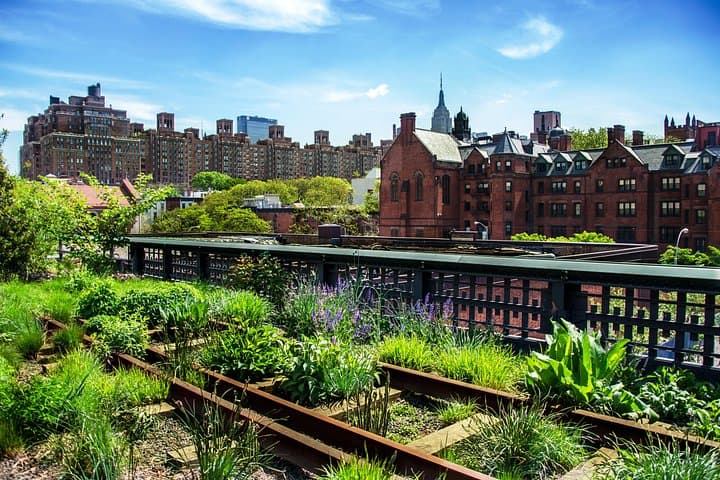
The tour traces a sharp arc through streets that changed New York. In the 19th and early 20th centuries the Meatpacking District was a working quarter of slaughterhouses and wholesale markets; it earned a reputation for grime and hard labor. Across the same blocks the West Side freight line — nicknamed “Death Avenue” for the rail accidents it spawned — carried goods until the tracks fell silent. Decades later the raised rail became the High Line, an engineered greenway that reclaims industrial bones with native plantings and long views of the Hudson.
Chelsea Market sits in a converted Nabisco factory where the modern Oreo cookie was first produced; its brick, tile and exposed beams keep one foot in manufacturing history while vendors push the neighborhood forward with new flavors. The High Line’s path bends and opens, offering a choreography of urban moments: sculptural architecture, roof gardens, and glimpses into backyard terraces and fashion salons. The walk ends at Little Island, the buoyant pier-park that floats above the Hudson on sculpted supports and offers unusual vantage points back toward the city.
Culturally, the route is a study in reinvention — immigrant labor and industrial logistics gave way to artists, galleries and food entrepreneurs. Guides on this private tour layer that context with present-day stories: where freight cars once clashed, now bloggers sip espresso; where butchers worked, chefs hunt for heirloom garlic.
Practical guidance: plan for roughly two hours and a moderate amount of walking on paved streets and raised boardwalks. Restroom access is limited, so use facilities before departure. Chelsea Market offers snacks (bring about $20 if you want to sample); the High Line can close in hazardous weather, so confirm access the morning of your tour. Wear comfortable shoes, bring a light layer and an umbrella if conditions look uncertain. The tour is wheelchair- and stroller-accessible, but surfaces and vendor availability vary by season.
This walk balances architecture, food and urban ecology — it’s a compact lesson in how a city remakes itself, best experienced at a steady pace with curiosity and a charged phone for photos.
The private tour lasts about two hours and covers roughly 1.5 to 2 miles at an easy pace between Chelsea Market, the High Line, and Little Island.
Yes — the tour notes wheelchair accessibility and stroller access, though surfaces and vendor layouts may vary; inform the operator of mobility needs when booking.
Yes — Chelsea Market has many vendors; guides allow time for optional purchases. Bringing around $20 cash is recommended for a snack.
If the High Line is closed for safety, the guide will reroute the walking tour and the operator will offer alternatives or a full refund if canceled due to hazardous conditions.
Children under 18 must be accompanied by an adult over 21; the tour is family-friendly but requires attention in crowded sections.
Gratuities aren’t included but are appreciated; tipping is discretionary and common for good service.
Top Dog Tours Inc. operates guided outdoor trips and adventures with an emphasis on safety, stewardship, and memorable experiences.



You enter the neighborhood through the mouth of Chelsea Market: the smell of toasted coffee, the clatter of carts and a guide’s voice threading history into the bustle. For two hours the city rearranges itself — a former industrial artery becomes stage, cobble and elevated steel turn into public gardens, and storefronts that once processed meat now sell couture and artisanal chocolate.
You enter the neighborhood through the mouth of Chelsea Market: the smell of toasted coffee, the clatter of carts and a guide’s voice threading history into the bustle. For two hours the city rearranges itself — a former industrial artery becomes stage, cobble and elevated steel turn into public gardens, and storefronts that once processed meat now sell couture and artisanal chocolate.
The tour traces a sharp arc through streets that changed New York. In the 19th and early 20th centuries the Meatpacking District was a working quarter of slaughterhouses and wholesale markets; it earned a reputation for grime and hard labor. Across the same blocks the West Side freight line — nicknamed “Death Avenue” for the rail accidents it spawned — carried goods until the tracks fell silent. Decades later the raised rail became the High Line, an engineered greenway that reclaims industrial bones with native plantings and long views of the Hudson.
Chelsea Market sits in a converted Nabisco factory where the modern Oreo cookie was first produced; its brick, tile and exposed beams keep one foot in manufacturing history while vendors push the neighborhood forward with new flavors. The High Line’s path bends and opens, offering a choreography of urban moments: sculptural architecture, roof gardens, and glimpses into backyard terraces and fashion salons. The walk ends at Little Island, the buoyant pier-park that floats above the Hudson on sculpted supports and offers unusual vantage points back toward the city.
Culturally, the route is a study in reinvention — immigrant labor and industrial logistics gave way to artists, galleries and food entrepreneurs. Guides on this private tour layer that context with present-day stories: where freight cars once clashed, now bloggers sip espresso; where butchers worked, chefs hunt for heirloom garlic.
Practical guidance: plan for roughly two hours and a moderate amount of walking on paved streets and raised boardwalks. Restroom access is limited, so use facilities before departure. Chelsea Market offers snacks (bring about $20 if you want to sample); the High Line can close in hazardous weather, so confirm access the morning of your tour. Wear comfortable shoes, bring a light layer and an umbrella if conditions look uncertain. The tour is wheelchair- and stroller-accessible, but surfaces and vendor availability vary by season.
This walk balances architecture, food and urban ecology — it’s a compact lesson in how a city remakes itself, best experienced at a steady pace with curiosity and a charged phone for photos.