
Private Mindo Cloud Forest Day Tour from Quito: Birding, Waterfalls & Chocolate
Spend a full day from Quito in Ecuador’s Mindo cloud forest with a licensed naturalist: hummingbird gardens, a tarabita crossing, butterfly houses, artisanal chocolate, and optional canopy ziplines. This private tour balances birding, waterfalls and cultural stops with flexible pacing.
An Adventure In Quito.
Spend a full day from Quito in Ecuador’s Mindo cloud forest with a licensed naturalist: hummingbird gardens, a tarabita crossing, butterfly houses, artisanal chocolate, and optional canopy ziplines. This private tour balances birding, waterfalls and cultural stops with flexible pacing.
Read the full experience
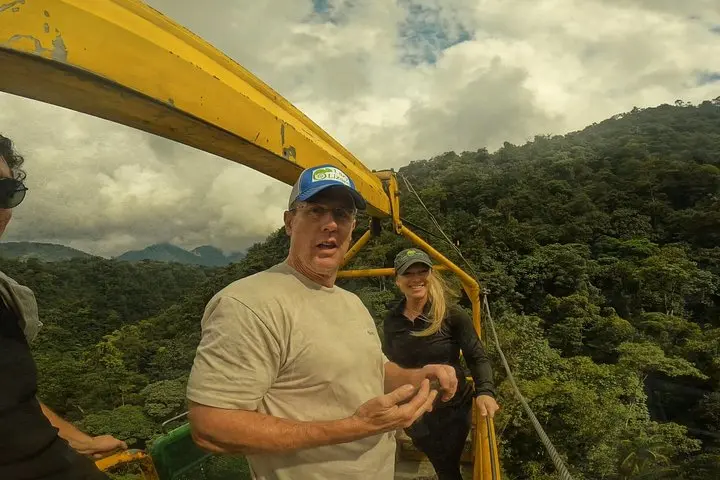
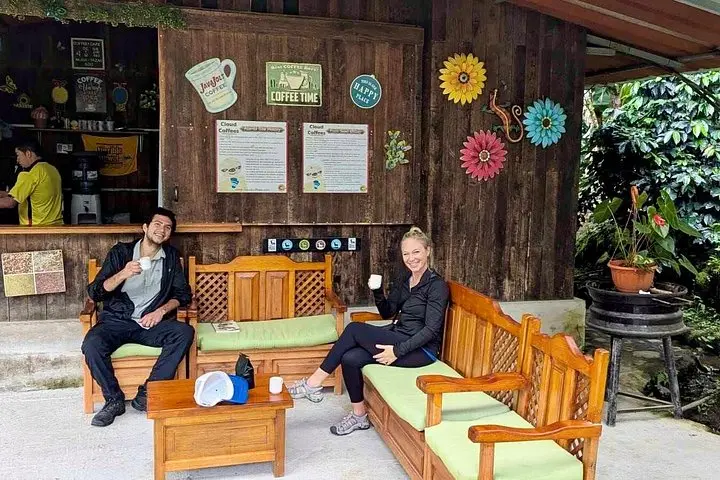
A thin mist clings to the road as a private 4WD drops travelers from the Andean highlands into the humid green of Mindo’s cloud forest. Hummingbirds flare like living jewels in roadside gardens; a tarabita creaks across the Nambillo canyon, carrying visitors 530 meters over the gorge while waterfalls chant below. The day moves at a personalized pace—quiet birdwatching at feeding stations, a brisk walk through riverine trails, and a chocolate tasting in town.
A thin mist clings to the road as a private 4WD drops travelers from the Andean highlands into the humid green of Mindo’s cloud forest. Hummingbirds flare like living jewels in roadside gardens; a tarabita creaks across the Nambillo canyon, carrying visitors 530 meters over the gorge while waterfalls chant below. The day moves at a personalized pace—quiet birdwatching at feeding stations, a brisk walk through riverine trails, and a chocolate tasting in town.
Geologically, the area sits on the western flank of the northern Andes where steep slopes and abundant moisture create the Chocó Andino’s complex mosaic of ridges and ravines. The Tandayapa Valley and Alambí Reserve (1,450–2,200 m elevation) protect primary cloud forest that supports hundreds of bird species; Mariposas de Mindo highlights the insect life that underpins these ecosystems. Culturally, Mindo has shifted from subsistence farming to community-driven ecotourism—local guides and family-run reserves anchor conservation and visitor services.
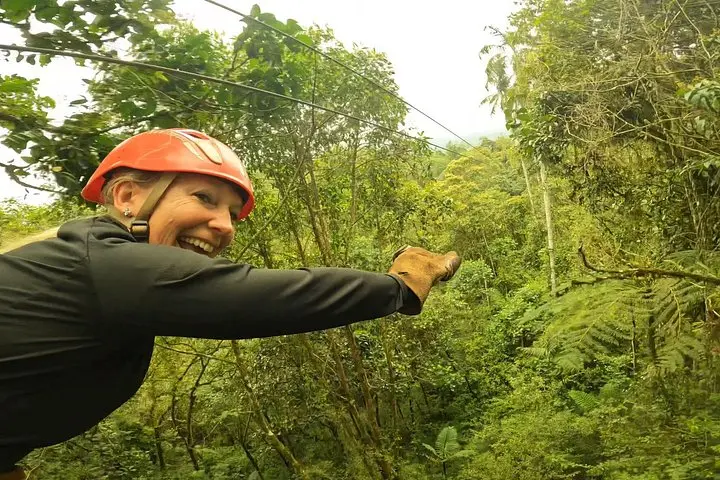
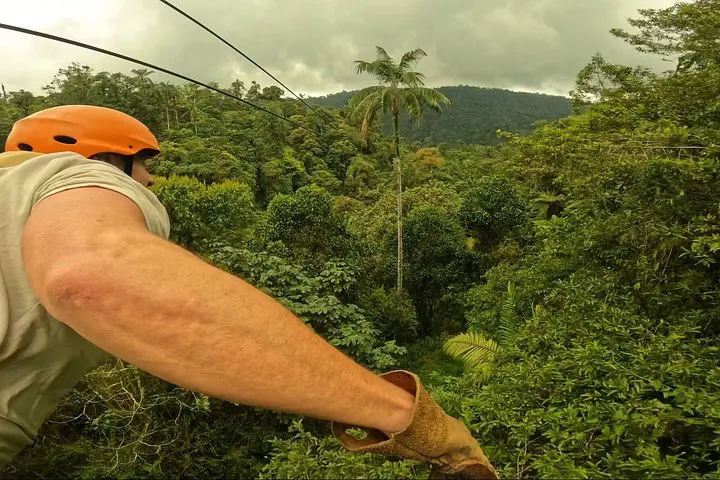
Practical notes follow the story: expect an 8–12 hour outing from Quito, variable weather, and short uneven trails that can be slick. Optional activities (zipline circuits of roughly 80–400 m per line, canopy tours, or the Tarabita and Waterfall Sanctuary) require extra fees paid locally. Bring cash for small admissions, a lightweight rain jacket, sturdy hiking shoes, binoculars, and patience—wildlife sightings vary by season and weather. Hydrate, move deliberately on wet boardwalks, and favor local guides to ensure both a richer experience and direct support for conservation efforts.
Frequently asked questions
Travel time is roughly 2–3 hours each way depending on traffic and road conditions; plan for an 8–12 hour day with stops.
Most local site admissions (Alambí, Mariposas, Tarabita, chocolate experience) are not included and are paid on site, typically US$5–10 per attraction.
The tour is family-friendly, but some trails and the Tarabita involve uneven steps; inquire about infant seats and accessibility if mobility is limited.
Yes—zipline circuits, rafting, tubing or canyoning are optional and booked locally; operators require separate payment and have their own safety rules.
About This Experience
Aboriginal Sense operates guided outdoor trips and adventures with an emphasis on safety, stewardship, and memorable experiences.
Adventure tips
Recommended gear
- Waterproof rain jacket: Lightweight protection for sudden showers common in the cloud forest.
- Sturdy hiking shoes: Needed for wet, uneven trails and boardwalks in waterfall areas.
- Binoculars: Essential for birdwatching at feeders and along forest trails.
- Insect repellent: Useful in humid sections and near streams to reduce insect bites.
Photos of the experience
Related adventures & guides
Read the full experience
A thin mist clings to the road as a private 4WD drops travelers from the Andean highlands into the humid green of Mindo’s cloud forest. Hummingbirds flare like living jewels in roadside gardens; a tarabita creaks across the Nambillo canyon, carrying visitors 530 meters over the gorge while waterfalls chant below. The day moves at a personalized pace—quiet birdwatching at feeding stations, a brisk walk through riverine trails, and a chocolate tasting in town.
A thin mist clings to the road as a private 4WD drops travelers from the Andean highlands into the humid green of Mindo’s cloud forest. Hummingbirds flare like living jewels in roadside gardens; a tarabita creaks across the Nambillo canyon, carrying visitors 530 meters over the gorge while waterfalls chant below. The day moves at a personalized pace—quiet birdwatching at feeding stations, a brisk walk through riverine trails, and a chocolate tasting in town.
Geologically, the area sits on the western flank of the northern Andes where steep slopes and abundant moisture create the Chocó Andino’s complex mosaic of ridges and ravines. The Tandayapa Valley and Alambí Reserve (1,450–2,200 m elevation) protect primary cloud forest that supports hundreds of bird species; Mariposas de Mindo highlights the insect life that underpins these ecosystems. Culturally, Mindo has shifted from subsistence farming to community-driven ecotourism—local guides and family-run reserves anchor conservation and visitor services.
Practical notes follow the story: expect an 8–12 hour outing from Quito, variable weather, and short uneven trails that can be slick. Optional activities (zipline circuits of roughly 80–400 m per line, canopy tours, or the Tarabita and Waterfall Sanctuary) require extra fees paid locally. Bring cash for small admissions, a lightweight rain jacket, sturdy hiking shoes, binoculars, and patience—wildlife sightings vary by season and weather. Hydrate, move deliberately on wet boardwalks, and favor local guides to ensure both a richer experience and direct support for conservation efforts.
Make a day of it nearby.
Verified experiences and guided adventures in the surrounding area.