THE ADVENTURE COLLECTIVE® · Independent discovery and booking for outdoor travel

Explore Miyajima with a local guide on a private four-hour tour that combines Itsukushima Shrine, Momijidani Park and hands-on local crafts. Ideal for limited schedules, the itinerary is customizable to focus on culture, scenery or food.
Explore Miyajima with a local guide on a private four-hour tour that combines Itsukushima Shrine, Momijidani Park and hands-on local crafts. Ideal for limited schedules, the itinerary is customizable to focus on culture, scenery or food.
You step off the ferry and the air on Miyajima is immediate — salt from the Seto Inland Sea, the clip of gulls and the slow cadence of foot traffic guided by a low, vermilion gate rising from the water. In four focused hours a local guide sketches the island’s edges: tidal shrine platforms, a pagoda tucked into cedar shade, and a shopping street where grilled oysters steam alongside freshly made momiji manju.
Verified experiences and guided adventures in the surrounding area.
Operated by 888tour · Hatsukaichi, Hiroshima
You step off the ferry and the air on Miyajima is immediate — salt from the Seto Inland Sea, the clip of gulls and the slow cadence of foot traffic guided by a low, vermilion gate rising from the water. In four focused hours a local guide sketches the island’s edges: tidal shrine platforms, a pagoda tucked into cedar shade, and a shopping street where grilled oysters steam alongside freshly made momiji manju.
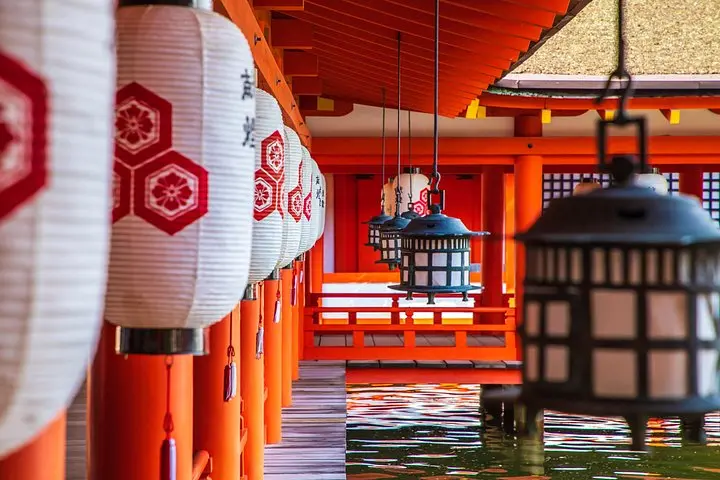
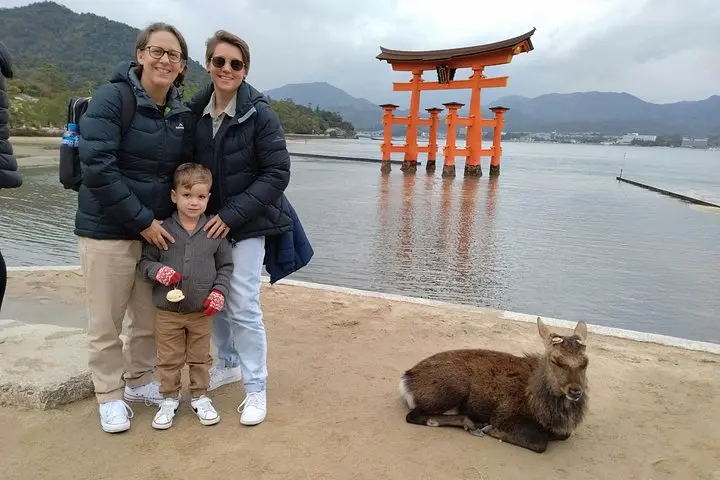
Itsukushima Shrine dates to the 6th–12th centuries and was designed to float at high tide, its timber architecture responding to the rhythms of sea and sky. Geologically the island is a volcanic outcrop of weathered basalt and andesitic rock; trails climb into older forest soils where maples take hold, producing the celebrated autumn color in Momijidani Park. Culturally, Miyajima has long been treated as sacred ground — deer that wander the streets are tolerated guests rather than pests — and local craft stalls still sell rice-scoop paintings and hand-formed sweets.
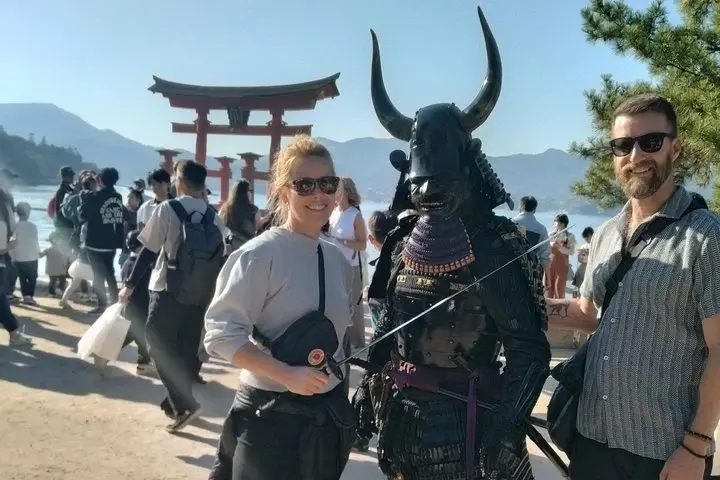
Practically, the private format means you choose the pace: a photo stop at the floating torii, a calm loop through Momijidani, or an ascent to Shishiiwa Observation Deck for island-and-sea views. Expect moderate walking on paved promenades and stone steps; wear grippy shoes, carry water, and schedule visits around tide tables if you want the classic low-tide gate photo. A knowledgeable guide handles shrine etiquette, entrance logistics and can arrange short tastings or craft demos — an efficient way to sample Miyajima’s history, geology and flavors in a single, well-planned morning or afternoon.
Take the JR train or tram to Miyajimaguchi, then a short ferry ride (10 minutes) across the Seto Inland Sea to the island.
Yes — the tour is rated easy and can be paced to accommodate families and older guests, though some stairs and short hikes are involved.
Itsukushima Shrine entrance fee is listed as included in the tour inclusions; confirm specifics with the operator when booking.
Yes — this private tour is designed to be customizable: tell your guide whether you prefer cultural sites, food tastings or a viewpoint hike.
888tour operates guided outdoor trips and adventures with an emphasis on safety, stewardship, and memorable experiences.
You step off the ferry and the air on Miyajima is immediate — salt from the Seto Inland Sea, the clip of gulls and the slow cadence of foot traffic guided by a low, vermilion gate rising from the water. In four focused hours a local guide sketches the island’s edges: tidal shrine platforms, a pagoda tucked into cedar shade, and a shopping street where grilled oysters steam alongside freshly made momiji manju.
You step off the ferry and the air on Miyajima is immediate — salt from the Seto Inland Sea, the clip of gulls and the slow cadence of foot traffic guided by a low, vermilion gate rising from the water. In four focused hours a local guide sketches the island’s edges: tidal shrine platforms, a pagoda tucked into cedar shade, and a shopping street where grilled oysters steam alongside freshly made momiji manju.
Itsukushima Shrine dates to the 6th–12th centuries and was designed to float at high tide, its timber architecture responding to the rhythms of sea and sky. Geologically the island is a volcanic outcrop of weathered basalt and andesitic rock; trails climb into older forest soils where maples take hold, producing the celebrated autumn color in Momijidani Park. Culturally, Miyajima has long been treated as sacred ground — deer that wander the streets are tolerated guests rather than pests — and local craft stalls still sell rice-scoop paintings and hand-formed sweets.
Practically, the private format means you choose the pace: a photo stop at the floating torii, a calm loop through Momijidani, or an ascent to Shishiiwa Observation Deck for island-and-sea views. Expect moderate walking on paved promenades and stone steps; wear grippy shoes, carry water, and schedule visits around tide tables if you want the classic low-tide gate photo. A knowledgeable guide handles shrine etiquette, entrance logistics and can arrange short tastings or craft demos — an efficient way to sample Miyajima’s history, geology and flavors in a single, well-planned morning or afternoon.