THE ADVENTURE COLLECTIVE® · Independent discovery and booking for outdoor travel

Explore Monte Albán's hilltop plazas and watch Zapotec-era crafts come to life in family workshops. This private, 8-hour tour from Oaxaca City pairs archaeology with hands-on artisan visits and local food stops.
Explore Monte Albán's hilltop plazas and watch Zapotec-era crafts come to life in family workshops. This private, 8-hour tour from Oaxaca City pairs archaeology with hands-on artisan visits and local food stops.
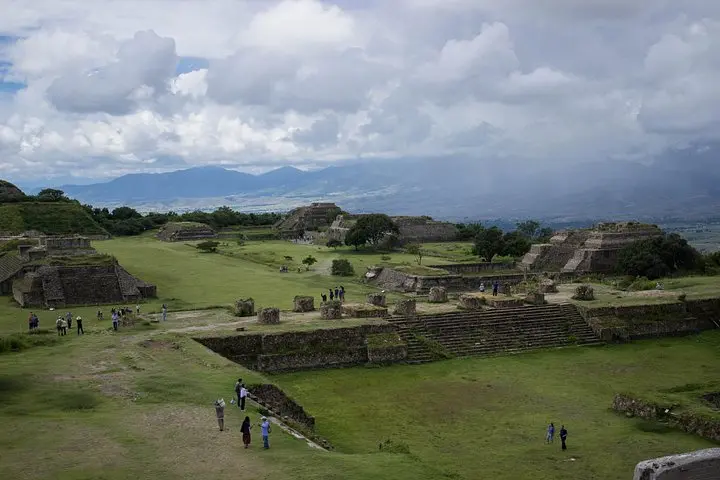
You step out of an air-conditioned car into a high, dry wind that seems to push history forward. Terraced plazas and low stone mounds spread across the ridge of Monte Albán; the valley below holds Oaxaca City like a slow-breathing neighbor.
Verified experiences and guided adventures in the surrounding area.
Operated by Enjoy Oaxaca · Oaxaca de Juárez, Oaxaca
You step out of an air-conditioned car into a high, dry wind that seems to push history forward. Terraced plazas and low stone mounds spread across the ridge of Monte Albán; the valley below holds Oaxaca City like a slow-breathing neighbor.
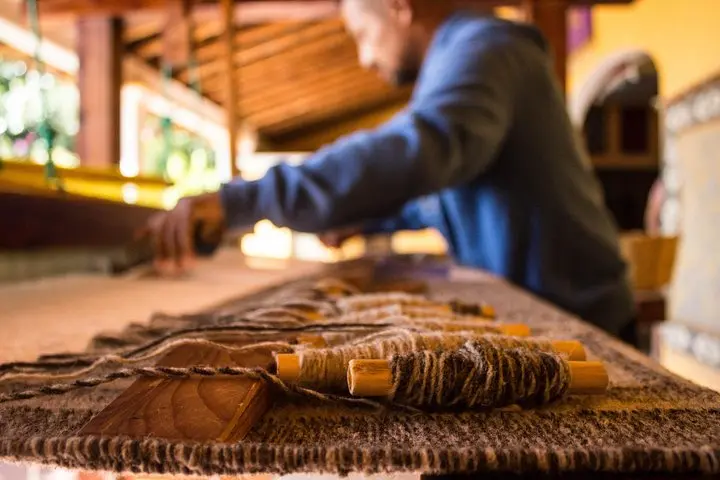
Monte Albán began as a Zapotec capital around 500 BCE, rising to prominence through deliberate earthworks and alignments with the surrounding terrain. The hill itself is limestone cut and shaped by ancient hands; plazas, ballcourts and carved stelae speak to ritual, astronomy and civic life. The trip moves from archaeology to craft: nearby workshops in towns like San Antonio Arrazola and San Bartolo Coyotepec keep woodcarving and black pottery alive, techniques handed down through families and still sold at modest stalls.
Cultural detail is practical here—ask a carver about the copal wood they prefer, or watch the pre-Hispanic wheel turn clay into that deep black sheen. The guide typically times visits to avoid midday heat and coordinates private entrance approaches so you walk the central plaza with fewer crowds.
Practical guidance: wear sturdy shoes for uneven stone and short flights of carved steps, carry water and sun protection, and leave room in your bag for fragile ceramics. Expect about eight hours including hotel pickup, transport and 2–3 short stops for demonstrations and local food. This private format favors flexibility—bring questions, prepare to walk, and plan for slower travel between towns so artisans can show their whole process.
Most private tours do not include entrance fees by default—confirm with the operator; the site's ticket is paid separately at the gate or arranged by the guide.
This tour offers hotel pickup across central Oaxaca; a pickup time is confirmed during booking and the driver typically arrives 10–15 minutes beforehand.
Workshops usually demonstrate carving and pottery; hands-on participation depends on the artisan and may require advance request to avoid damaging delicate pieces.
Monte Albán has uneven stone surfaces and some steps; the tour is labeled easy but not recommended for those with serious back or mobility issues—ask about alternatives or shortened routes.
Enjoy Oaxaca operates guided outdoor trips and adventures with an emphasis on safety, stewardship, and memorable experiences.


You step out of an air-conditioned car into a high, dry wind that seems to push history forward. Terraced plazas and low stone mounds spread across the ridge of Monte Albán; the valley below holds Oaxaca City like a slow-breathing neighbor.
You step out of an air-conditioned car into a high, dry wind that seems to push history forward. Terraced plazas and low stone mounds spread across the ridge of Monte Albán; the valley below holds Oaxaca City like a slow-breathing neighbor.
Monte Albán began as a Zapotec capital around 500 BCE, rising to prominence through deliberate earthworks and alignments with the surrounding terrain. The hill itself is limestone cut and shaped by ancient hands; plazas, ballcourts and carved stelae speak to ritual, astronomy and civic life. The trip moves from archaeology to craft: nearby workshops in towns like San Antonio Arrazola and San Bartolo Coyotepec keep woodcarving and black pottery alive, techniques handed down through families and still sold at modest stalls.
Cultural detail is practical here—ask a carver about the copal wood they prefer, or watch the pre-Hispanic wheel turn clay into that deep black sheen. The guide typically times visits to avoid midday heat and coordinates private entrance approaches so you walk the central plaza with fewer crowds.
Practical guidance: wear sturdy shoes for uneven stone and short flights of carved steps, carry water and sun protection, and leave room in your bag for fragile ceramics. Expect about eight hours including hotel pickup, transport and 2–3 short stops for demonstrations and local food. This private format favors flexibility—bring questions, prepare to walk, and plan for slower travel between towns so artisans can show their whole process.