THE ADVENTURE COLLECTIVE® · Independent discovery and booking for outdoor travel

Crossing from Tirana to the Adriatic, this private day tour stitches together Kotor’s medieval walls, Budva’s Roman echoes and the fortified isle of Sveti Stefan. Expect a full day of coastal drives, cobbled alleys, and panoramic viewpoints with border formalities included.
Crossing from Tirana to the Adriatic, this private day tour stitches together Kotor’s medieval walls, Budva’s Roman echoes and the fortified isle of Sveti Stefan. Expect a full day of coastal drives, cobbled alleys, and panoramic viewpoints with border formalities included.
You leave Tirana before dawn and the highway unfurls toward the Adriatic: a ribbon of asphalt pressed between olive-scrub hills and the sea. By mid-morning the Bay of Kotor appears — a deep, fjord-like inlet where limestone slopes lean toward the water and fishing boats bob like thought-out answers to a long coastline.
Verified experiences and guided adventures in the surrounding area.
Operated by Go as Local · Kotor, Kotor Municipality
You leave Tirana before dawn and the highway unfurls toward the Adriatic: a ribbon of asphalt pressed between olive-scrub hills and the sea. By mid-morning the Bay of Kotor appears — a deep, fjord-like inlet where limestone slopes lean toward the water and fishing boats bob like thought-out answers to a long coastline.
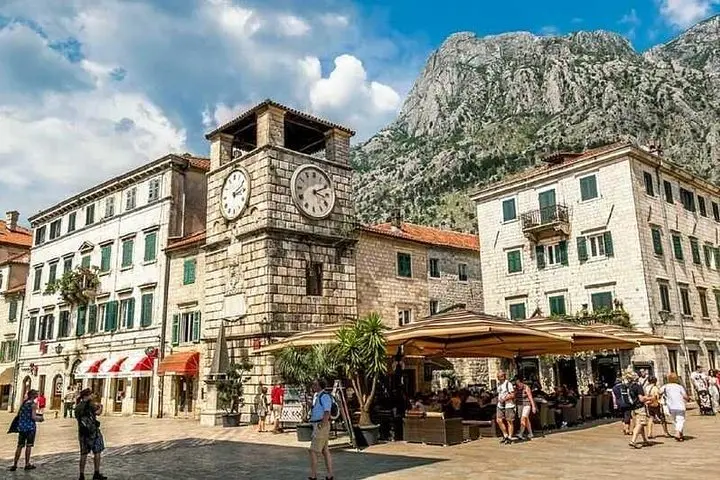
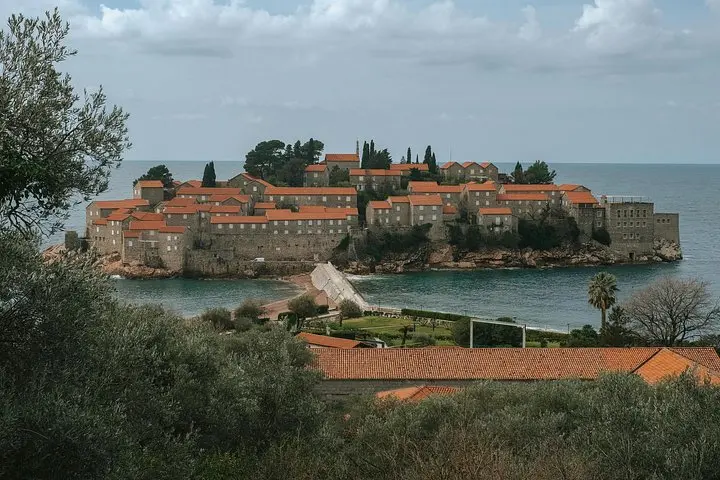
Kotor's Old City is compact and ancient, ringed by sturdy stone walls and threaded with narrow alleys. The Sea Gate still marks the city's maritime entrance; inside, Saint Tryphon's cathedral, consecrated in 1166, keeps watch with Romanesque calm. Drive south and the Riviera tightens: Budva's compact citadel, Roman ruins and rooftop viewpoints give way to rocky coves and tiny beaches. The day ends with Sveti Stefan — a fortified fishing settlement turned exclusive resort — its 15th-century stonework sitting squarely on a pink spit of land.
Geology here is karst: limestone cliffs, caves and narrow bays carved by sea and time; culturally, the coast wears Venetian, Ottoman and Slavic layers in its churches, fortifications and cuisine. Locals balance fishing, tourism and small-scale agriculture.
Practical guidance: this is a long, guided day — expect about 12 hours door-to-door with 2–3 hours of walking on cobbles and short uphill steps to viewpoints. Bring your passport (border crossing to Montenegro), comfortable shoes for uneven stones, sun protection and water. Euro cash and card payments both work, but small vendors may prefer cash. Note that access to Sveti Stefan's interior is limited to hotel guests, so plan photo stops accordingly.
Visa requirements depend on your nationality; bring your passport and check visa rules ahead of travel — the tour crosses an international border and you must present documents at checkpoints.
Yes — the tour includes hotel pickup and drop-off in Tirana as stated in the inclusions.
Sveti Stefan’s island complex is private and generally accessible only to hotel guests; the tour stops for photos and views from the shore or nearby viewpoints.
The tour includes transportation and guide services; entrance fees noted in the itinerary (e.g., some sites) and lunch are typically not included — bring cash or card for food and optional admissions.
Go as Local operates guided outdoor trips and adventures with an emphasis on safety, stewardship, and memorable experiences.


You leave Tirana before dawn and the highway unfurls toward the Adriatic: a ribbon of asphalt pressed between olive-scrub hills and the sea. By mid-morning the Bay of Kotor appears — a deep, fjord-like inlet where limestone slopes lean toward the water and fishing boats bob like thought-out answers to a long coastline.
You leave Tirana before dawn and the highway unfurls toward the Adriatic: a ribbon of asphalt pressed between olive-scrub hills and the sea. By mid-morning the Bay of Kotor appears — a deep, fjord-like inlet where limestone slopes lean toward the water and fishing boats bob like thought-out answers to a long coastline.
Kotor's Old City is compact and ancient, ringed by sturdy stone walls and threaded with narrow alleys. The Sea Gate still marks the city's maritime entrance; inside, Saint Tryphon's cathedral, consecrated in 1166, keeps watch with Romanesque calm. Drive south and the Riviera tightens: Budva's compact citadel, Roman ruins and rooftop viewpoints give way to rocky coves and tiny beaches. The day ends with Sveti Stefan — a fortified fishing settlement turned exclusive resort — its 15th-century stonework sitting squarely on a pink spit of land.
Geology here is karst: limestone cliffs, caves and narrow bays carved by sea and time; culturally, the coast wears Venetian, Ottoman and Slavic layers in its churches, fortifications and cuisine. Locals balance fishing, tourism and small-scale agriculture.
Practical guidance: this is a long, guided day — expect about 12 hours door-to-door with 2–3 hours of walking on cobbles and short uphill steps to viewpoints. Bring your passport (border crossing to Montenegro), comfortable shoes for uneven stones, sun protection and water. Euro cash and card payments both work, but small vendors may prefer cash. Note that access to Sveti Stefan's interior is limited to hotel guests, so plan photo stops accordingly.