THE ADVENTURE COLLECTIVE® · Independent discovery and booking for outdoor travel
Trace pivotal Civil Rights sites across Montgomery on a private 4–6 hour driving and walking tour. Visit Dexter Avenue, the Legacy Museum, and the National Memorial for Peace and Justice with a local guide who situates each stop in its social and geographic context.
Trace pivotal Civil Rights sites across Montgomery on a private 4–6 hour driving and walking tour. Visit Dexter Avenue, the Legacy Museum, and the National Memorial for Peace and Justice with a local guide who situates each stop in its social and geographic context.
You step out into a hotel lobby as the city still wakes; the guide greets you, keys in hand, and the car eases into traffic toward Dexter Avenue. Streets hum with daily life, but here the pavement remembers sermons, bus seats, and marches — and the mood tightens with the first stop: the church where Martin Luther King Jr. preached and organized.
Verified experiences and guided adventures in the surrounding area.
Operated by Civil Rights Tours · Montgomery, Alabama
You step out into a hotel lobby as the city still wakes; the guide greets you, keys in hand, and the car eases into traffic toward Dexter Avenue. Streets hum with daily life, but here the pavement remembers sermons, bus seats, and marches — and the mood tightens with the first stop: the church where Martin Luther King Jr. preached and organized.
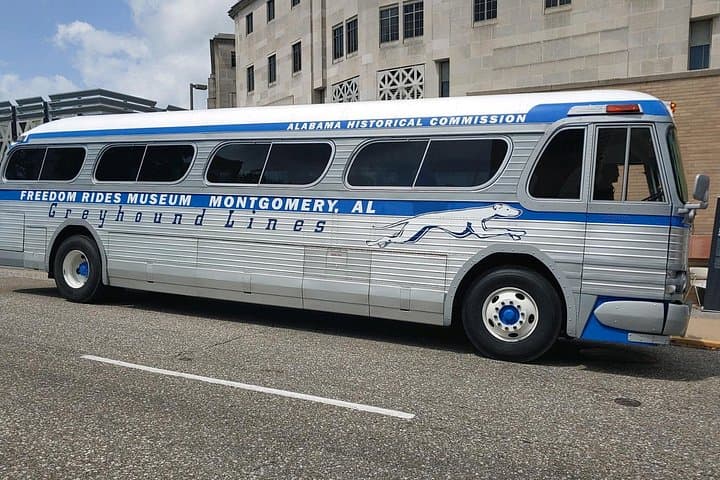
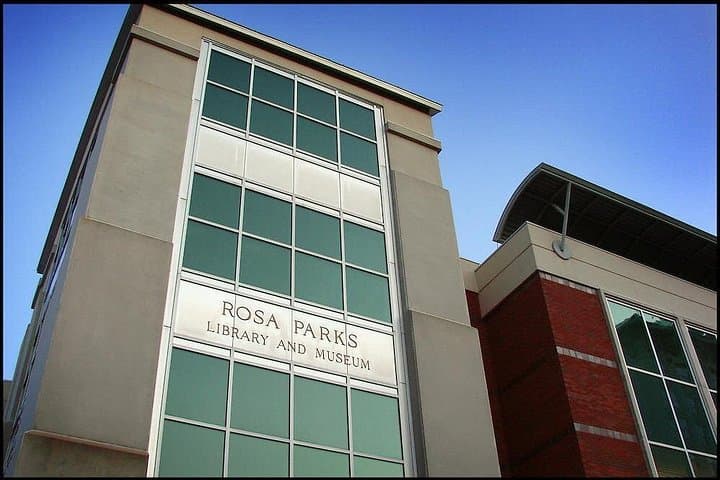
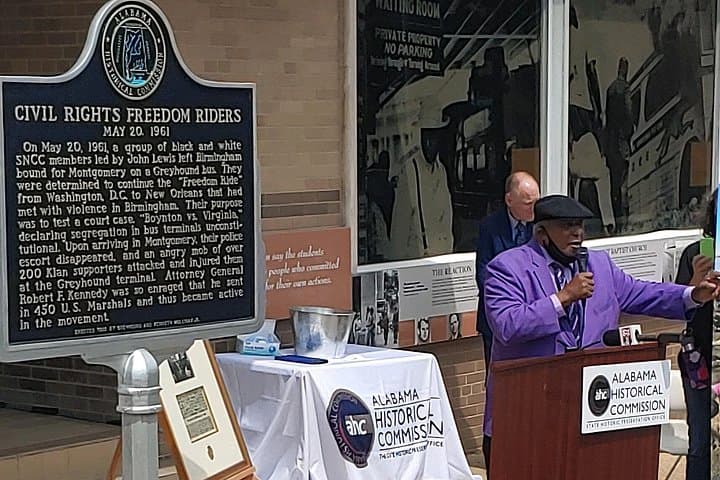
Montgomery sits on the fall line between the Piedmont and Gulf Coastal Plain; red clay gives way to the broad floodplain of the Alabama River. That geology shaped settlement patterns and, later, the economic structures that civil rights activists confronted. The tour threads through that history: the Dexter Avenue King Memorial Baptist Church, the site tied to Rosa Parks’ refusal on a city bus, and interpretive spaces like the Legacy Museum and the National Memorial for Peace and Justice.
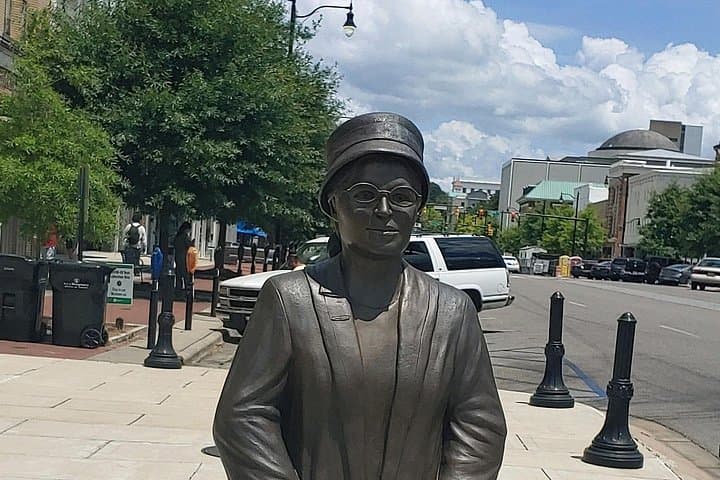
Expect sober, concrete storytelling — sculpture, archival media, and memorial columns that force reflection. Guides connect local culture and quieter civic landmarks: courthouses, parsonages, and downtown squares that witnessed legal battles and everyday resistance.
Practically, the tour is a mix of short walks and driving between sites over 4–6 hours; wear supportive shoes, bring sun protection and a reusable water bottle, and allow time for exhibits that can be emotionally intense. Photography rules vary at memorials and museums — follow posted guidance. The experience is best in the morning when light scans the memorial’s columns and summer heat is still manageable. This is a slow, reflective tour: come prepared to listen, ask questions, and leave with a clearer sense of how place, policy, and people intersected to reshape American life.
Admissions are typically not included; the itinerary notes that entrances to the Legacy Museum and some sites may require separate tickets—confirm at booking.
The tour uses private transportation and includes short walks; however it’s not fully wheelchair accessible at every site—discuss mobility needs with the operator before booking.
Yes; the guide generally meets travelers in Montgomery-area hotel lobbies per the tour’s pickup instructions.
Children are welcome but infants must sit on an adult’s lap; the content and length may be intense for very young visitors.
Civil Rights Tours operates guided outdoor trips and adventures with an emphasis on safety, stewardship, and memorable experiences.
You step out into a hotel lobby as the city still wakes; the guide greets you, keys in hand, and the car eases into traffic toward Dexter Avenue. Streets hum with daily life, but here the pavement remembers sermons, bus seats, and marches — and the mood tightens with the first stop: the church where Martin Luther King Jr. preached and organized.
You step out into a hotel lobby as the city still wakes; the guide greets you, keys in hand, and the car eases into traffic toward Dexter Avenue. Streets hum with daily life, but here the pavement remembers sermons, bus seats, and marches — and the mood tightens with the first stop: the church where Martin Luther King Jr. preached and organized.
Montgomery sits on the fall line between the Piedmont and Gulf Coastal Plain; red clay gives way to the broad floodplain of the Alabama River. That geology shaped settlement patterns and, later, the economic structures that civil rights activists confronted. The tour threads through that history: the Dexter Avenue King Memorial Baptist Church, the site tied to Rosa Parks’ refusal on a city bus, and interpretive spaces like the Legacy Museum and the National Memorial for Peace and Justice.
Expect sober, concrete storytelling — sculpture, archival media, and memorial columns that force reflection. Guides connect local culture and quieter civic landmarks: courthouses, parsonages, and downtown squares that witnessed legal battles and everyday resistance.
Practically, the tour is a mix of short walks and driving between sites over 4–6 hours; wear supportive shoes, bring sun protection and a reusable water bottle, and allow time for exhibits that can be emotionally intense. Photography rules vary at memorials and museums — follow posted guidance. The experience is best in the morning when light scans the memorial’s columns and summer heat is still manageable. This is a slow, reflective tour: come prepared to listen, ask questions, and leave with a clearer sense of how place, policy, and people intersected to reshape American life.
