THE ADVENTURE COLLECTIVE® · Independent discovery and booking for outdoor travel

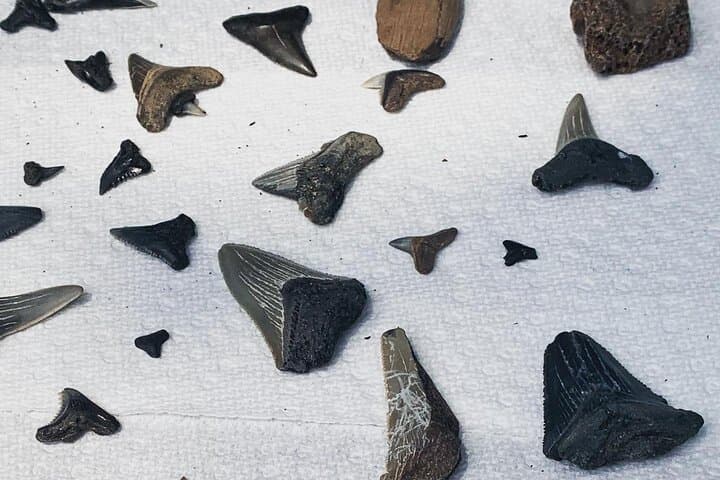
Cruise tidal creeks from Folly Beach to the uninhabited south end of Morris Island for dolphin sightings, shorebird watching, and 90–120 minutes of beachcombing for shark teeth, fossils, and shells. This private three-hour excursion pairs easy boating with hands-on coastal exploration.
Cruise tidal creeks from Folly Beach to the uninhabited south end of Morris Island for dolphin sightings, shorebird watching, and 90–120 minutes of beachcombing for shark teeth, fossils, and shells. This private three-hour excursion pairs easy boating with hands-on coastal exploration.
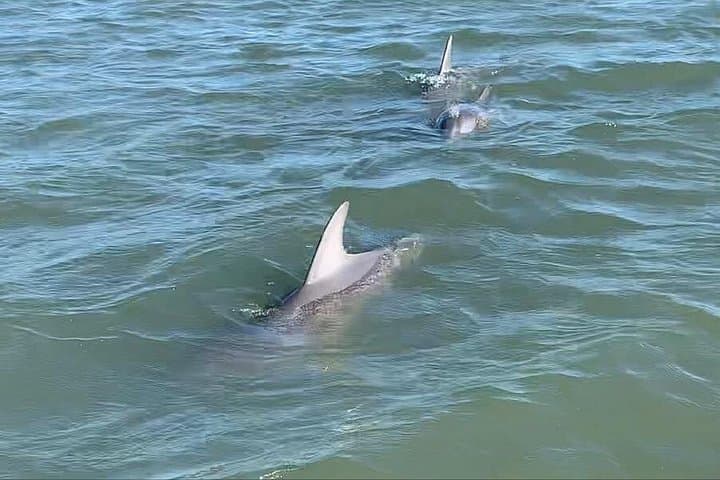
The boat slides out of the tidal creeks behind Folly Beach and the marsh opens like a slow-moving room. Saltgrass leans with the current; oyster beds glitter at low tide. Dolphins often cut through the inlet ahead, arcing through the channel as the captain eases toward the southern tip of Morris Island.
Verified experiences and guided adventures in the surrounding area.
Operated by Morris Island Charters · Folly Beach, South Carolina
The boat slides out of the tidal creeks behind Folly Beach and the marsh opens like a slow-moving room. Saltgrass leans with the current; oyster beds glitter at low tide. Dolphins often cut through the inlet ahead, arcing through the channel as the captain eases toward the southern tip of Morris Island.
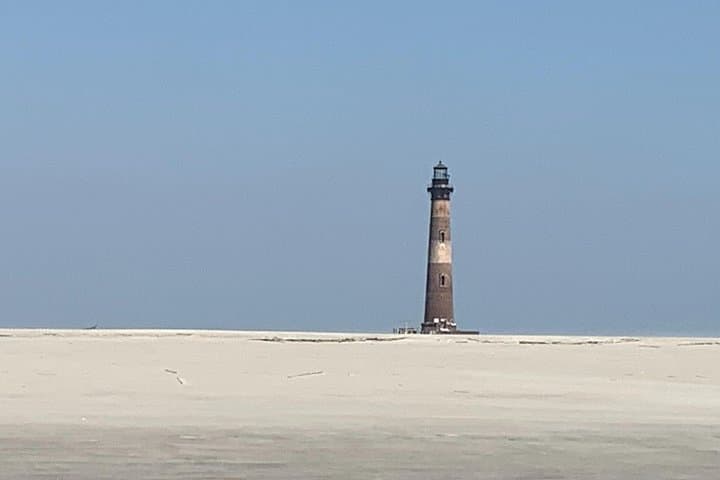
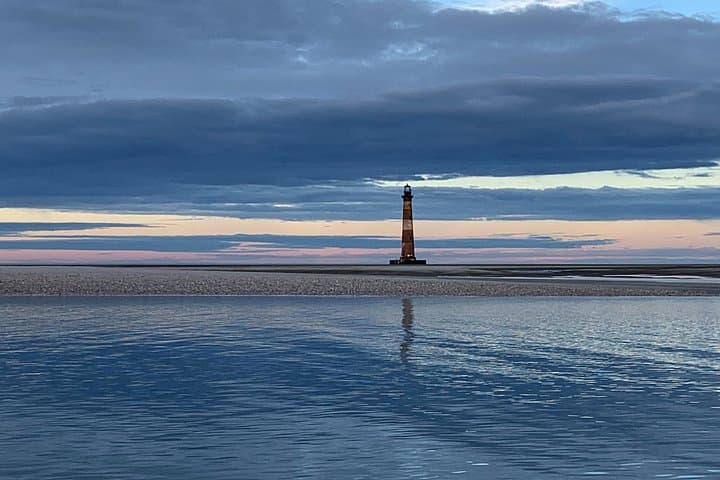
Morris Island’s iron-and-brick lighthouse, first lit in 1876, marks a narrowing of Charleston Harbor and a coastline shaped by tidal drift and storms. Geologically the island is a living sandbar: shifting dunes, exposed shell beds, and compacted Pleistocene deposits that occasionally yield fossil fragments and shark teeth. Culturally the area is tied to Charleston’s maritime history — the lighthouse, Civil War skirmishes nearby, and ongoing shellfishing in the sheltered creeks.
On this private three-hour run, expect 90–120 minutes on the sand to walk, search, or sit with the Atlantic as background. The beach is uninhabited, the lighthouse a solitary silhouette, and birdlife—herons, egrets, and shorebirds—claims the flats. The tide sets the experience: low tide reveals oyster racks and hunting ground; high tide narrows the walking zone.
Practical notes: arrive early to find the Folly Beach launch and follow captain instructions for boarding. Wear water-friendly shoes and sun protection, bring a dry bag for phones, and carry all trash back to the boat. Be prepared for wind off the ocean and uneven sand underfoot. Respect nesting zones and oyster beds; take only shells or teeth you can identify as drift finds. This trip balances calm wildlife viewing with hands-on beachcombing—simple, coastal, and reliably marine.
Swimming is possible but conditions vary; currents near the inlet can be strong—ask the captain about safe spots and avoid swimming alone.
No facilities are present; plan accordingly before departure from Folly Beach and be prepared for a sandy shore landing.
Morris Island is well-known for drifted shark teeth and fossil fragments, especially after storms and at low tide, but finds are never guaranteed.
Yes—this private excursion is family-friendly; infants must sit on a lap during the boat transfer and all passengers should be able to step on/off the vessel.
Morris Island Charters operates guided outdoor trips and adventures with an emphasis on safety, stewardship, and memorable experiences.
The boat slides out of the tidal creeks behind Folly Beach and the marsh opens like a slow-moving room. Saltgrass leans with the current; oyster beds glitter at low tide. Dolphins often cut through the inlet ahead, arcing through the channel as the captain eases toward the southern tip of Morris Island.
The boat slides out of the tidal creeks behind Folly Beach and the marsh opens like a slow-moving room. Saltgrass leans with the current; oyster beds glitter at low tide. Dolphins often cut through the inlet ahead, arcing through the channel as the captain eases toward the southern tip of Morris Island.
Morris Island’s iron-and-brick lighthouse, first lit in 1876, marks a narrowing of Charleston Harbor and a coastline shaped by tidal drift and storms. Geologically the island is a living sandbar: shifting dunes, exposed shell beds, and compacted Pleistocene deposits that occasionally yield fossil fragments and shark teeth. Culturally the area is tied to Charleston’s maritime history — the lighthouse, Civil War skirmishes nearby, and ongoing shellfishing in the sheltered creeks.
On this private three-hour run, expect 90–120 minutes on the sand to walk, search, or sit with the Atlantic as background. The beach is uninhabited, the lighthouse a solitary silhouette, and birdlife—herons, egrets, and shorebirds—claims the flats. The tide sets the experience: low tide reveals oyster racks and hunting ground; high tide narrows the walking zone.
Practical notes: arrive early to find the Folly Beach launch and follow captain instructions for boarding. Wear water-friendly shoes and sun protection, bring a dry bag for phones, and carry all trash back to the boat. Be prepared for wind off the ocean and uneven sand underfoot. Respect nesting zones and oyster beds; take only shells or teeth you can identify as drift finds. This trip balances calm wildlife viewing with hands-on beachcombing—simple, coastal, and reliably marine.