THE ADVENTURE COLLECTIVE® · Independent discovery and booking for outdoor travel

A private day trip from Tokyo to Mount Fuji and Lake Kawaguchiko delivers classic views, cultural stops like Chureito Pagoda, and lakeside walks. This tour balances easy sightseeing with short higher-altitude viewpoints—perfect for photographers and nature-lovers.
A private day trip from Tokyo to Mount Fuji and Lake Kawaguchiko delivers classic views, cultural stops like Chureito Pagoda, and lakeside walks. This tour balances easy sightseeing with short higher-altitude viewpoints—perfect for photographers and nature-lovers.
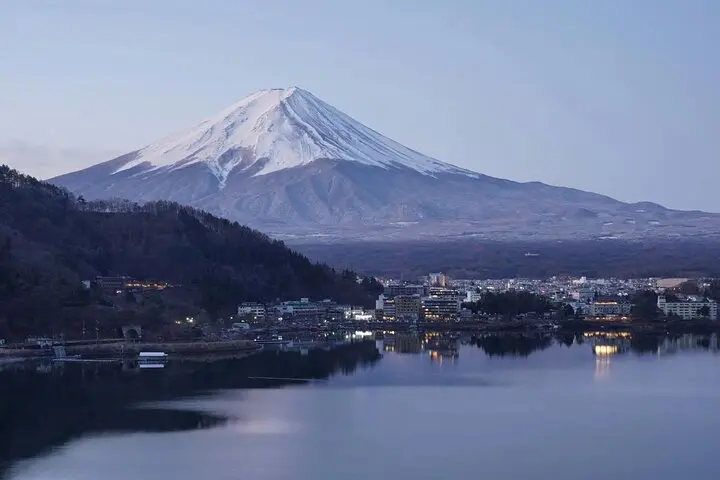
You arrive from Tokyo on a clear morning and the mountain appears like a slow reveal: first the cone, then the rim, then the snow-capped crown. The private drive towards Lake Kawaguchiko opens frames of water and fir forest, and every stopping point—Oshino Hakkai's spring ponds, the Chureito Pagoda, the Subaru Line 5th Station—feels like a calculated pause to study Fuji’s presence.
Verified experiences and guided adventures in the surrounding area.
Operated by Flygoldfinch · Fujikawaguchiko, Yamanashi Prefecture
You arrive from Tokyo on a clear morning and the mountain appears like a slow reveal: first the cone, then the rim, then the snow-capped crown. The private drive towards Lake Kawaguchiko opens frames of water and fir forest, and every stopping point—Oshino Hakkai's spring ponds, the Chureito Pagoda, the Subaru Line 5th Station—feels like a calculated pause to study Fuji’s presence.
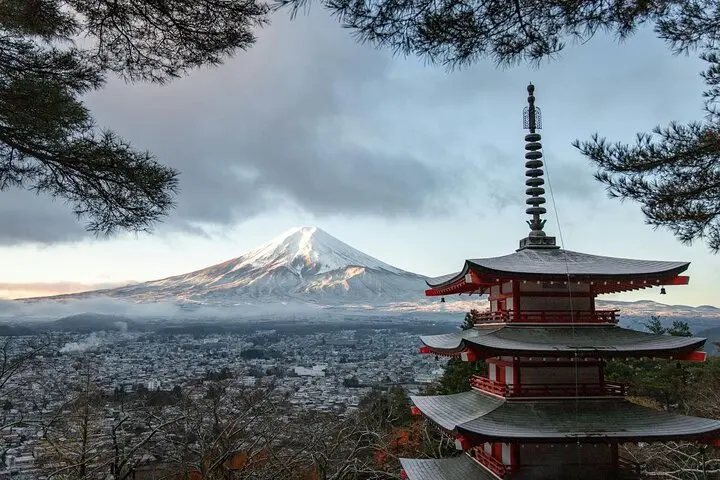
Geologically, Fuji is a young stratovolcano that last erupted in the early 18th century; the layering of lava and ash gives the slopes their steep, symmetrical profile. Culturally, Mt. Fuji has been a subject of pilgrimage, woodblock prints, and Shinto reverence—sites like Arakura Sengen Shrine and the Chureito Pagoda link modern visitors to those traditions while offering compositional views for photographers.
Expect varied terrain on this day trip: paved lakeshore promenades, village lanes at Oshino Hakkai, and higher-altitude observation points where the air thins around 2,300 meters at the 5th Station. The itinerary favors visual experiences—boat reflections on Kawaguchiko, landscaped paths in Oishi Park, and the pagoda’s stepped ascent—more than technical hiking.
Practically, plan for temperature swings (cool at the 5th Station), intermittent wind, and crowds at classic viewpoints. Bring layers, comfortable walking shoes, water, and a camera with a zoom; aim to visit early or late in the day for clearer skies and softer light. A private guide and vehicle make logistics simple—still, allow time for short walks and photo stops to get the most from Fuji’s changing face.
The private tour runs about 6 hours and typically includes private transport, a guide, stops at Kawaguchiko, Oishi Park, Oshino Hakkai, the 5th Station view, and Chureito Pagoda; specialized admissions or optional boat rides are extra.
Yes—the Subaru Line 5th Station is a common stop accessible by vehicle, offering high-altitude views; weather or road closures can affect access.
Yes—this private itinerary is flexible and can accommodate families and older travelers, though some short walks and steps are required; inform the operator of mobility needs when booking.
Autumn and winter often provide the clearest visibility due to lower humidity; spring and summer can be hazier, though mornings can still be excellent.
Flygoldfinch operates guided outdoor trips and adventures with an emphasis on safety, stewardship, and memorable experiences.
You arrive from Tokyo on a clear morning and the mountain appears like a slow reveal: first the cone, then the rim, then the snow-capped crown. The private drive towards Lake Kawaguchiko opens frames of water and fir forest, and every stopping point—Oshino Hakkai's spring ponds, the Chureito Pagoda, the Subaru Line 5th Station—feels like a calculated pause to study Fuji’s presence.
You arrive from Tokyo on a clear morning and the mountain appears like a slow reveal: first the cone, then the rim, then the snow-capped crown. The private drive towards Lake Kawaguchiko opens frames of water and fir forest, and every stopping point—Oshino Hakkai's spring ponds, the Chureito Pagoda, the Subaru Line 5th Station—feels like a calculated pause to study Fuji’s presence.
Geologically, Fuji is a young stratovolcano that last erupted in the early 18th century; the layering of lava and ash gives the slopes their steep, symmetrical profile. Culturally, Mt. Fuji has been a subject of pilgrimage, woodblock prints, and Shinto reverence—sites like Arakura Sengen Shrine and the Chureito Pagoda link modern visitors to those traditions while offering compositional views for photographers.
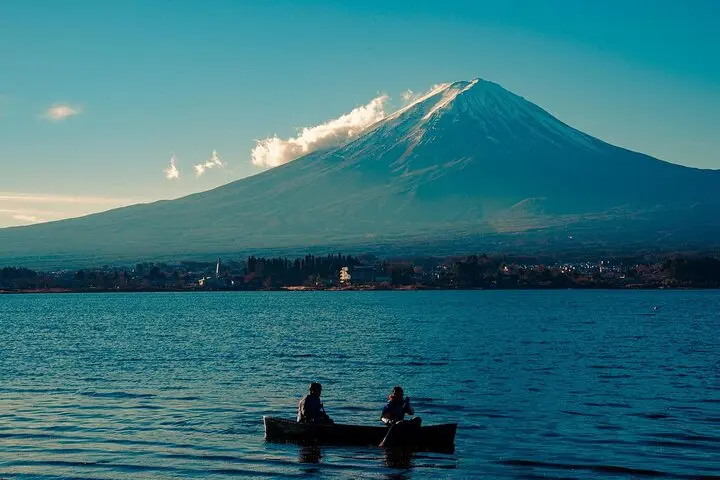
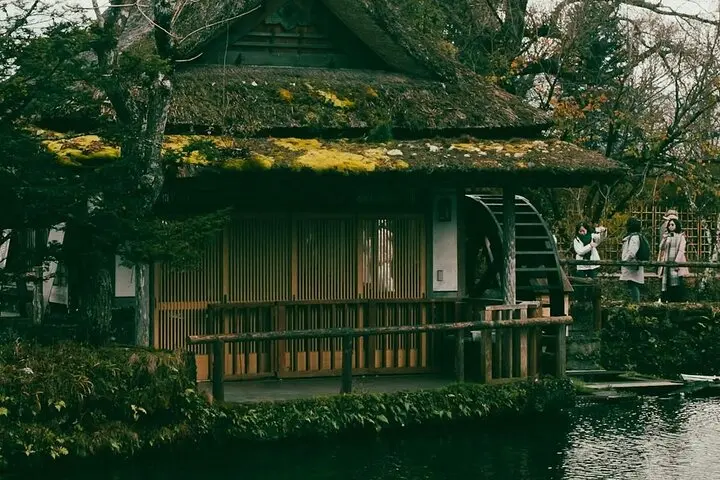
Expect varied terrain on this day trip: paved lakeshore promenades, village lanes at Oshino Hakkai, and higher-altitude observation points where the air thins around 2,300 meters at the 5th Station. The itinerary favors visual experiences—boat reflections on Kawaguchiko, landscaped paths in Oishi Park, and the pagoda’s stepped ascent—more than technical hiking.
Practically, plan for temperature swings (cool at the 5th Station), intermittent wind, and crowds at classic viewpoints. Bring layers, comfortable walking shoes, water, and a camera with a zoom; aim to visit early or late in the day for clearer skies and softer light. A private guide and vehicle make logistics simple—still, allow time for short walks and photo stops to get the most from Fuji’s changing face.