
Private Mount Fuji Day Trip from Tokyo: Chureito Pagoda, Lake Kawaguchi & Oshino Hakkai
Spend a private day from Tokyo exploring Mount Fuji’s classic viewpoints: Chureito Pagoda, Lake Kawaguchi, Oshino Hakkai and Kitaguchi Hongu Fuji Sengen Shrine. This driver-led itinerary combines easy walks, cultural sites and regional cuisine with flexible timing for photography.
An Adventure In Fujikawaguchiko (Lake Kawaguchi).
Spend a private day from Tokyo exploring Mount Fuji’s classic viewpoints: Chureito Pagoda, Lake Kawaguchi, Oshino Hakkai and Kitaguchi Hongu Fuji Sengen Shrine. This driver-led itinerary combines easy walks, cultural sites and regional cuisine with flexible timing for photography.
Read the full experience
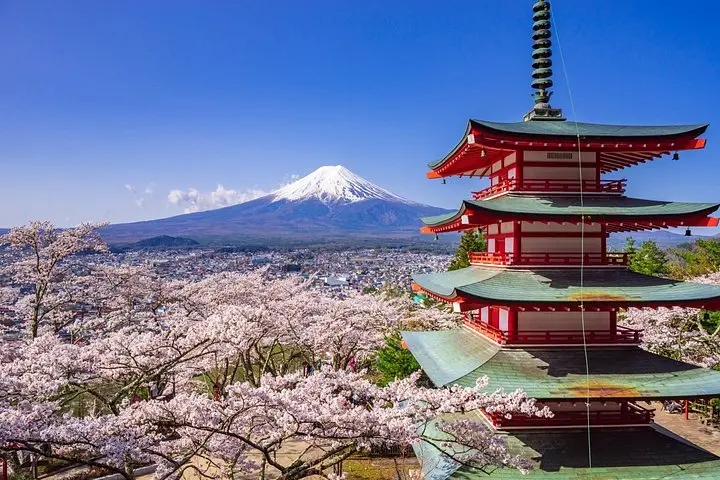
You leave Tokyo before dawn and the city’s geometry slides away, replaced by rising pines and wider sky. The first real view of Mount Fuji arrives at the top of nearly 400 stone steps to Chureito Pagoda — the red pagoda frames the mountain like a careful photograph while the trees around you quietly shift with the wind.
You leave Tokyo before dawn and the city’s geometry slides away, replaced by rising pines and wider sky. The first real view of Mount Fuji arrives at the top of nearly 400 stone steps to Chureito Pagoda — the red pagoda frames the mountain like a careful photograph while the trees around you quietly shift with the wind.
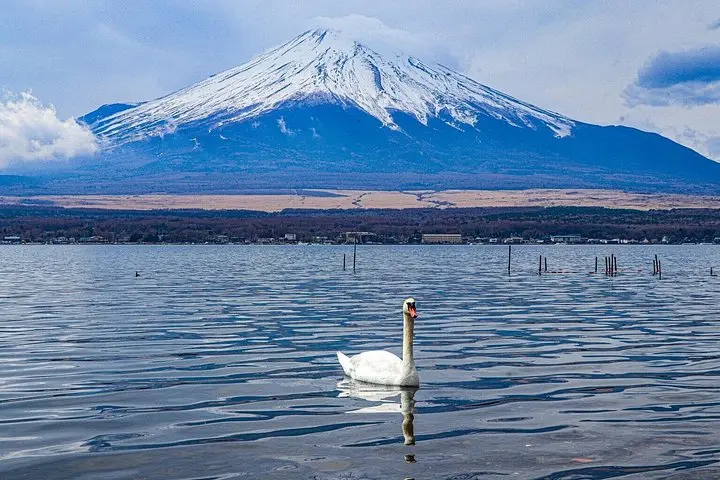
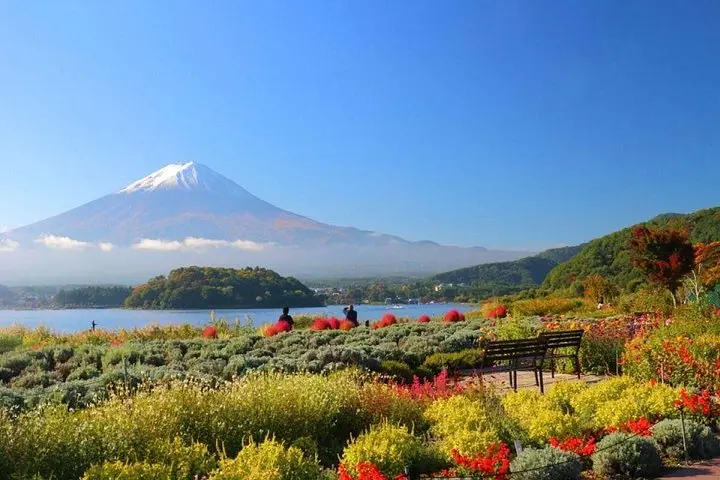
This route reads like a condensed guide to Fuji’s cultural landscape. Arakurayama Sengen Park carries the memory of pilgrims; its stairs and shrine mark the connection between town and mountain. Geologically, Fuji is a young stratovolcano capped with snow for much of the year, shaped by the 1707 Hōei eruption that left ash as far as Edo. Oishi Park along Lake Kawaguchi opens into broad water and seasonal flower beds — lavender in summer, crisp reflections in autumn — offering a low-effort shoreline walk and strong photo opportunities.
Oshino Hakkai’s eight spring-fed ponds become a practical lesson in volcanic filtration: meltwater filtered through lava yields startling clarity. Kitaguchi Hongu Fuji Sengen Shrine adds a layer of ritual; its ancient cedar avenues mark the old northern trail used by climbers for generations.
Practically, expect a 9–10 hour day with private transport and short guided walks at each stop. Dress in layers — mountain weather shifts fast — and bring cash for small vendors and shrine offerings. If visibility is poor, the itinerary still offers cultural stops and local food: sample Hōtō noodles lakeside to anchor the day. Early morning light and late-afternoon shadows give the most reliable photographic drama.
Frequently asked questions
Yes — private pickup and drop-off in Tokyo are included; confirm exact pickup location when you book.
No — this is a sightseeing day trip to viewpoints, lakes, villages and shrines around Mount Fuji, not a summit climb.
The driver adapts the itinerary: cultural stops, village ponds and shrine visits remain informative even when the summit is hidden by clouds.
Lunch is not included but the itinerary plans a lakeside stop for local specialties such as Hōtō; your driver can recommend or reserve a restaurant.
About This Experience
eXplore Nippon operates guided outdoor trips and adventures with an emphasis on safety, stewardship, and memorable experiences.
Adventure tips
Recommended gear
- Comfortable walking shoes: Needed for stairs, gravel paths and lakeside promenades.
- Layered outerwear: Mountain weather changes quickly—bring a breathable jacket and mid-layer.
- Camera or smartphone with extra battery: Sunrise and late-afternoon light offer the best views; you’ll want spare power.
- Cash (¥) and IC transit card: Useful for local vendors, shrine offerings, and small purchases where cards aren’t accepted.
Photos of the experience
Related adventures & guides
Read the full experience
You leave Tokyo before dawn and the city’s geometry slides away, replaced by rising pines and wider sky. The first real view of Mount Fuji arrives at the top of nearly 400 stone steps to Chureito Pagoda — the red pagoda frames the mountain like a careful photograph while the trees around you quietly shift with the wind.
You leave Tokyo before dawn and the city’s geometry slides away, replaced by rising pines and wider sky. The first real view of Mount Fuji arrives at the top of nearly 400 stone steps to Chureito Pagoda — the red pagoda frames the mountain like a careful photograph while the trees around you quietly shift with the wind.
This route reads like a condensed guide to Fuji’s cultural landscape. Arakurayama Sengen Park carries the memory of pilgrims; its stairs and shrine mark the connection between town and mountain. Geologically, Fuji is a young stratovolcano capped with snow for much of the year, shaped by the 1707 Hōei eruption that left ash as far as Edo. Oishi Park along Lake Kawaguchi opens into broad water and seasonal flower beds — lavender in summer, crisp reflections in autumn — offering a low-effort shoreline walk and strong photo opportunities.
Oshino Hakkai’s eight spring-fed ponds become a practical lesson in volcanic filtration: meltwater filtered through lava yields startling clarity. Kitaguchi Hongu Fuji Sengen Shrine adds a layer of ritual; its ancient cedar avenues mark the old northern trail used by climbers for generations.
Practically, expect a 9–10 hour day with private transport and short guided walks at each stop. Dress in layers — mountain weather shifts fast — and bring cash for small vendors and shrine offerings. If visibility is poor, the itinerary still offers cultural stops and local food: sample Hōtō noodles lakeside to anchor the day. Early morning light and late-afternoon shadows give the most reliable photographic drama.
Make a day of it nearby.
Verified experiences and guided adventures in the surrounding area.