THE ADVENTURE COLLECTIVE® · Independent discovery and booking for outdoor travel

Stand on the edge of a living geological story with a private, luxury day trip from Seattle to Johnston Ridge. See the 1980 blast zone, watch eruption footage, walk easy boardwalks, and photograph a mountain still reshaping itself.
Stand on the edge of a living geological story with a private, luxury day trip from Seattle to Johnston Ridge. See the 1980 blast zone, watch eruption footage, walk easy boardwalks, and photograph a mountain still reshaping itself.
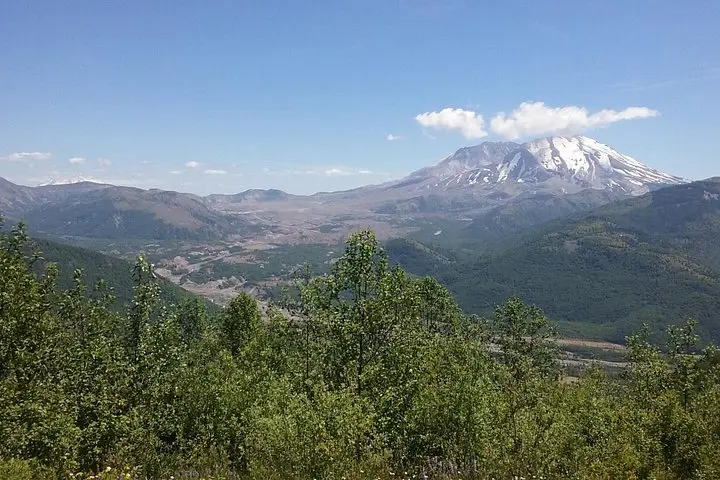
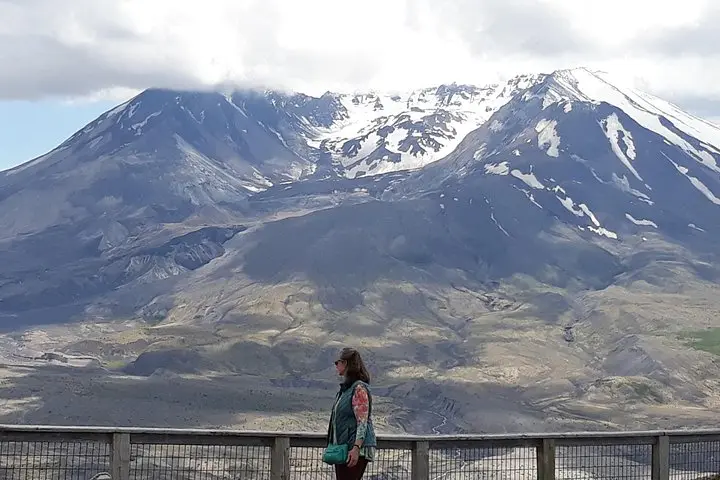
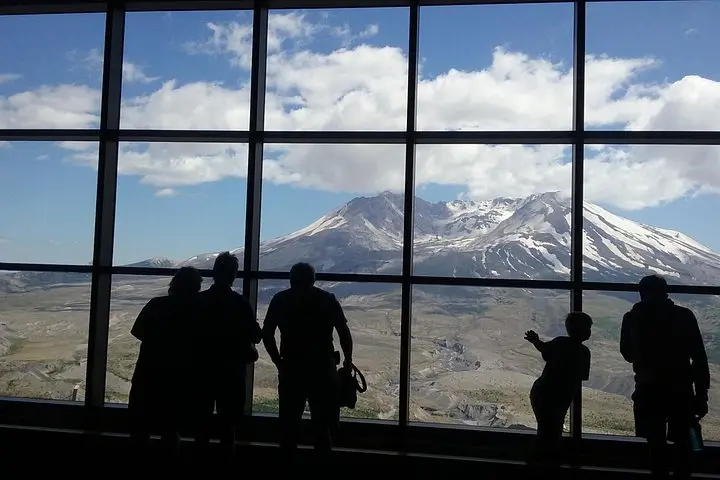
You step out of the van and the air feels different—thin, cool, and plain with ash-slick memory. Ahead, Mount St. Helens holds a ragged crown, its crater rim a raw scar that still steams on warm days. On this private day trip the landscape does most of the talking: pumice fields that seem to dare you to cross them, the new lakes winking where whole forests once stood, and the Johnston Ridge Observatory framed against the crater like an improvised balcony.
Verified experiences and guided adventures in the surrounding area.
Operated by Cheryl's Northwest Tours LLC · Castle Rock, Washington
You step out of the van and the air feels different—thin, cool, and plain with ash-slick memory. Ahead, Mount St. Helens holds a ragged crown, its crater rim a raw scar that still steams on warm days. On this private day trip the landscape does most of the talking: pumice fields that seem to dare you to cross them, the new lakes winking where whole forests once stood, and the Johnston Ridge Observatory framed against the crater like an improvised balcony.
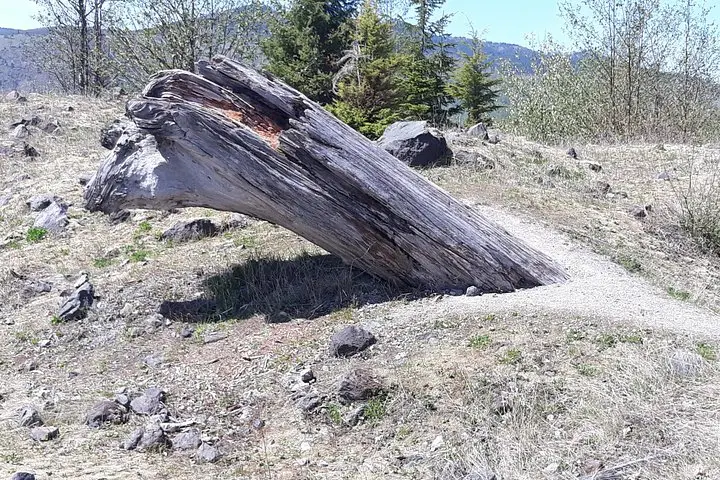
The story here is geological and recent. On May 18, 1980, a lateral blast leveled 230 square miles of forest and lowered the mountain’s summit by over a thousand feet. What you see now is a landscape in mid-recovery: pioneer plants patching gray soil, alder stands colonizing river terraces, and Coldwater Creek carving new channels through volcanic deposits. Johnston Ridge, created as a safe vantage and interpretive hub, sits at roughly 4,200 feet and is the best place to read the eruption’s pages—exhibits, short films, and boardwalks that bring you to the edge without pushing you off it.
Culturally, the blast changed local communities and landed tribes. The Toutle and Cowlitz areas still carry stories and stewardship practices that predate the eruption; today’s visitation is shaped by a mix of scientific curiosity and quiet respect for an active landscape.
Practically, this is a full 9-hour day from Seattle with about 4 hours spent at the Monument. Roads are paved but windy; weather can change fast. Walks at Johnston Ridge and the Coldwater Creek boardwalk are easy—flat, well-maintained paths suitable for most visitors—but expect pumice, uneven viewing areas, and occasional wind. Bring layers: a wind shell for exposed viewpoints, sturdy hiking shoes for short walks across coarse volcanic sand, and sunglasses—the glare from light-colored ash can be sharp.
Your guide will tailor the day: a short film on the eruption, crater overlooks, and options to extend into a 1–2 mile stretch of trail if you want to push a little further. Snacks and bottled water are included, but packing a personal water bottle and a substantial lunch is smart if you plan extra hiking. Photography thrives in morning and late afternoon light when shadows carve the slopes and steam shows against cooler air.
For visitors who want a premium, private experience: ask about flexible pickup points across Seattle, Bellevue, and airport locations, and plan for seasonal road closures—late winter and early spring snows can affect access. This trip is equal parts geology lesson and outdoor theater; it rewards curiosity, patience, and a readiness to witness a landscape still learning how to be itself again.
The trip is about 9 hours total from Seattle and includes visits to Johnston Ridge Observatory, interpretive films, crater viewpoints, boardwalk walks at Coldwater Creek, snacks, and bottled water.
Yes—most viewing areas and the Coldwater Creek boardwalk are accessible and the tour is suitable for a wide range of fitness levels; contact the operator for specific mobility needs.
You can see the crater from safe, designated overlooks at Johnston Ridge; guides will take you to the best viewpoints but there is no direct access into the crater for safety reasons.
Snacks and bottled water are included; plan to bring a packed lunch or arrange stops if you prefer a full meal during the day.
Weather can change quickly at elevation and seasonal snow or closures may affect access—confirm road conditions with your operator before departure.
No permits or special gear are required for the standard day visit; specialized activities like backcountry routes require additional planning and permits.
Cheryl's Northwest Tours LLC operates guided outdoor trips and adventures with an emphasis on safety, stewardship, and memorable experiences.
You step out of the van and the air feels different—thin, cool, and plain with ash-slick memory. Ahead, Mount St. Helens holds a ragged crown, its crater rim a raw scar that still steams on warm days. On this private day trip the landscape does most of the talking: pumice fields that seem to dare you to cross them, the new lakes winking where whole forests once stood, and the Johnston Ridge Observatory framed against the crater like an improvised balcony.
You step out of the van and the air feels different—thin, cool, and plain with ash-slick memory. Ahead, Mount St. Helens holds a ragged crown, its crater rim a raw scar that still steams on warm days. On this private day trip the landscape does most of the talking: pumice fields that seem to dare you to cross them, the new lakes winking where whole forests once stood, and the Johnston Ridge Observatory framed against the crater like an improvised balcony.
The story here is geological and recent. On May 18, 1980, a lateral blast leveled 230 square miles of forest and lowered the mountain’s summit by over a thousand feet. What you see now is a landscape in mid-recovery: pioneer plants patching gray soil, alder stands colonizing river terraces, and Coldwater Creek carving new channels through volcanic deposits. Johnston Ridge, created as a safe vantage and interpretive hub, sits at roughly 4,200 feet and is the best place to read the eruption’s pages—exhibits, short films, and boardwalks that bring you to the edge without pushing you off it.
Culturally, the blast changed local communities and landed tribes. The Toutle and Cowlitz areas still carry stories and stewardship practices that predate the eruption; today’s visitation is shaped by a mix of scientific curiosity and quiet respect for an active landscape.
Practically, this is a full 9-hour day from Seattle with about 4 hours spent at the Monument. Roads are paved but windy; weather can change fast. Walks at Johnston Ridge and the Coldwater Creek boardwalk are easy—flat, well-maintained paths suitable for most visitors—but expect pumice, uneven viewing areas, and occasional wind. Bring layers: a wind shell for exposed viewpoints, sturdy hiking shoes for short walks across coarse volcanic sand, and sunglasses—the glare from light-colored ash can be sharp.
Your guide will tailor the day: a short film on the eruption, crater overlooks, and options to extend into a 1–2 mile stretch of trail if you want to push a little further. Snacks and bottled water are included, but packing a personal water bottle and a substantial lunch is smart if you plan extra hiking. Photography thrives in morning and late afternoon light when shadows carve the slopes and steam shows against cooler air.
For visitors who want a premium, private experience: ask about flexible pickup points across Seattle, Bellevue, and airport locations, and plan for seasonal road closures—late winter and early spring snows can affect access. This trip is equal parts geology lesson and outdoor theater; it rewards curiosity, patience, and a readiness to witness a landscape still learning how to be itself again.