THE ADVENTURE COLLECTIVE® · Independent discovery and booking for outdoor travel

Drive into the raw aftermath of the 1980 eruption with a private, photo-focused tour from Portland. Short, interpretive stops at Silver Lake, Coldwater Lake and the Science Learning Center blend dramatic views with geology and recovery stories.
Drive into the raw aftermath of the 1980 eruption with a private, photo-focused tour from Portland. Short, interpretive stops at Silver Lake, Coldwater Lake and the Science Learning Center blend dramatic views with geology and recovery stories.
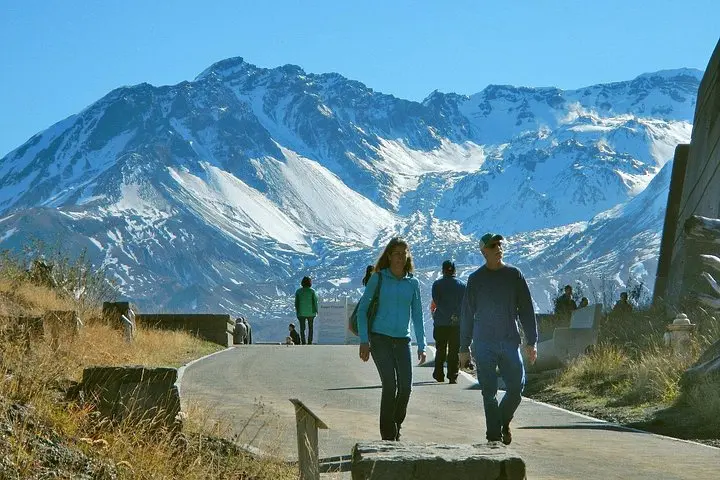
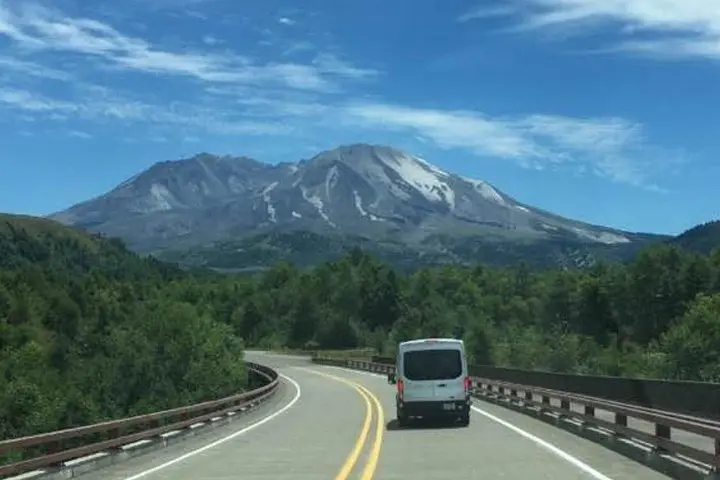
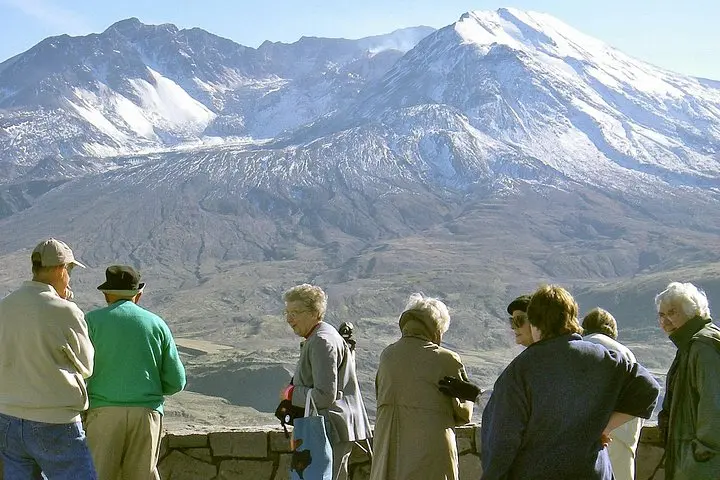
A low rumble lingers in the air as the tour vehicle climbs toward broad clearings where the forest gives way to open ash plains. Travelers step out onto wind-scrubbed ridges and the crater’s silhouette holds attention—Mount St. Helens remains a place that commands quiet observation. The route favors photo stops: Silver Lake mirrors the slopes, Coldwater Lake reveals floating logs displaced by the blast, and the Science and Learning Center lays out the eruption’s story with tactile displays.
Verified experiences and guided adventures in the surrounding area.
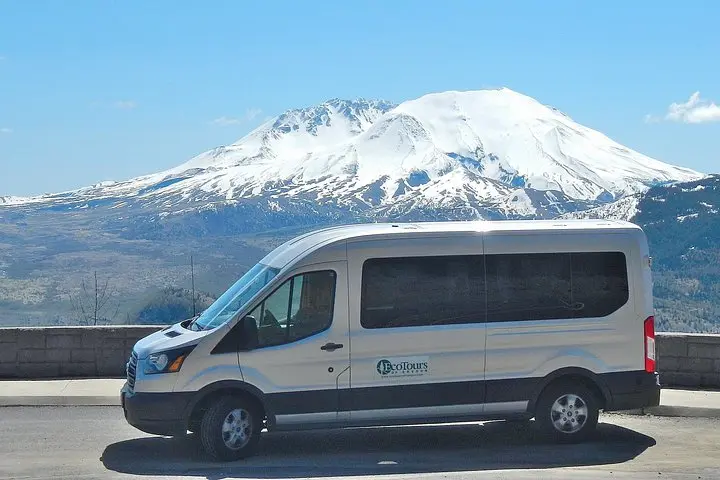
Operated by EcoTours of Oregon Day Tours / Pinot Patrol Wine Tours · Toutle, Washington
A low rumble lingers in the air as the tour vehicle climbs toward broad clearings where the forest gives way to open ash plains. Travelers step out onto wind-scrubbed ridges and the crater’s silhouette holds attention—Mount St. Helens remains a place that commands quiet observation. The route favors photo stops: Silver Lake mirrors the slopes, Coldwater Lake reveals floating logs displaced by the blast, and the Science and Learning Center lays out the eruption’s story with tactile displays.
The 1980 eruption reshaped the landscape in minutes, creating a blast zone that cleared forests, sent lahars downriver, and left a crater that continues to evolve. Geologically, this is a live volcanic system on the Cascades arc—pyroclastic deposits, tephra layers and lahars are visible evidence of past energy. Locally, communities rebuilt timber and recreation economies, and the area now mixes scientific monitoring with outdoor access.
Expect easy, guided stops rather than strenuous hiking: short walks across uneven, often coarse volcanic sand and boardwalks at interpretive sites. Bring sun protection and a windproof layer; weather can flip rapidly at elevation. Photography is a primary activity—arrive with charged batteries and varied lenses. Respect closed zones; many slopes are still regenerating and are monitored for safety.
This private excursion is geared for visitors who want context as well as views—history, geology and the slow work of ecological recovery are part of the itinerary alongside reliable photo vantage points and the Science Learning Center visit.
This private tour typically starts with a Portland pickup (within roughly 30 minutes) and returns to the same general pickup area at the end of the day.
Walking is minimal—most stops involve short, interpretive strolls of 10–30 minutes on uneven ground and boardwalks.
Yes; the itinerary includes entrance to the Science and Learning Center as a scheduled stop.
Mount St. Helens is monitored continuously; the tour stays in established viewing and interpretive areas and follows current safety advisories and closures.
EcoTours of Oregon Day Tours / Pinot Patrol Wine Tours operates guided outdoor trips and adventures with an emphasis on safety, stewardship, and memorable experiences.
A low rumble lingers in the air as the tour vehicle climbs toward broad clearings where the forest gives way to open ash plains. Travelers step out onto wind-scrubbed ridges and the crater’s silhouette holds attention—Mount St. Helens remains a place that commands quiet observation. The route favors photo stops: Silver Lake mirrors the slopes, Coldwater Lake reveals floating logs displaced by the blast, and the Science and Learning Center lays out the eruption’s story with tactile displays.
A low rumble lingers in the air as the tour vehicle climbs toward broad clearings where the forest gives way to open ash plains. Travelers step out onto wind-scrubbed ridges and the crater’s silhouette holds attention—Mount St. Helens remains a place that commands quiet observation. The route favors photo stops: Silver Lake mirrors the slopes, Coldwater Lake reveals floating logs displaced by the blast, and the Science and Learning Center lays out the eruption’s story with tactile displays.
The 1980 eruption reshaped the landscape in minutes, creating a blast zone that cleared forests, sent lahars downriver, and left a crater that continues to evolve. Geologically, this is a live volcanic system on the Cascades arc—pyroclastic deposits, tephra layers and lahars are visible evidence of past energy. Locally, communities rebuilt timber and recreation economies, and the area now mixes scientific monitoring with outdoor access.
Expect easy, guided stops rather than strenuous hiking: short walks across uneven, often coarse volcanic sand and boardwalks at interpretive sites. Bring sun protection and a windproof layer; weather can flip rapidly at elevation. Photography is a primary activity—arrive with charged batteries and varied lenses. Respect closed zones; many slopes are still regenerating and are monitored for safety.
This private excursion is geared for visitors who want context as well as views—history, geology and the slow work of ecological recovery are part of the itinerary alongside reliable photo vantage points and the Science Learning Center visit.