THE ADVENTURE COLLECTIVE® · Independent discovery and booking for outdoor travel

A private, full-day drive from Tokyo that pairs Mount Fuji’s reflective lakes and shrine vistas with Hakone’s ropeway panoramas and volcanic steam. This English-speaking, door-to-door tour balances iconic photo ops with local stories and flexible timing.
A private, full-day drive from Tokyo that pairs Mount Fuji’s reflective lakes and shrine vistas with Hakone’s ropeway panoramas and volcanic steam. This English-speaking, door-to-door tour balances iconic photo ops with local stories and flexible timing.
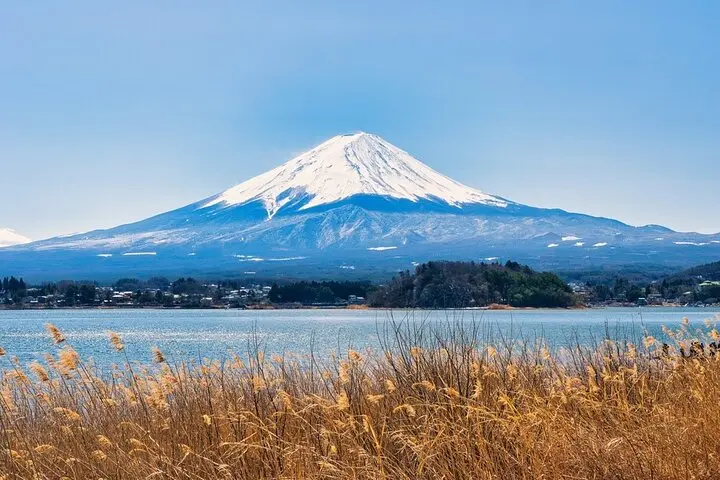
The day begins before most hotels stir: Tokyo melts behind you and an open highway draws a quiet line toward Fuji’s silhouette. You arrive at a roadside viewing platform as sunlight pries open the mountain’s shadows; steam from Hakone’s volcanic fields hangs low in the valley like a giant’s breath. The pace is private and deliberate — this is a tailor-made day that stitches together the lake reflections, shrine gateways and ropeway panoramas that make central Honshu feel simultaneously intimate and vast.
Verified experiences and guided adventures in the surrounding area.
Operated by JP Tours and Travels · Fujikawaguchiko, Yamanashi
The day begins before most hotels stir: Tokyo melts behind you and an open highway draws a quiet line toward Fuji’s silhouette. You arrive at a roadside viewing platform as sunlight pries open the mountain’s shadows; steam from Hakone’s volcanic fields hangs low in the valley like a giant’s breath. The pace is private and deliberate — this is a tailor-made day that stitches together the lake reflections, shrine gateways and ropeway panoramas that make central Honshu feel simultaneously intimate and vast.
The itinerary threads together two very different geologies and histories. Mount Fuji, an active stratovolcano, has been worshipped for centuries — pilgrims scaled its flanks long before it became a global emblem of Japan. Hakone sits on the rim of a much older caldera; fumaroles and hot springs are reminders of subterranean heat that shaped lakes and valleys. Cultural layers are visible everywhere: Chureito Pagoda’s clean lines that frame Fuji, Edo-period checkpoints along ancient routes, and the torii of Hakone Shrine standing half-submerged against Lake Ashi’s wind-ruffled mirror.
Expect a mix of gentle exertion and easy access: short stair climbs to viewpoints (Chureito involves several hundred steps), flat walking at Oishi Park along Lake Kawaguchiko’s shore, and a cable-car-like ascension on the Hakone Ropeway that takes you several hundred metres above volcanic craters. The private-driver format gives flexibility — linger for reflection at a shrine, or shorten a stop if clouds roll across Fuji.
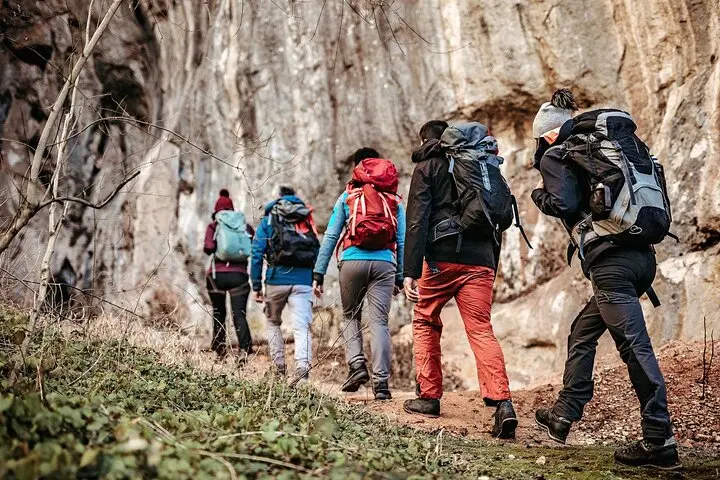
Practicalities matter. The full-day tour lasts roughly 5–6 hours door-to-door from central Tokyo pickup; bring a lightweight pack for water, layers and a camera. Footwear should be sturdy enough for uneven trails and park paths but not heavy-duty mountaineering boots. Weather shifts rapidly at elevation: mornings can be crisp and clear, afternoons fogged in. Cash is useful at small stalls (black eggs in Owakudani are a local novelty) and for some shrine offerings. Onsen etiquette matters in Hakone — tattoos can limit access and many baths require a quick shower before soaking.
For photographers and planners: the clearest Fuji frames come early — reflection shots on Kawaguchiko are best in calm morning air or late afternoon light; ropeway panoramas peak on clear days. Respect local conservation: stay on paths, carry out waste, and avoid feeding wildlife. The result is a compact, layered day where geology nudges culture and every stop feels chosen — not rushed — so you can return with images, context and a better sense of why this corner of Japan draws people back again and again.
Yes — the tour provides hotel pickup anywhere in Tokyo; confirm your pickup point when booking.
Entrance fees for attractions like the Mt. Fuji Visitor Center and Hakone Ropeway are included per the itinerary details, but small extras and snacks are not.
Yes — the driver speaks English and can provide local insights, but note this is not a licensed walking guide for extended hikes.
Private format offers flexibility — you can request more time at certain stops, subject to the tour duration and traffic conditions.
Tours operate in light rain; if severe weather forces cancellation, follow the supplier’s refund policy (full refund if cancelled at least 24 hours prior is standard).
Yes — strollers are possible for flat areas; however, some viewpoints require stairs and brief walking on uneven ground.
JP Tours and Travels operates guided outdoor trips and adventures with an emphasis on safety, stewardship, and memorable experiences.

The day begins before most hotels stir: Tokyo melts behind you and an open highway draws a quiet line toward Fuji’s silhouette. You arrive at a roadside viewing platform as sunlight pries open the mountain’s shadows; steam from Hakone’s volcanic fields hangs low in the valley like a giant’s breath. The pace is private and deliberate — this is a tailor-made day that stitches together the lake reflections, shrine gateways and ropeway panoramas that make central Honshu feel simultaneously intimate and vast.
The day begins before most hotels stir: Tokyo melts behind you and an open highway draws a quiet line toward Fuji’s silhouette. You arrive at a roadside viewing platform as sunlight pries open the mountain’s shadows; steam from Hakone’s volcanic fields hangs low in the valley like a giant’s breath. The pace is private and deliberate — this is a tailor-made day that stitches together the lake reflections, shrine gateways and ropeway panoramas that make central Honshu feel simultaneously intimate and vast.
The itinerary threads together two very different geologies and histories. Mount Fuji, an active stratovolcano, has been worshipped for centuries — pilgrims scaled its flanks long before it became a global emblem of Japan. Hakone sits on the rim of a much older caldera; fumaroles and hot springs are reminders of subterranean heat that shaped lakes and valleys. Cultural layers are visible everywhere: Chureito Pagoda’s clean lines that frame Fuji, Edo-period checkpoints along ancient routes, and the torii of Hakone Shrine standing half-submerged against Lake Ashi’s wind-ruffled mirror.
Expect a mix of gentle exertion and easy access: short stair climbs to viewpoints (Chureito involves several hundred steps), flat walking at Oishi Park along Lake Kawaguchiko’s shore, and a cable-car-like ascension on the Hakone Ropeway that takes you several hundred metres above volcanic craters. The private-driver format gives flexibility — linger for reflection at a shrine, or shorten a stop if clouds roll across Fuji.
Practicalities matter. The full-day tour lasts roughly 5–6 hours door-to-door from central Tokyo pickup; bring a lightweight pack for water, layers and a camera. Footwear should be sturdy enough for uneven trails and park paths but not heavy-duty mountaineering boots. Weather shifts rapidly at elevation: mornings can be crisp and clear, afternoons fogged in. Cash is useful at small stalls (black eggs in Owakudani are a local novelty) and for some shrine offerings. Onsen etiquette matters in Hakone — tattoos can limit access and many baths require a quick shower before soaking.
For photographers and planners: the clearest Fuji frames come early — reflection shots on Kawaguchiko are best in calm morning air or late afternoon light; ropeway panoramas peak on clear days. Respect local conservation: stay on paths, carry out waste, and avoid feeding wildlife. The result is a compact, layered day where geology nudges culture and every stop feels chosen — not rushed — so you can return with images, context and a better sense of why this corner of Japan draws people back again and again.