THE ADVENTURE COLLECTIVE® · Independent discovery and booking for outdoor travel

Spend a day exploring the Fuji Five Lakes region with a local guide who tailors the route to weather and interest. Ideal for travelers who want sweeping views, shrines, and short walks around Mt. Fuji without climbing to the summit.
Spend a day exploring the Fuji Five Lakes region with a local guide who tailors the route to weather and interest. Ideal for travelers who want sweeping views, shrines, and short walks around Mt. Fuji without climbing to the summit.
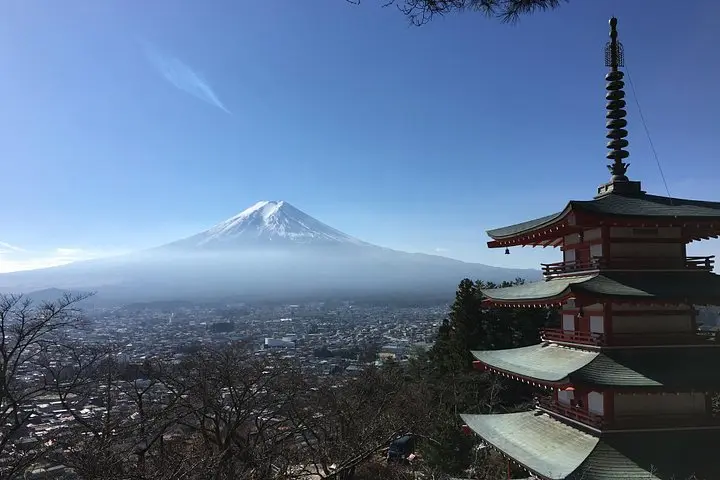
A morning at Kawaguchiko begins with the lake glassy and the mountain looming beyond, a slow, massive presence that seems to watch the day. On this private, customizable seven- to twelve-hour tour, a local guide leads small groups through the Fuji Five Lakes corridor — vantage points, shrines, and village scenes chosen to match weather and interest.
Verified experiences and guided adventures in the surrounding area.
Operated by Japan Wonder Travel · Fujikawaguchiko, Yamanashi
A morning at Kawaguchiko begins with the lake glassy and the mountain looming beyond, a slow, massive presence that seems to watch the day. On this private, customizable seven- to twelve-hour tour, a local guide leads small groups through the Fuji Five Lakes corridor — vantage points, shrines, and village scenes chosen to match weather and interest.
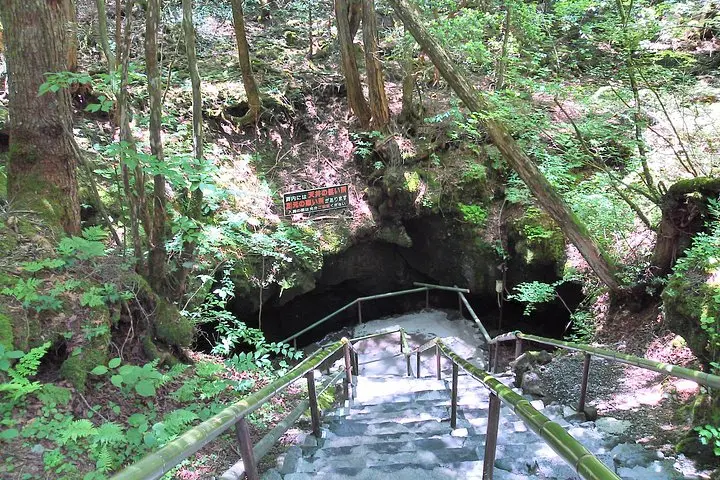
The region grew around volcanic activity tied to Mount Fuji’s eruptions over tens of thousands of years; the lakes themselves occupy basins formed by lava and pyroclastic flows. Along the route travelers encounter shrines where pilgrims once gathered, teahouses that reflect local methods of preserving green tea, and fruit farms that have supplied the area for generations.
Culturally, the band of towns around Lake Kawaguchi mixes tourism infrastructure with rural life: wooden houses, ryokans, and museums such as the Kawaguchiko Music Forest that celebrate Meiji and Taisho-era tastes. Geology and weather determine the show — clouds can hide Fuji in minutes, while clear air reveals perfect symmetries and glacial-era terraces below the summit.
Practically, expect 6–12 km of walking spread across easy to moderate terrain, short drives by public bus, and stops for photography, tea, or light hikes. Visibility is the deciding factor; guides adjust the itinerary on the fly to prioritize views or cultural stops. Bring layered clothing, comfortable walking shoes, a charged camera, and cash for small admission fees. Note that tipping is not customary in Japan; favorable feedback and punctuality are appreciated. This tour suits travelers who want Fuji’s landscape and culture without an ascent.
No — this tour focuses on sightseeing around the Fuji Five Lakes area, cultural sites, and accessible viewpoints rather than a summit ascent.
Tours are private for your booking and can include up to eight guests, allowing the guide to customize stops based on group interests.
Guides adjust the itinerary to emphasize cultural sites, museums, farm visits, or rural villages when weather hides the mountain.
The meeting point is Kawaguchiko Station; most tours return there at the end of the day for trains and buses back to Tokyo.
Japan Wonder Travel operates guided outdoor trips and adventures with an emphasis on safety, stewardship, and memorable experiences.
A morning at Kawaguchiko begins with the lake glassy and the mountain looming beyond, a slow, massive presence that seems to watch the day. On this private, customizable seven- to twelve-hour tour, a local guide leads small groups through the Fuji Five Lakes corridor — vantage points, shrines, and village scenes chosen to match weather and interest.
A morning at Kawaguchiko begins with the lake glassy and the mountain looming beyond, a slow, massive presence that seems to watch the day. On this private, customizable seven- to twelve-hour tour, a local guide leads small groups through the Fuji Five Lakes corridor — vantage points, shrines, and village scenes chosen to match weather and interest.
The region grew around volcanic activity tied to Mount Fuji’s eruptions over tens of thousands of years; the lakes themselves occupy basins formed by lava and pyroclastic flows. Along the route travelers encounter shrines where pilgrims once gathered, teahouses that reflect local methods of preserving green tea, and fruit farms that have supplied the area for generations.
Culturally, the band of towns around Lake Kawaguchi mixes tourism infrastructure with rural life: wooden houses, ryokans, and museums such as the Kawaguchiko Music Forest that celebrate Meiji and Taisho-era tastes. Geology and weather determine the show — clouds can hide Fuji in minutes, while clear air reveals perfect symmetries and glacial-era terraces below the summit.
Practically, expect 6–12 km of walking spread across easy to moderate terrain, short drives by public bus, and stops for photography, tea, or light hikes. Visibility is the deciding factor; guides adjust the itinerary on the fly to prioritize views or cultural stops. Bring layered clothing, comfortable walking shoes, a charged camera, and cash for small admission fees. Note that tipping is not customary in Japan; favorable feedback and punctuality are appreciated. This tour suits travelers who want Fuji’s landscape and culture without an ascent.