THE ADVENTURE COLLECTIVE® · Independent discovery and booking for outdoor travel

Escape Tokyo for a private day around Mt. Fuji—Lake Kawaguchi reflections, a cable‑car panorama, a climb to Chureito Pagoda, and local food stops. This customizable tour pairs classic viewpoints with practical logistics for a relaxed, full‑day experience.
Escape Tokyo for a private day around Mt. Fuji—Lake Kawaguchi reflections, a cable‑car panorama, a climb to Chureito Pagoda, and local food stops. This customizable tour pairs classic viewpoints with practical logistics for a relaxed, full‑day experience.
You step into a quiet air-conditioned van before dawn and Tokyo slides behind you—rice paddies and cedar copses take over, and the cone of Mt. Fuji slowly asserts itself above the horizon.
Verified experiences and guided adventures in the surrounding area.
Operated by DreamsEscape · Fujikawaguchiko, Yamanashi Prefecture
You step into a quiet air-conditioned van before dawn and Tokyo slides behind you—rice paddies and cedar copses take over, and the cone of Mt. Fuji slowly asserts itself above the horizon.
From the glassy sweep of Lake Kawaguchi to the tiered silhouette of Chureito Pagoda, the day is built around vantage points: a short cable‑car ascent for a broad panorama, a 398‑step climb to a famous pagoda that rewards steady breathing and a steady camera hand, and a gentle boat ride that dares the lake’s surface to hold a perfect reflection. Geologically, Fuji is a young stratovolcano capped by lava and ash from its last major eruption in 1707; its clean lines dominate the local skyline and have shaped settlements, watercourses, and pilgrimage paths for centuries.
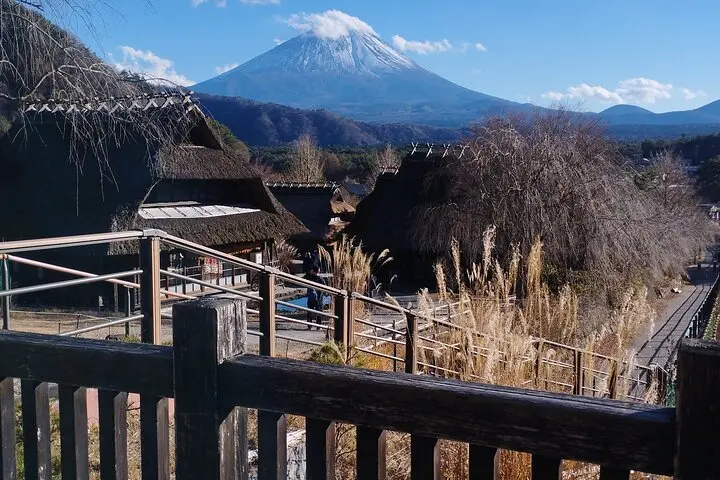
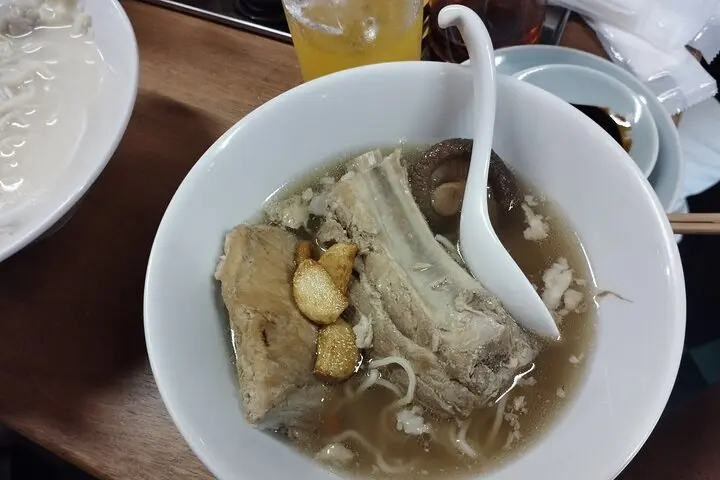
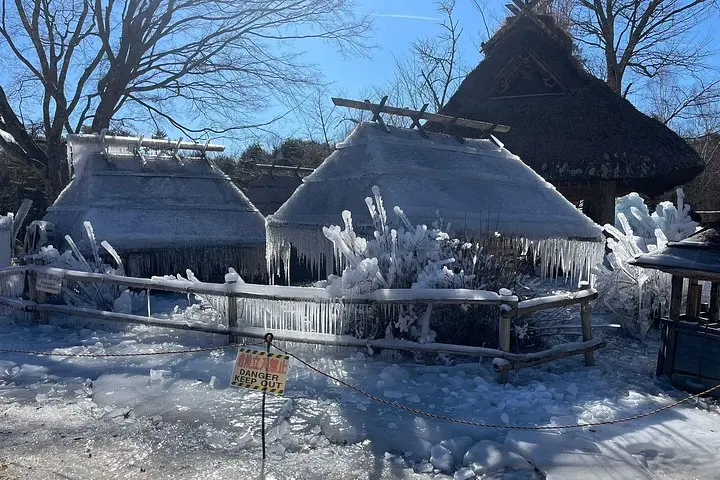
Culturally, the area mixes Shinto and rural farming history—small shrines, wooden farmhouses and a living museum that explains traditional rice cultivation. Local food stalls around the lakeshore make for easy tasting stops: grilled mochi, freshwater fish, and savory noodles.
Practical guidance: this is a long, full day (about 10 hours) with easy walking punctuated by uphill steps and brief rides; bring layered clothing, sun protection, and comfortable footwear. Cable‑car and boat fees are usually modest and not always included—carry cash for small purchases. The private format makes the itinerary flexible, but visibility depends on weather: clear mornings in late autumn and winter offer the sharpest Fuji views. Plan pickup in Tokyo and expect return by evening.
Most cable‑car and boat fees are paid on site; the private driver handles logistics but it’s wise to carry small cash for tickets and museum admissions.
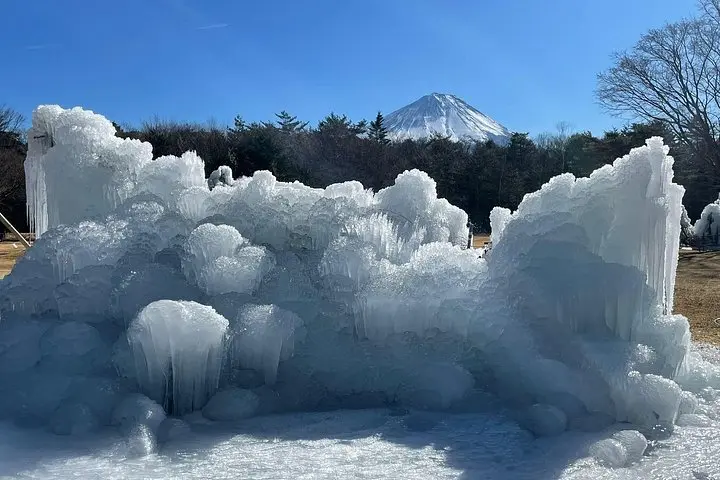
Yes—each season offers different views: winter delivers crisp summit views, spring has cherry blossoms near pagodas, and autumn brings colorful foliage; heavy fog or rain days may obscure the mountain.
The vehicle and many lakeshore stops are accessible, but Chureito Pagoda requires stairs; discuss mobility needs with the operator at booking for tailored routing.
One‑way drive time is roughly 2–2.5 hours depending on traffic; a full itinerary including multiple stops runs about 10 hours round trip.
DreamsEscape operates guided outdoor trips and adventures with an emphasis on safety, stewardship, and memorable experiences.
You step into a quiet air-conditioned van before dawn and Tokyo slides behind you—rice paddies and cedar copses take over, and the cone of Mt. Fuji slowly asserts itself above the horizon.
You step into a quiet air-conditioned van before dawn and Tokyo slides behind you—rice paddies and cedar copses take over, and the cone of Mt. Fuji slowly asserts itself above the horizon.
From the glassy sweep of Lake Kawaguchi to the tiered silhouette of Chureito Pagoda, the day is built around vantage points: a short cable‑car ascent for a broad panorama, a 398‑step climb to a famous pagoda that rewards steady breathing and a steady camera hand, and a gentle boat ride that dares the lake’s surface to hold a perfect reflection. Geologically, Fuji is a young stratovolcano capped by lava and ash from its last major eruption in 1707; its clean lines dominate the local skyline and have shaped settlements, watercourses, and pilgrimage paths for centuries.
Culturally, the area mixes Shinto and rural farming history—small shrines, wooden farmhouses and a living museum that explains traditional rice cultivation. Local food stalls around the lakeshore make for easy tasting stops: grilled mochi, freshwater fish, and savory noodles.
Practical guidance: this is a long, full day (about 10 hours) with easy walking punctuated by uphill steps and brief rides; bring layered clothing, sun protection, and comfortable footwear. Cable‑car and boat fees are usually modest and not always included—carry cash for small purchases. The private format makes the itinerary flexible, but visibility depends on weather: clear mornings in late autumn and winter offer the sharpest Fuji views. Plan pickup in Tokyo and expect return by evening.