THE ADVENTURE COLLECTIVE® · Independent discovery and booking for outdoor travel

Spend a flexible day with an English-speaking driver exploring Mount Fuji’s vantage points and Hakone’s volcanic lakes. This private tour mixes short hikes, lakeside views, cultural stops, and geothermal sights—ideal for travelers who want control over timing and photo opportunities.
Spend a flexible day with an English-speaking driver exploring Mount Fuji’s vantage points and Hakone’s volcanic lakes. This private tour mixes short hikes, lakeside views, cultural stops, and geothermal sights—ideal for travelers who want control over timing and photo opportunities.
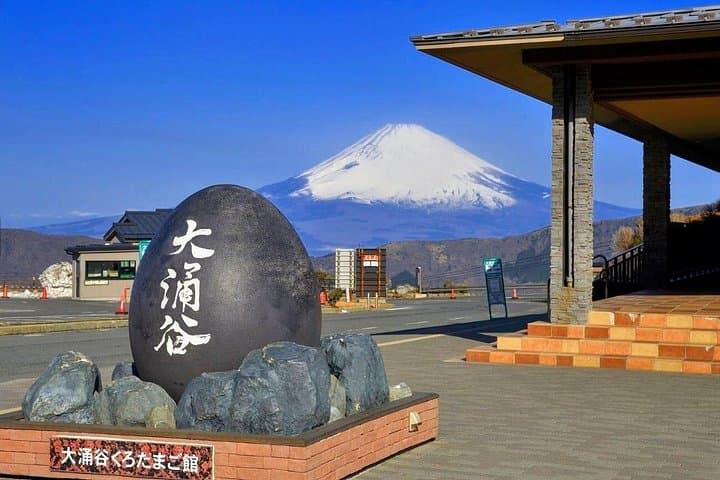
You step into a low-slung van and the road unspools toward the mountain: Mount Fuji sits ahead like a slow-moving storm—white cap, broad shoulders—while roadside pines and lakesides slide past the window. The driver knows the angles: where sunrise splits the summit, where Owakudani's steam will fog your lenses, and which lakeside bench frames the best reflected Fuji.
Verified experiences and guided adventures in the surrounding area.
Operated by Yujin Group Co., Ltd. · Hakone, Kanagawa
You step into a low-slung van and the road unspools toward the mountain: Mount Fuji sits ahead like a slow-moving storm—white cap, broad shoulders—while roadside pines and lakesides slide past the window. The driver knows the angles: where sunrise splits the summit, where Owakudani's steam will fog your lenses, and which lakeside bench frames the best reflected Fuji.
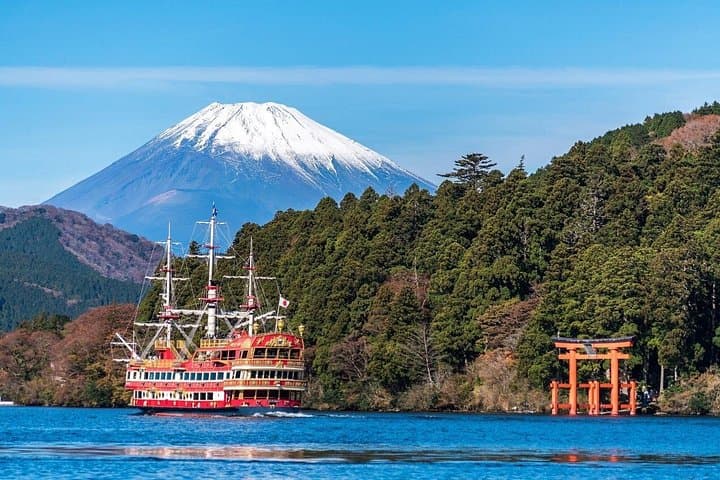
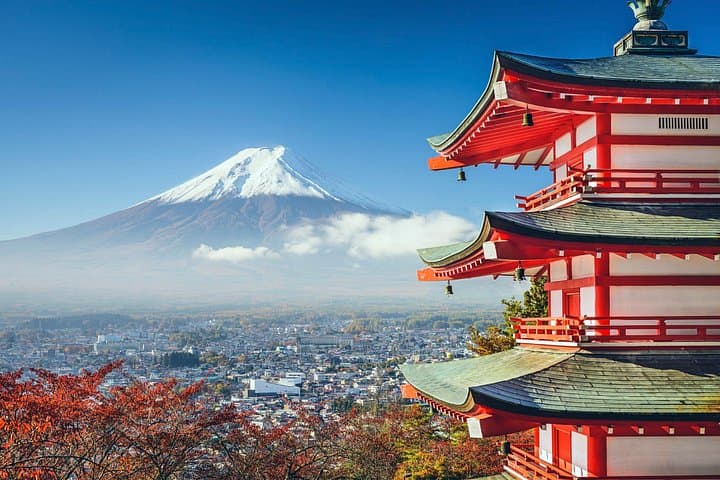
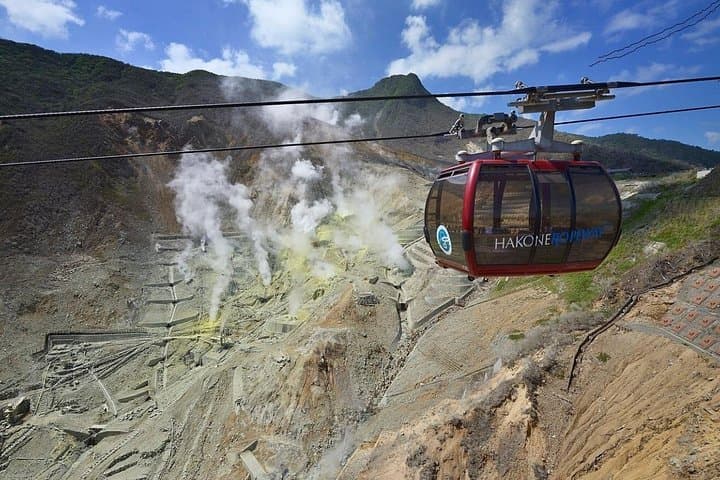
This one-day private loop blends natural history and human story. Fuji is a stratovolcano formed over millennia of eruptions; its slopes feed spring ponds in Oshino Hakkai. Hakone's peat-and-steam landscape is younger—volcanic vents at Owakudani still hiss sulfur. Cultural notes arrive between views: Chureito Pagoda’s tiered silhouette was erected in the 1960s as a war memorial, and Hakone Shrine’s torii marks centuries of pilgrimage along the Tokaido.
Expect a mix of short walks, viewpoint stops, museum visits, and a lakeside cruise—most stops allow 30–90 minutes. You’ll move from paved promenades to gravel trails and stepped shrine approaches; footwear with grip matters. Midday light, water vapor, and weather can hide the summit—flexibility is part of the plan.
Practical tips: start early from Tokyo to beat traffic and clouds; carry layers for wind and sulfur-scented air at Owakudani; bring cash for small shrine offerings and local snacks; keep time for the ropeway if you want steam vents up close. This private format gives control: linger for photos or skip a stop—either way, the mountain sets the pace.
Pickup is typically arranged from central Tokyo hotels or agreed meeting points; confirm your exact pickup when you book.
Most viewpoint stops and outdoor sites are included, but museum admissions, ropeway fees, cruises, and some shrine donations are usually extra—check your booking details.
The vehicle is wheelchair-accessible in many cases, but some viewpoints and shrine approaches have steps—discuss mobility needs with the operator before booking.
Yes—private format allows swapping stops, extending time at particular sites, or focusing on photography, culture, or hot springs subject to time and entrance schedules.
Yujin Group Co., Ltd. operates guided outdoor trips and adventures with an emphasis on safety, stewardship, and memorable experiences.
You step into a low-slung van and the road unspools toward the mountain: Mount Fuji sits ahead like a slow-moving storm—white cap, broad shoulders—while roadside pines and lakesides slide past the window. The driver knows the angles: where sunrise splits the summit, where Owakudani's steam will fog your lenses, and which lakeside bench frames the best reflected Fuji.
You step into a low-slung van and the road unspools toward the mountain: Mount Fuji sits ahead like a slow-moving storm—white cap, broad shoulders—while roadside pines and lakesides slide past the window. The driver knows the angles: where sunrise splits the summit, where Owakudani's steam will fog your lenses, and which lakeside bench frames the best reflected Fuji.
This one-day private loop blends natural history and human story. Fuji is a stratovolcano formed over millennia of eruptions; its slopes feed spring ponds in Oshino Hakkai. Hakone's peat-and-steam landscape is younger—volcanic vents at Owakudani still hiss sulfur. Cultural notes arrive between views: Chureito Pagoda’s tiered silhouette was erected in the 1960s as a war memorial, and Hakone Shrine’s torii marks centuries of pilgrimage along the Tokaido.
Expect a mix of short walks, viewpoint stops, museum visits, and a lakeside cruise—most stops allow 30–90 minutes. You’ll move from paved promenades to gravel trails and stepped shrine approaches; footwear with grip matters. Midday light, water vapor, and weather can hide the summit—flexibility is part of the plan.
Practical tips: start early from Tokyo to beat traffic and clouds; carry layers for wind and sulfur-scented air at Owakudani; bring cash for small shrine offerings and local snacks; keep time for the ropeway if you want steam vents up close. This private format gives control: linger for photos or skip a stop—either way, the mountain sets the pace.