THE ADVENTURE COLLECTIVE® · Independent discovery and booking for outdoor travel

Spend a private day from Tokyo tracing the best Fuji viewpoints—Kawaguchiko shorelines, the panoramic ropeway, Oshino Hakkai’s spring ponds and a Hakone boat cruise. Early pickup and a flexible itinerary maximize sightlines and cultural stops.
Spend a private day from Tokyo tracing the best Fuji viewpoints—Kawaguchiko shorelines, the panoramic ropeway, Oshino Hakkai’s spring ponds and a Hakone boat cruise. Early pickup and a flexible itinerary maximize sightlines and cultural stops.
You step into a quiet, air‑conditioned van before dawn; Tokyo’s glass and steel shrink behind you as the road pushes out toward the volcano. By mid‑morning the road opens and Fuji looms—brooding, cloud‑capped, and implacable—its summit sometimes hiding, sometimes revealing itself like a photographer’s reluctant smile.
Verified experiences and guided adventures in the surrounding area.
Operated by Japan Mount Fuji Tours · Fujikawaguchiko, Yamanashi
You step into a quiet, air‑conditioned van before dawn; Tokyo’s glass and steel shrink behind you as the road pushes out toward the volcano. By mid‑morning the road opens and Fuji looms—brooding, cloud‑capped, and implacable—its summit sometimes hiding, sometimes revealing itself like a photographer’s reluctant smile.
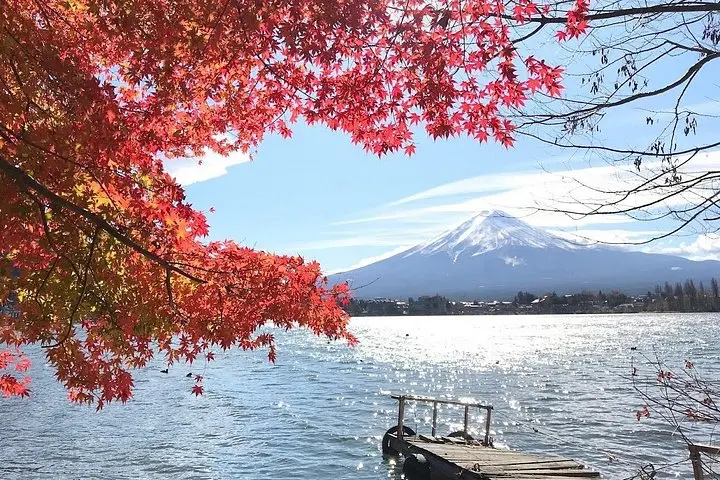
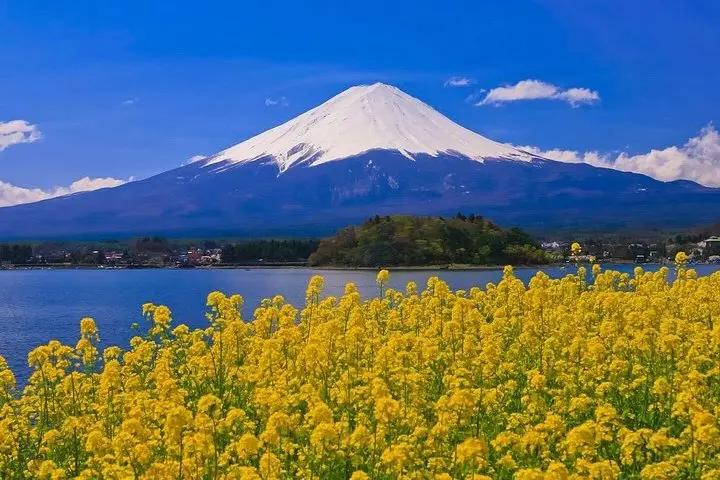
This private day tour stitches together the clearest threads of the Fuji-Hakone corridor: Lake Kawaguchiko’s reflective edge, the Mt. Fuji Panoramic Ropeway’s airy vantage, the crystalline springs of Oshino Hakkai, and a Hakone boat cruise that lets Lake Ashinoko’s currents carry your attention east. The route is as much cultural as scenic: shops selling yuzu sweets and painted ema (prayer plaques) sit beside shrines that have welcomed pilgrims for centuries. Mount Fuji has been a religious and artistic focal point in Japan for millennia and remains a World Heritage cultural landscape, its cone embedded in folklore and modern identity.
Geologically, Fuji is young—less than 10,000 years in its current form—and its slopes change abruptly from cultured lowland to volcanic scree. The Kawaguchiko basin sits at roughly 840 m elevation, offering clean air and a cooler contrast to Tokyo’s heat. Local villages like Oshino Hakkai are built around spring ponds that filter mountain runoff through volcanic rock; the water is so clear it quiets the city noise in your head.
Practicalities: this tour is driven with an English‑speaking guide who manages timing and local logistics, so your job is to enjoy the views and move efficiently between short walks, viewpoints, and photo stops. Expect several 20–60 minute walks or stops—stairs at shrines and ropeway platforms are common. Travel time from central Tokyo to the Fuji area is roughly 1.5–2 hours each way; an early pickup avoids rush hour and stretches your sightseeing time.
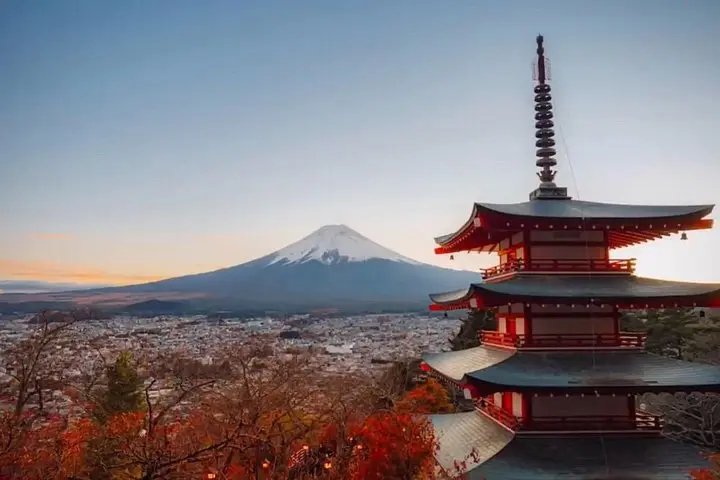
Bring layered clothing (the lakeside wind is a mood of its own), sun protection, and sturdy shoes for uneven paths and shrine steps. Cash is still king in many small villages; ATMs in rural spots are limited. If Fuji is playing hard to get behind clouds, your guide will adjust to clearer angles—Chureito Pagoda and the ropeway provide alternate frames.
Why take it private? Flexibility: linger longer at a favorite vista, ask for a tea stop in a local shop, or swap a scheduled stop to match weather and mood. The route is accessible to most travelers in good health; it’s a long day on your feet and on the road, but it trades strenuous ascent for sustained, cinematic perspective—an approach that lets Mount Fuji do what it does best: demand a little patience and reward it with a view that cuts clean across the map.
Yes—the tour offers hotel pickup across Tokyo; provide your pickup address when booking and expect to be collected about 60 minutes before the scheduled start time.
Most viewpoints and short stops are included, but specific attraction admissions (museum entries, ropeway fare if required) may not be covered—confirm with your supplier before the tour.
Visibility depends on season and weather—early mornings, especially in late autumn through early spring, give the best chance of clear views; cloud cover can hide the summit at any time.
Yes—this private tour is flexible; your guide can adjust stops and timings based on weather and group preference, within the day’s time frame.
Generally yes for healthy children and active seniors, but participants should be able to manage stairs and several short walks; consult the operator about mobility concerns.
Bring a waterproof layer and a hat—the cruise can be windy, and spray or sudden sun can change conditions quickly.
Japan Mount Fuji Tours operates guided outdoor trips and adventures with an emphasis on safety, stewardship, and memorable experiences.
You step into a quiet, air‑conditioned van before dawn; Tokyo’s glass and steel shrink behind you as the road pushes out toward the volcano. By mid‑morning the road opens and Fuji looms—brooding, cloud‑capped, and implacable—its summit sometimes hiding, sometimes revealing itself like a photographer’s reluctant smile.
You step into a quiet, air‑conditioned van before dawn; Tokyo’s glass and steel shrink behind you as the road pushes out toward the volcano. By mid‑morning the road opens and Fuji looms—brooding, cloud‑capped, and implacable—its summit sometimes hiding, sometimes revealing itself like a photographer’s reluctant smile.
This private day tour stitches together the clearest threads of the Fuji-Hakone corridor: Lake Kawaguchiko’s reflective edge, the Mt. Fuji Panoramic Ropeway’s airy vantage, the crystalline springs of Oshino Hakkai, and a Hakone boat cruise that lets Lake Ashinoko’s currents carry your attention east. The route is as much cultural as scenic: shops selling yuzu sweets and painted ema (prayer plaques) sit beside shrines that have welcomed pilgrims for centuries. Mount Fuji has been a religious and artistic focal point in Japan for millennia and remains a World Heritage cultural landscape, its cone embedded in folklore and modern identity.
Geologically, Fuji is young—less than 10,000 years in its current form—and its slopes change abruptly from cultured lowland to volcanic scree. The Kawaguchiko basin sits at roughly 840 m elevation, offering clean air and a cooler contrast to Tokyo’s heat. Local villages like Oshino Hakkai are built around spring ponds that filter mountain runoff through volcanic rock; the water is so clear it quiets the city noise in your head.
Practicalities: this tour is driven with an English‑speaking guide who manages timing and local logistics, so your job is to enjoy the views and move efficiently between short walks, viewpoints, and photo stops. Expect several 20–60 minute walks or stops—stairs at shrines and ropeway platforms are common. Travel time from central Tokyo to the Fuji area is roughly 1.5–2 hours each way; an early pickup avoids rush hour and stretches your sightseeing time.
Bring layered clothing (the lakeside wind is a mood of its own), sun protection, and sturdy shoes for uneven paths and shrine steps. Cash is still king in many small villages; ATMs in rural spots are limited. If Fuji is playing hard to get behind clouds, your guide will adjust to clearer angles—Chureito Pagoda and the ropeway provide alternate frames.
Why take it private? Flexibility: linger longer at a favorite vista, ask for a tea stop in a local shop, or swap a scheduled stop to match weather and mood. The route is accessible to most travelers in good health; it’s a long day on your feet and on the road, but it trades strenuous ascent for sustained, cinematic perspective—an approach that lets Mount Fuji do what it does best: demand a little patience and reward it with a view that cuts clean across the map.