THE ADVENTURE COLLECTIVE® · Independent discovery and booking for outdoor travel

Skip the transit logistics and let an English-speaking driver fold Mount Fuji and Hakone into a single, expertly paced day. Choose 3–4 stops—lakeside views, volcanic vents, and world-class museums—and use the private van as your moving base for one crisp day outside Tokyo.
Skip the transit logistics and let an English-speaking driver fold Mount Fuji and Hakone into a single, expertly paced day. Choose 3–4 stops—lakeside views, volcanic vents, and world-class museums—and use the private van as your moving base for one crisp day outside Tokyo.
You step into the back of a private van in central Tokyo as the city’s hum recedes behind you. Within an hour the concrete gives way to cedar forests and terraced farms; the van threads up into the foothills and, on a clear day, Mount Fuji uncovers itself—an enormous, methodical presence that seems to measure time in snow and shadow.
Verified experiences and guided adventures in the surrounding area.
Operated by Japan Guide Agency · Hakone, Kanagawa
You step into the back of a private van in central Tokyo as the city’s hum recedes behind you. Within an hour the concrete gives way to cedar forests and terraced farms; the van threads up into the foothills and, on a clear day, Mount Fuji uncovers itself—an enormous, methodical presence that seems to measure time in snow and shadow.
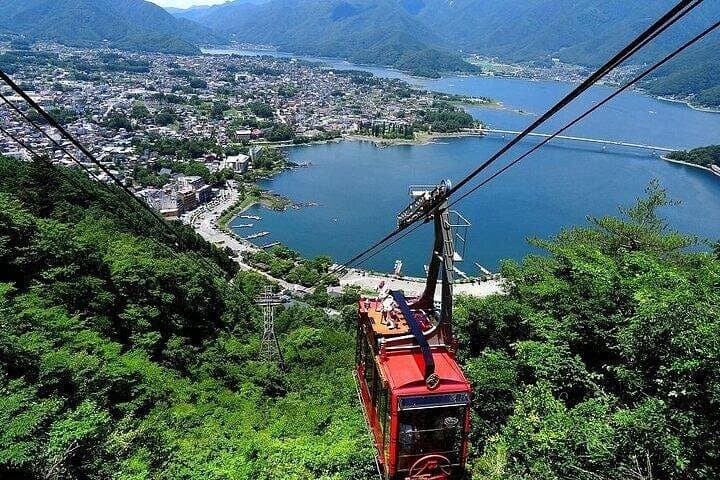
This is a full-day, private driving tour that hands independent travelers an efficient way to collect Hakone and Fuji highlights without navigating trains or buses. The itinerary is flexible—pick three to four stops from lake shots at Ashinoko and the Hakone Ropeway over steaming Owakudani, to the contemplative gardens of the POLA Museum or the handcrafted displays at the Hakone Open-Air Museum. For a quieter Fuji view, drivers often route through the Fuji Five Lakes area or pause at the Fuji Subaru Line 5th Station (≈2,300 m) for altitude air and a different perspective on the cone.
Geology shapes every stop: Lake Ashinoko occupies a volcanic caldera born of ancient eruptions, while Owakudani crackles with sulfur vents that still feed local onsen. The Hakone region has been a retreat for artists and collectors since the early 20th century; museums like POLA and Okada harmonize modern architecture with forest and stone, offering contrast to the raw energy of the valley.
Practical travelors’ notes are part of the experience. The tour runs roughly 12 hours and is driven by an English-speaking driver rather than a guide—you’ll get curated transit and local suggestions but limited in-spot narration. Traffic between Tokyo and Hakone can swell, so early departures improve your window for clear Fuji views. Bring a light jacket: temperatures can drop rapidly between coastal lakes and mountain passes. Expect short walks—shrines, viewpoints and museums are usually a ten- to thirty-minute stroll from parking.
Food and accessibility: Hakone’s lakeside towns and museum cafes supply lunch options; however, hot-spring areas can be crowded midday. The operator can pick up within Tokyo city limits only—confirm your pickup point when booking. Note health restrictions: the tour is unsuitable for travelers with serious spinal or cardiovascular conditions, and pregnant guests should consult a physician.
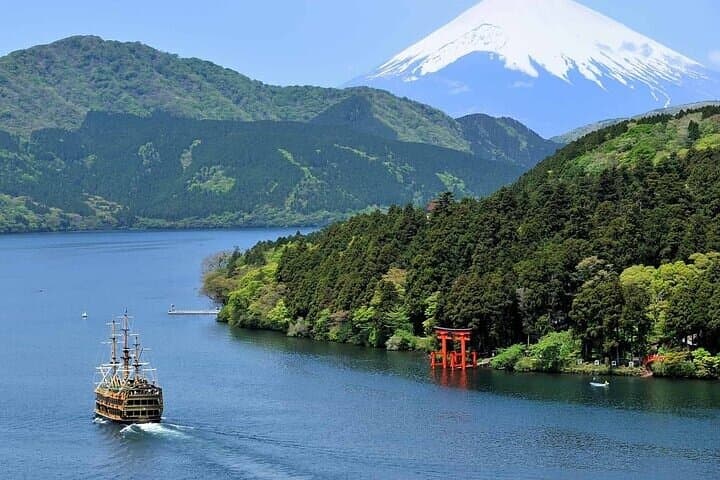
Tactically, schedule the ropeway and Owakudani mid-morning to avoid clouds and reserve museum entrances when you want a longer linger. Photograph Mount Fuji from Moto-Hakone or the Narukawa Museum panorama for the classic torii-lake silhouette. Above all, use the private driver as a moving base—this tour converts a long day into a series of deliberate stops so travelers leave with both images and a sense of why Fuji and Hakone have long drawn pilgrims, painters and weekend wanderers.
The tour is approximately 12 hours and departs from a pickup point within Tokyo city—confirm your exact pickup when booking.
Yes—the English-speaking driver will follow your chosen 3–4 stops from the provided list and can recommend a practical order based on traffic and weather.
Admission is not included for most museums or ropeways; plan for separate entrance fees and any ropeway tickets.
Late autumn through early spring (October–March) often offers the clearest views, especially on crisp mornings, though weather is variable year-round.
Vehicles and many pickup locations are wheelchair accessible, but some sites have steps or uneven paths—check specific stop accessibility in advance.
Yes, black eggs are sold at Owakudani, but access can be restricted during high volcanic activity—your driver will advise on safety and availability.
Japan Guide Agency operates guided outdoor trips and adventures with an emphasis on safety, stewardship, and memorable experiences.
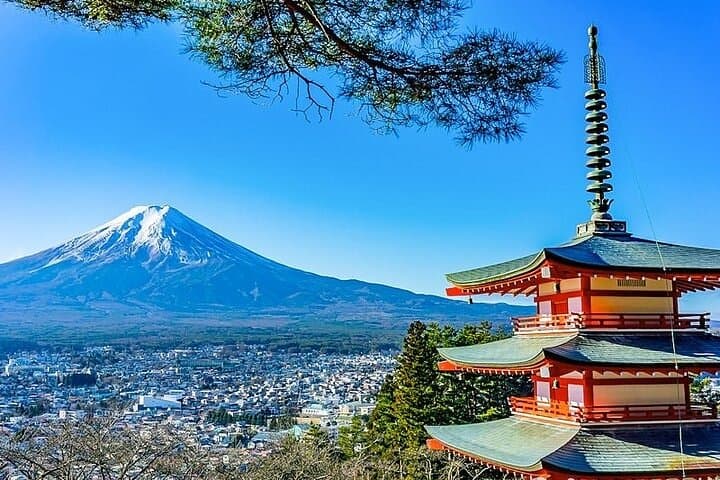
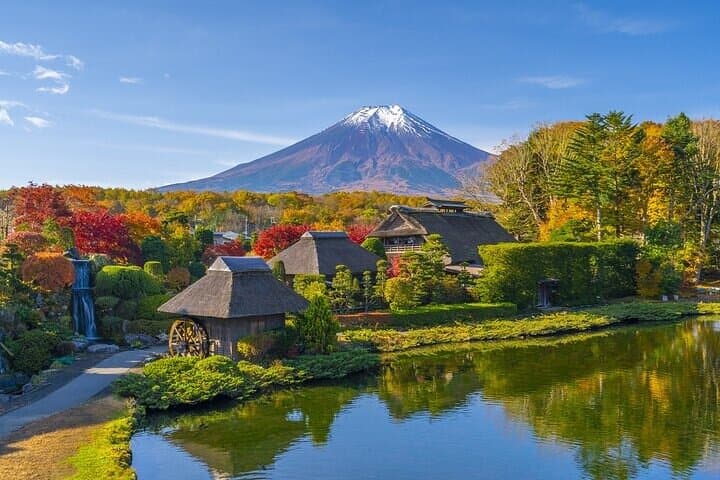
You step into the back of a private van in central Tokyo as the city’s hum recedes behind you. Within an hour the concrete gives way to cedar forests and terraced farms; the van threads up into the foothills and, on a clear day, Mount Fuji uncovers itself—an enormous, methodical presence that seems to measure time in snow and shadow.
You step into the back of a private van in central Tokyo as the city’s hum recedes behind you. Within an hour the concrete gives way to cedar forests and terraced farms; the van threads up into the foothills and, on a clear day, Mount Fuji uncovers itself—an enormous, methodical presence that seems to measure time in snow and shadow.
This is a full-day, private driving tour that hands independent travelers an efficient way to collect Hakone and Fuji highlights without navigating trains or buses. The itinerary is flexible—pick three to four stops from lake shots at Ashinoko and the Hakone Ropeway over steaming Owakudani, to the contemplative gardens of the POLA Museum or the handcrafted displays at the Hakone Open-Air Museum. For a quieter Fuji view, drivers often route through the Fuji Five Lakes area or pause at the Fuji Subaru Line 5th Station (≈2,300 m) for altitude air and a different perspective on the cone.
Geology shapes every stop: Lake Ashinoko occupies a volcanic caldera born of ancient eruptions, while Owakudani crackles with sulfur vents that still feed local onsen. The Hakone region has been a retreat for artists and collectors since the early 20th century; museums like POLA and Okada harmonize modern architecture with forest and stone, offering contrast to the raw energy of the valley.
Practical travelors’ notes are part of the experience. The tour runs roughly 12 hours and is driven by an English-speaking driver rather than a guide—you’ll get curated transit and local suggestions but limited in-spot narration. Traffic between Tokyo and Hakone can swell, so early departures improve your window for clear Fuji views. Bring a light jacket: temperatures can drop rapidly between coastal lakes and mountain passes. Expect short walks—shrines, viewpoints and museums are usually a ten- to thirty-minute stroll from parking.
Food and accessibility: Hakone’s lakeside towns and museum cafes supply lunch options; however, hot-spring areas can be crowded midday. The operator can pick up within Tokyo city limits only—confirm your pickup point when booking. Note health restrictions: the tour is unsuitable for travelers with serious spinal or cardiovascular conditions, and pregnant guests should consult a physician.
Tactically, schedule the ropeway and Owakudani mid-morning to avoid clouds and reserve museum entrances when you want a longer linger. Photograph Mount Fuji from Moto-Hakone or the Narukawa Museum panorama for the classic torii-lake silhouette. Above all, use the private driver as a moving base—this tour converts a long day into a series of deliberate stops so travelers leave with both images and a sense of why Fuji and Hakone have long drawn pilgrims, painters and weekend wanderers.