THE ADVENTURE COLLECTIVE® · Independent discovery and booking for outdoor travel

Leave Tokyo for a focused day around Mt. Fuji with a certified driver-guide. This private taxi tour links iconic views, lava caves and sacred ponds while avoiding the slow parts of public transit.
Leave Tokyo for a focused day around Mt. Fuji with a certified driver-guide. This private taxi tour links iconic views, lava caves and sacred ponds while avoiding the slow parts of public transit.
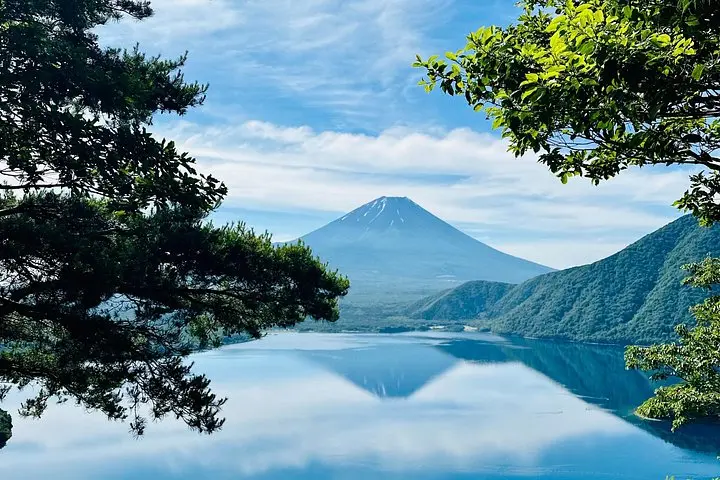
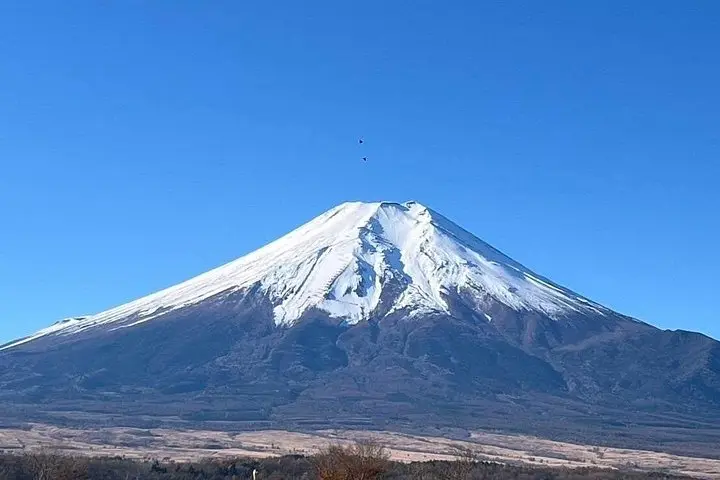
The day begins with a quiet pullaway from central Tokyo as the city grid shrinks and the air feels a degree cleaner—Mt. Fuji rises into view like a slow-moving presence, its shoulder sharpening as the taxi eases toward Kawaguchiko.
Verified experiences and guided adventures in the surrounding area.
Operated by Best Scenic Spots of Mt. Fuji · Fujikawaguchiko, Yamanashi Prefecture
The day begins with a quiet pullaway from central Tokyo as the city grid shrinks and the air feels a degree cleaner—Mt. Fuji rises into view like a slow-moving presence, its shoulder sharpening as the taxi eases toward Kawaguchiko.
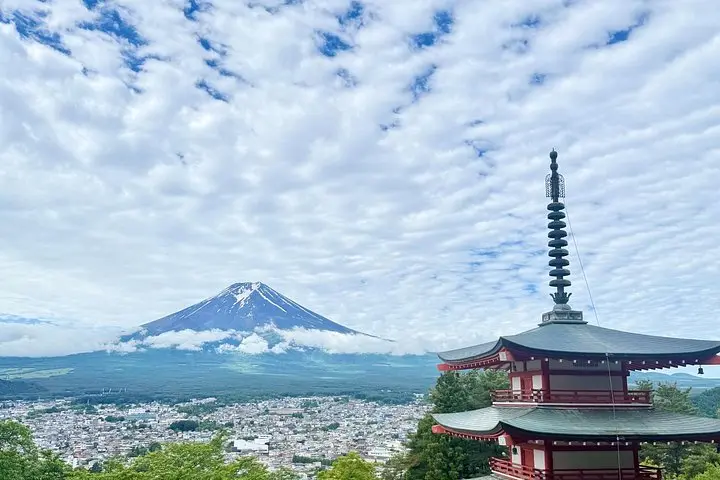
A certified driver-guide steers the route: a compact loop of lookout points, lava caves and shrine platforms that frame Fuji not as a distant monument but as a lived landscape. Arakura Fuji Sengen Shrine’s red torii and five-storied pagoda make for a classic composition; Oshino Hakkai’s spring pools reveal the mountain’s underground reach; the Fugaku Wind and Narusawa Ice caves expose the raw geologic history of lava flows and ice-formed caves.
Geology and faith overlap here. Mt. Fuji’s cone is a late Pleistocene stratovolcano whose eruptions shaped pumice fields and the Aokigahara forest. Culturally, Fuji has been a pilgrimage site for centuries and is protected as a UNESCO World Heritage cultural landscape.
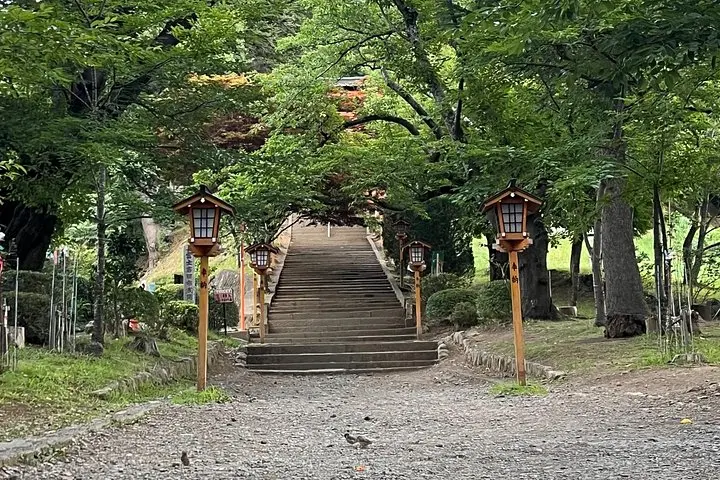
Practically, this private taxi format compresses distance and maximizes light: mornings often deliver the clearest views, late afternoons give softer shadow on the eastern slopes. Expect short walks at each stop—steep steps at the pagoda, uneven floors in caves, and boardwalks around the ponds. The driver handles tolls and parking; visitors should plan for modest entrance fees and short queues.
Bring layered clothing, comfortable shoes for uneven ground, and a camera with a zoom. Check the weather the night before—visibility dictates the day—and budget time if you want to linger at an onsen or try local soba. The tour is an efficient, grounded way to meet Mt. Fuji’s geology, history and village life in a single, image-rich day.
The tour runs about 10–11 hours and typically includes hotel pickup from central Tokyo with return to the same area.
Visibility depends on weather—clear mornings are best; the operator may adjust or cancel due to poor conditions.
Admission and short parking fees are usually handled during the day, but confirm specifics with the provider before booking.
The tour involves short walks, stairs at viewpoints and uneven cave floors; it’s broadly accessible but not ideal for those unable to climb steps or navigate uneven ground.
Best Scenic Spots of Mt. Fuji operates guided outdoor trips and adventures with an emphasis on safety, stewardship, and memorable experiences.
The day begins with a quiet pullaway from central Tokyo as the city grid shrinks and the air feels a degree cleaner—Mt. Fuji rises into view like a slow-moving presence, its shoulder sharpening as the taxi eases toward Kawaguchiko.
The day begins with a quiet pullaway from central Tokyo as the city grid shrinks and the air feels a degree cleaner—Mt. Fuji rises into view like a slow-moving presence, its shoulder sharpening as the taxi eases toward Kawaguchiko.
A certified driver-guide steers the route: a compact loop of lookout points, lava caves and shrine platforms that frame Fuji not as a distant monument but as a lived landscape. Arakura Fuji Sengen Shrine’s red torii and five-storied pagoda make for a classic composition; Oshino Hakkai’s spring pools reveal the mountain’s underground reach; the Fugaku Wind and Narusawa Ice caves expose the raw geologic history of lava flows and ice-formed caves.
Geology and faith overlap here. Mt. Fuji’s cone is a late Pleistocene stratovolcano whose eruptions shaped pumice fields and the Aokigahara forest. Culturally, Fuji has been a pilgrimage site for centuries and is protected as a UNESCO World Heritage cultural landscape.
Practically, this private taxi format compresses distance and maximizes light: mornings often deliver the clearest views, late afternoons give softer shadow on the eastern slopes. Expect short walks at each stop—steep steps at the pagoda, uneven floors in caves, and boardwalks around the ponds. The driver handles tolls and parking; visitors should plan for modest entrance fees and short queues.
Bring layered clothing, comfortable shoes for uneven ground, and a camera with a zoom. Check the weather the night before—visibility dictates the day—and budget time if you want to linger at an onsen or try local soba. The tour is an efficient, grounded way to meet Mt. Fuji’s geology, history and village life in a single, image-rich day.