THE ADVENTURE COLLECTIVE® · Independent discovery and booking for outdoor travel

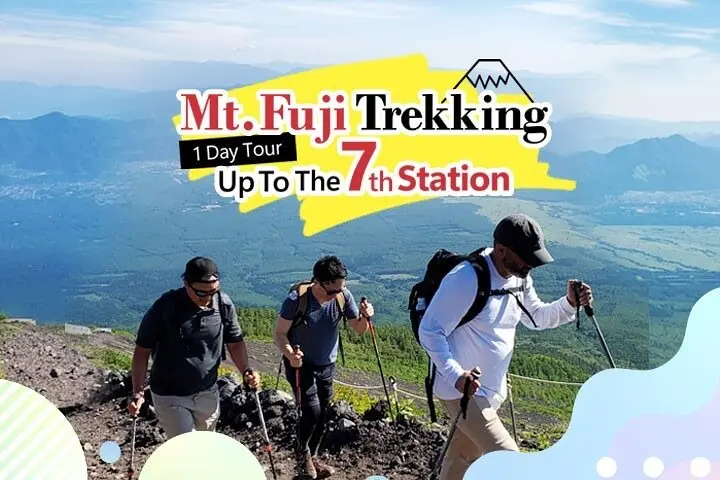
A private day trek from Tokyo that carries you from the Yoshida 5th Station up to the 7th Station on Mt. Fuji—an accessible high-altitude experience with dramatic views and cultural waymarkers. Ideal for those wanting mountain perspective without a summit climb.
A private day trek from Tokyo that carries you from the Yoshida 5th Station up to the 7th Station on Mt. Fuji—an accessible high-altitude experience with dramatic views and cultural waymarkers. Ideal for those wanting mountain perspective without a summit climb.
Morning mist unravels as the coach climbs the Fuji Subaru Line and the profile of Japan’s highest peak sharpens against the sky.
Verified experiences and guided adventures in the surrounding area.
Operated by アウテック · Fujiyoshida, Yamanashi
Morning mist unravels as the coach climbs the Fuji Subaru Line and the profile of Japan’s highest peak sharpens against the sky.
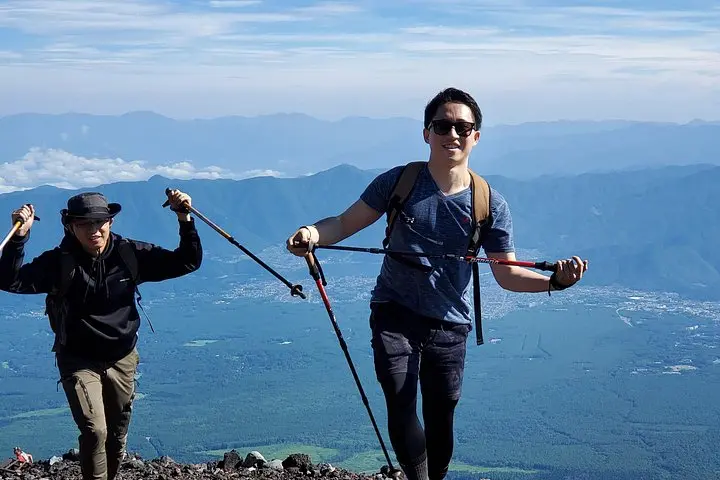
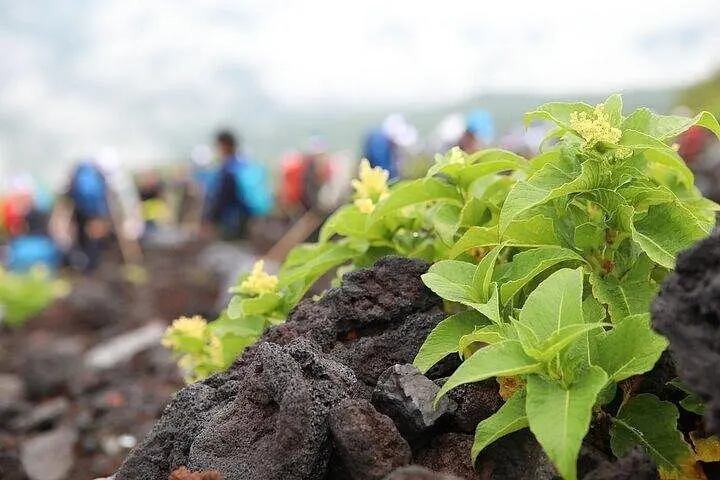
Starting at the Yoshida 5th Station (around 2,305 m), this private trek follows a well-worn route up to the 7th Station (roughly 2,700 m), turning volcanic scree and low alpine scrub into a steady, readable climb. The air feels thinner with each switchback; winds nudge climbers forward and the craggy ridgelines push horizons wider.
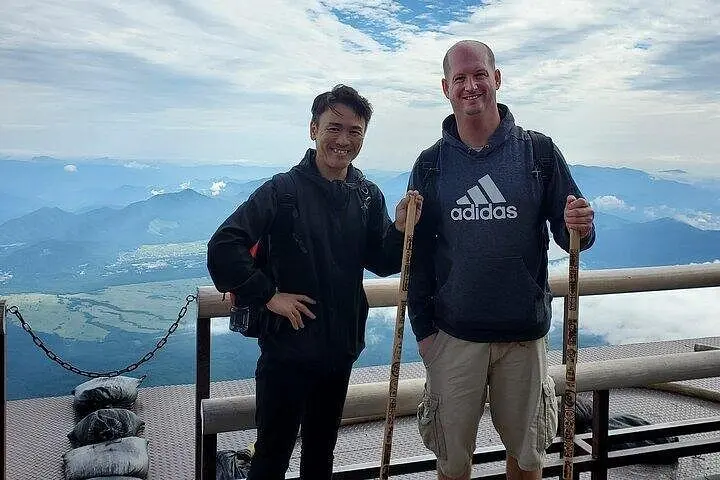
Fuji’s slopes are recent in geological terms—layers of andesite and basalt from repeated eruptions—and the Yoshida trail has long served pilgrims and locals who respect the mountain as both natural force and cultural icon. Small shrines and weathered waymarkers speak to centuries of ascent; views toward the Five Lakes and Hakone reveal the volcanic landscape that shaped regional settlements and art.
Practically, this is a day-focused, accessible trek: expect 3–6 km each way on packed volcanic soil and rock with approximately 400 m of elevation gain. A private guide and vehicle from Tokyo make logistics straightforward—roughly two hours each way—leaving daylight for steady hiking, a lunch break at the 7th Station, and a relaxed descent.
Bring layered clothing for wind and sun, sturdy boots for loose volcanic gravel, and extra water for higher-altitude exertion. Watch the weather—conditions can change quickly—and allow time to acclimatize if you’re coming from sea level. For travelers wanting high-mountain perspective without a summit push, the 7th Station delivers dramatic views with manageable effort.
Expect about 3–6 km one way depending on the exact route, with roughly 350–450 m of elevation gain; most groups allow several hours including breaks.
Yes, for people with moderate fitness—trail sections are straightforward but the altitude and loose volcanic scree require steady pacing and good footwear.
Mountain weather is changeable: mornings can be calm, afternoons windy with rapid temperature swings; thunderstorms are possible in summer, so check forecasts and follow your guide’s advice.
Mild symptoms (headache, shortness of breath) are possible above 2,300 m; drink water, move steadily, and descend if symptoms worsen—inform your guide early.
アウテック operates guided outdoor trips and adventures with an emphasis on safety, stewardship, and memorable experiences.
Morning mist unravels as the coach climbs the Fuji Subaru Line and the profile of Japan’s highest peak sharpens against the sky.
Morning mist unravels as the coach climbs the Fuji Subaru Line and the profile of Japan’s highest peak sharpens against the sky.
Starting at the Yoshida 5th Station (around 2,305 m), this private trek follows a well-worn route up to the 7th Station (roughly 2,700 m), turning volcanic scree and low alpine scrub into a steady, readable climb. The air feels thinner with each switchback; winds nudge climbers forward and the craggy ridgelines push horizons wider.
Fuji’s slopes are recent in geological terms—layers of andesite and basalt from repeated eruptions—and the Yoshida trail has long served pilgrims and locals who respect the mountain as both natural force and cultural icon. Small shrines and weathered waymarkers speak to centuries of ascent; views toward the Five Lakes and Hakone reveal the volcanic landscape that shaped regional settlements and art.
Practically, this is a day-focused, accessible trek: expect 3–6 km each way on packed volcanic soil and rock with approximately 400 m of elevation gain. A private guide and vehicle from Tokyo make logistics straightforward—roughly two hours each way—leaving daylight for steady hiking, a lunch break at the 7th Station, and a relaxed descent.
Bring layered clothing for wind and sun, sturdy boots for loose volcanic gravel, and extra water for higher-altitude exertion. Watch the weather—conditions can change quickly—and allow time to acclimatize if you’re coming from sea level. For travelers wanting high-mountain perspective without a summit push, the 7th Station delivers dramatic views with manageable effort.