THE ADVENTURE COLLECTIVE® · Independent discovery and booking for outdoor travel

Step into daily life at Mukuni Village near Livingstone for a private, hour‑long cultural immersion. Participate in cooking, farming tasks, and traditional dance while supporting community-led tourism.
Step into daily life at Mukuni Village near Livingstone for a private, hour‑long cultural immersion. Participate in cooking, farming tasks, and traditional dance while supporting community-led tourism.
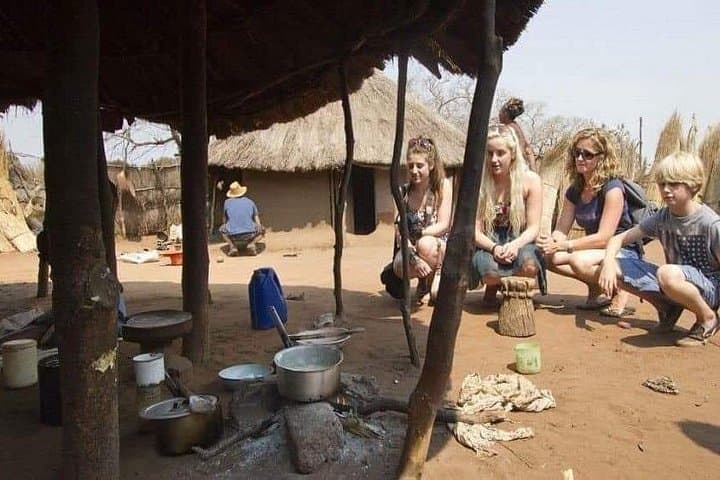
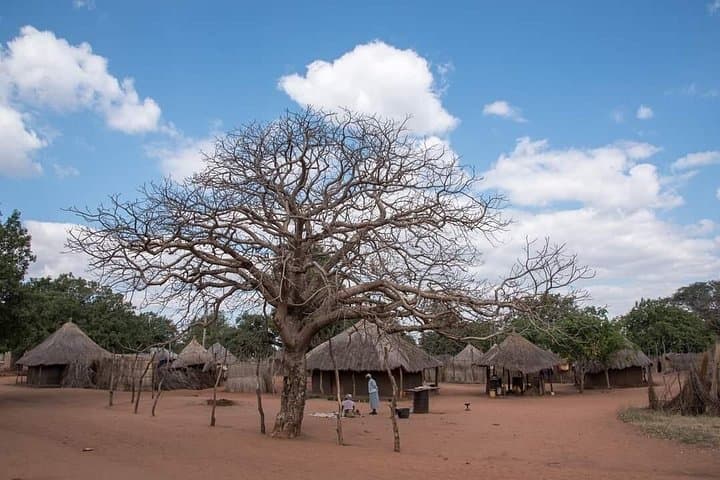
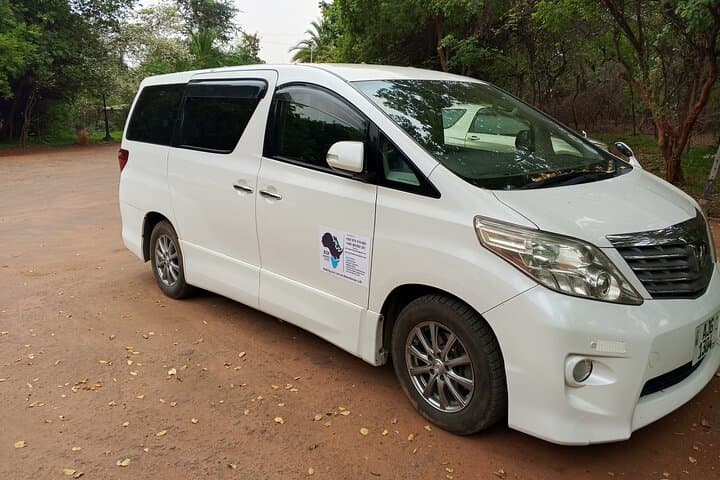
The sun catches dust from the red-earth paths as you step off the vehicle and into Mukuni Village — a place where everyday life plays out in open courtyards and smoke from cooking fires weaves through thatch roofs. You move slowly, the rhythm set by villagers who go about tending gardens, grinding maize, and coaxing songs from the morning silence.
Verified experiences and guided adventures in the surrounding area.
Operated by BUSH WILDERNESS SAFARIS · Livingstone, Southern Province
The sun catches dust from the red-earth paths as you step off the vehicle and into Mukuni Village — a place where everyday life plays out in open courtyards and smoke from cooking fires weaves through thatch roofs. You move slowly, the rhythm set by villagers who go about tending gardens, grinding maize, and coaxing songs from the morning silence.
Mukuni sits on the southern Zambian plateau near the Zambezi floodplain; the local stone and clay tell a simple geological story of laterite soils and seasonal rivers that shape farming rhythms. The village belongs to the Lozi and Tonga cultural regions, with traditions tied to subsistence agriculture, basketry and communal dances that mark social life. Elders will explain kinship ties and the practical uses of native plants while younger villagers invite guests into communal drumming and dance.
This private, guided visit blends observation with participation — draw water from communal wells, try hand‑grinding maize, or help prepare nshima under supervision. Photography is welcomed but ask before shooting close portraits; respectful exchange preserves dignity and trust. The experience supports local incomes through entrance fees and small purchases.
Practicalities: the tour is about an hour, mostly flat walking on uneven dirt; wear closed-toe shoes, bring sun protection and cash for small purchases or tipping. Mornings are cooler and better for active participation, while afternoons can be hot and dusty. Beginners to culture travel will find the tour accessible, but mobility limitations (long uneven surfaces) should be considered. Leave no trace: avoid single-use plastics, ask before sampling family food, and let the village guide lead interactions to ensure your visit benefits the community.
The private Mukuni Village tour runs about one hour and includes guided visits to homes, demonstrations, and a short cultural dance.
The village has uneven dirt paths and steps; strollers may be possible in parts, but wheelchair accessibility is limited—check with the operator about specific needs.
Yes — hands-on activities like grinding maize or helping prepare a communal meal are part of the visit, guided by villagers for safety and respect.
Dress modestly (shoulders and knees covered), ask before photographing people, and follow the guide’s instructions during interactions to show cultural respect.
BUSH WILDERNESS SAFARIS operates guided outdoor trips and adventures with an emphasis on safety, stewardship, and memorable experiences.
The sun catches dust from the red-earth paths as you step off the vehicle and into Mukuni Village — a place where everyday life plays out in open courtyards and smoke from cooking fires weaves through thatch roofs. You move slowly, the rhythm set by villagers who go about tending gardens, grinding maize, and coaxing songs from the morning silence.
The sun catches dust from the red-earth paths as you step off the vehicle and into Mukuni Village — a place where everyday life plays out in open courtyards and smoke from cooking fires weaves through thatch roofs. You move slowly, the rhythm set by villagers who go about tending gardens, grinding maize, and coaxing songs from the morning silence.
Mukuni sits on the southern Zambian plateau near the Zambezi floodplain; the local stone and clay tell a simple geological story of laterite soils and seasonal rivers that shape farming rhythms. The village belongs to the Lozi and Tonga cultural regions, with traditions tied to subsistence agriculture, basketry and communal dances that mark social life. Elders will explain kinship ties and the practical uses of native plants while younger villagers invite guests into communal drumming and dance.
This private, guided visit blends observation with participation — draw water from communal wells, try hand‑grinding maize, or help prepare nshima under supervision. Photography is welcomed but ask before shooting close portraits; respectful exchange preserves dignity and trust. The experience supports local incomes through entrance fees and small purchases.
Practicalities: the tour is about an hour, mostly flat walking on uneven dirt; wear closed-toe shoes, bring sun protection and cash for small purchases or tipping. Mornings are cooler and better for active participation, while afternoons can be hot and dusty. Beginners to culture travel will find the tour accessible, but mobility limitations (long uneven surfaces) should be considered. Leave no trace: avoid single-use plastics, ask before sampling family food, and let the village guide lead interactions to ensure your visit benefits the community.