THE ADVENTURE COLLECTIVE® · Independent discovery and booking for outdoor travel

A private, customizable 1–4 day itinerary linking Tokyo’s highlights with Hakone, Mount Fuji and Lake Kawaguchi. Ideal for travelers who want curated views, short hikes, hot springs and cultural sites with a local guide.
A private, customizable 1–4 day itinerary linking Tokyo’s highlights with Hakone, Mount Fuji and Lake Kawaguchi. Ideal for travelers who want curated views, short hikes, hot springs and cultural sites with a local guide.
You leave Tokyo’s glass-and-steel grid before dawn, the city lights thinning as the highway pushes west. A guide drives, and the conversation drifts from Shibuya crowds to the clean, conical silhouette of Fuji-san rising through a morning haze. Lake Kawaguchi opens like a mirror; on clear days Mount Fuji commands the horizon.
Verified experiences and guided adventures in the surrounding area.
Operated by Kyosako Private Tours Japan · Tokyo, Tokyo
You leave Tokyo’s glass-and-steel grid before dawn, the city lights thinning as the highway pushes west. A guide drives, and the conversation drifts from Shibuya crowds to the clean, conical silhouette of Fuji-san rising through a morning haze. Lake Kawaguchi opens like a mirror; on clear days Mount Fuji commands the horizon.
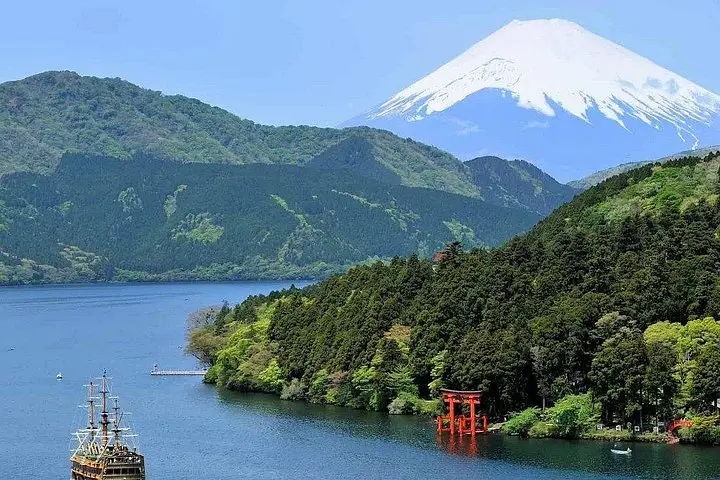
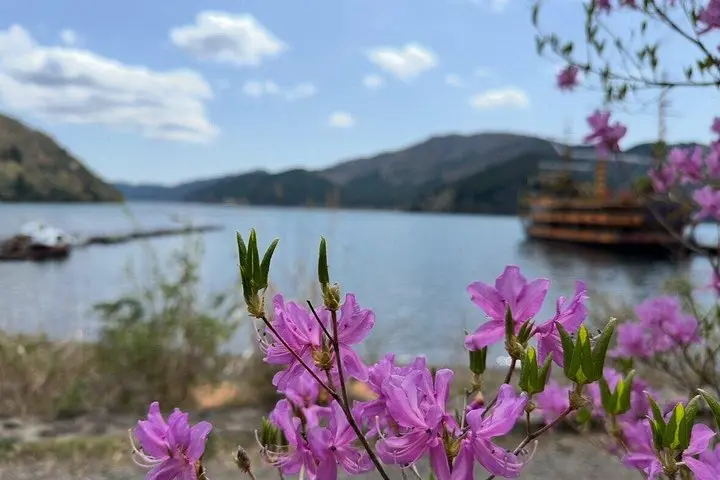
This multi-day private itinerary threads Tokyo’s urban history with Japan’s volcanic and cultural heartlands. Tokyo—once Edo—holds Meiji-era parks, Edo Castle ruins, and temples like Senso‑ji that speak to centuries of urban change. Mount Fuji is an active stratovolcano whose shape has shaped art, religion and pilgrimage. Hakone’s Owakudani valley displays sulfur vents and hot springs born from past eruptions; Lake Ashinoko is the caldera lake that followed. Nikko’s Toshogu Shrine, ornate and gilded, recalls Tokugawa-era power framed by ancient cedar groves.
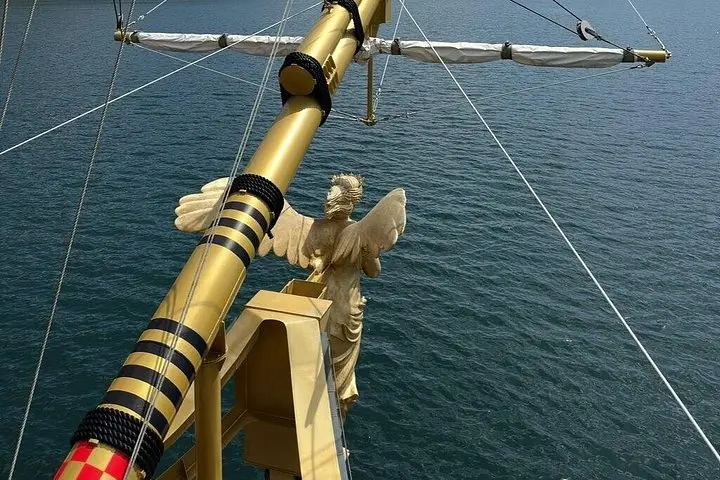
Expect a mix of short walks, photo stops, museum visits and a ropeway or boat cruise rather than sustained mountain trekking; routes are accessible but can include uneven paths, steps and volcanic steam areas. Practical notes: schedule Fuji views for mornings (less cloud), bring layered clothing for sudden temperature shifts between city and highland, and carry local currency for small-town vendors. Respect onsen etiquette in Hakone and closures around Owakudani when volcanic activity rises. Private vehicles and English-speaking guides make this a smooth option for travelers who want curated vistas, cultural stops, and flexible pacing across 1–4 days.
Private transfers are offered—confirm your exact pickup point and time at booking so the driver can plan efficient routing.
Yes. The tour is customizable; you can choose a single‑day option covering up to two destinations or a condensed highlights route.
Many sites and the provided vehicle are wheelchair accessible, but some historic temple grounds and observation decks include steps—check specific stops in advance.
Guides monitor conditions—if Fuji is obscured they will re-time stops or suggest alternate photo points; refunds follow the operator’s cancellation policy for adverse weather.
Kyosako Private Tours Japan operates guided outdoor trips and adventures with an emphasis on safety, stewardship, and memorable experiences.
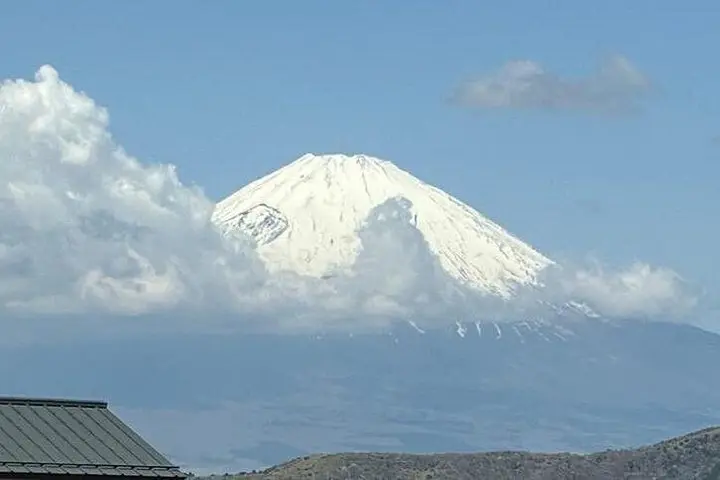
You leave Tokyo’s glass-and-steel grid before dawn, the city lights thinning as the highway pushes west. A guide drives, and the conversation drifts from Shibuya crowds to the clean, conical silhouette of Fuji-san rising through a morning haze. Lake Kawaguchi opens like a mirror; on clear days Mount Fuji commands the horizon.
You leave Tokyo’s glass-and-steel grid before dawn, the city lights thinning as the highway pushes west. A guide drives, and the conversation drifts from Shibuya crowds to the clean, conical silhouette of Fuji-san rising through a morning haze. Lake Kawaguchi opens like a mirror; on clear days Mount Fuji commands the horizon.
This multi-day private itinerary threads Tokyo’s urban history with Japan’s volcanic and cultural heartlands. Tokyo—once Edo—holds Meiji-era parks, Edo Castle ruins, and temples like Senso‑ji that speak to centuries of urban change. Mount Fuji is an active stratovolcano whose shape has shaped art, religion and pilgrimage. Hakone’s Owakudani valley displays sulfur vents and hot springs born from past eruptions; Lake Ashinoko is the caldera lake that followed. Nikko’s Toshogu Shrine, ornate and gilded, recalls Tokugawa-era power framed by ancient cedar groves.
Expect a mix of short walks, photo stops, museum visits and a ropeway or boat cruise rather than sustained mountain trekking; routes are accessible but can include uneven paths, steps and volcanic steam areas. Practical notes: schedule Fuji views for mornings (less cloud), bring layered clothing for sudden temperature shifts between city and highland, and carry local currency for small-town vendors. Respect onsen etiquette in Hakone and closures around Owakudani when volcanic activity rises. Private vehicles and English-speaking guides make this a smooth option for travelers who want curated vistas, cultural stops, and flexible pacing across 1–4 days.