THE ADVENTURE COLLECTIVE® · Independent discovery and booking for outdoor travel

Witness stone gods at sunrise on a private multi-day tour to Mount Nemrut. This two-day excursion pairs Hellenistic archaeology with highland views and practical logistics—transfers, domestic flights and hotel nights included.
Witness stone gods at sunrise on a private multi-day tour to Mount Nemrut. This two-day excursion pairs Hellenistic archaeology with highland views and practical logistics—transfers, domestic flights and hotel nights included.
A predawn hush rests on the high summit road as the vehicle climbs toward Mount Nemrut. Headlamps punch through fog, and the first silhouettes of colossal heads cut the horizon—stone gods and a king, faces turned toward a cold, eastern sky that will soon color the plain below.
Verified experiences and guided adventures in the surrounding area.
Operated by TRAVELIUM · Kahta, Adıyaman Province
A predawn hush rests on the high summit road as the vehicle climbs toward Mount Nemrut. Headlamps punch through fog, and the first silhouettes of colossal heads cut the horizon—stone gods and a king, faces turned toward a cold, eastern sky that will soon color the plain below.
Mount Nemrut rises to roughly 2,130 m (about 7,000 ft). The site is dominated by a 49 m tumulus and two monumental terraces of Hellenistic sculpture erected in 62 BC by King Antiochus I of Commagene, where Greek facial forms meet Persian dress. The western terrace maps constellations and planets carved into a slab; surrounding landscapes record the collision of Anatolian plateaus and nearby river valleys carved by the Euphrates.
Cultural threads run deep here—Commagene’s syncretic pantheon, nearby Roman bridges, and the mudbrick ruins of Harran remind visitors they’re moving through layers of trade, empire, and belief.
Practically: expect short, uneven walking on gravel and packed earth, a 10–30 minute approach to terraces from parking, and large temperature swings—sunrise is cold even in summer. The tour typically runs over two days with hotel nights in Adıyaman/Kahta and domestic transfers included. Guides will handle permits and timing for the iconic sunrise and late-afternoon light, when shadows reveal sculptural detail.
Bring a warm layer, sturdy boots with good traction, water, and a headlamp if you’re joining sunrise. Respect fragile masonry—don’t climb the statues—and allow for slow acclimatization; the thin air at 2,100 m can catch even fit hikers off guard.
The summit is about 2,100–2,150 m (≈7,000 ft); most travelers tolerate it but expect shortness of breath with exertion—move slowly and hydrate.
Yes—most itineraries schedule summit visits at sunrise for the best light, weather permitting; tours may reschedule or cancel in poor conditions.
Access to the archaeological terraces is managed by Turkey’s cultural authorities; guides handle entrance fees and local logistics included in most tour packages.
Yes—itineraries often include Arsameia (Eski Kale), Cendere Bridge, Şanlıurfa pools, or Harran for a broader historical context.
TRAVELIUM operates guided outdoor trips and adventures with an emphasis on safety, stewardship, and memorable experiences.
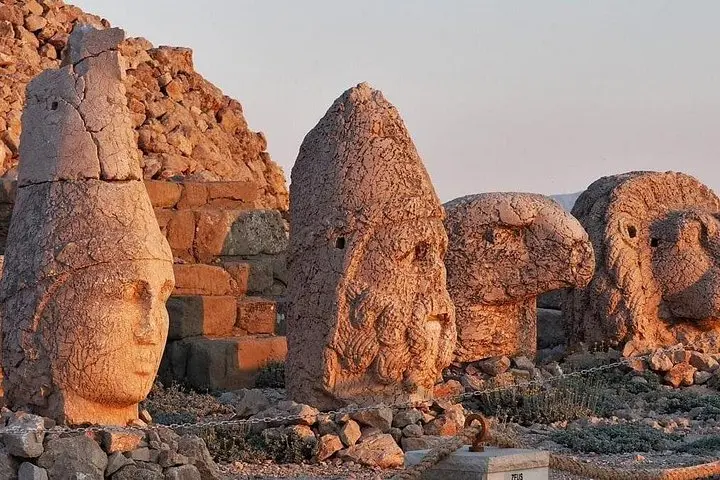
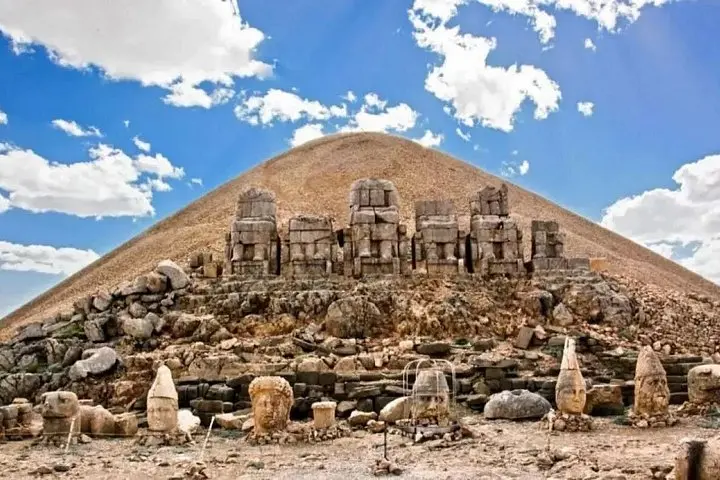
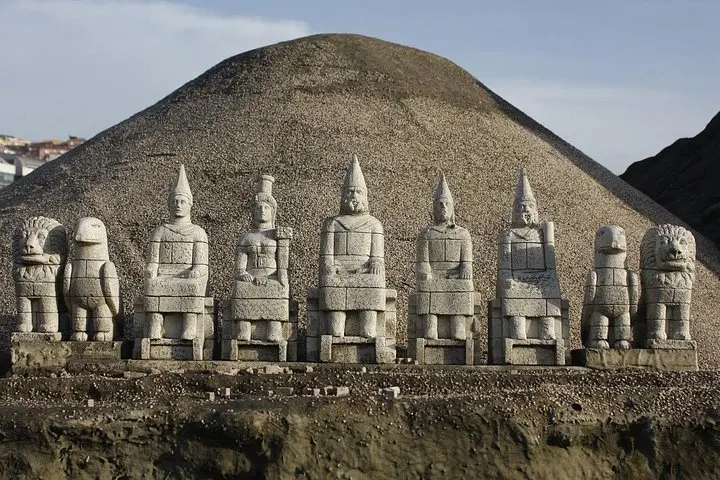
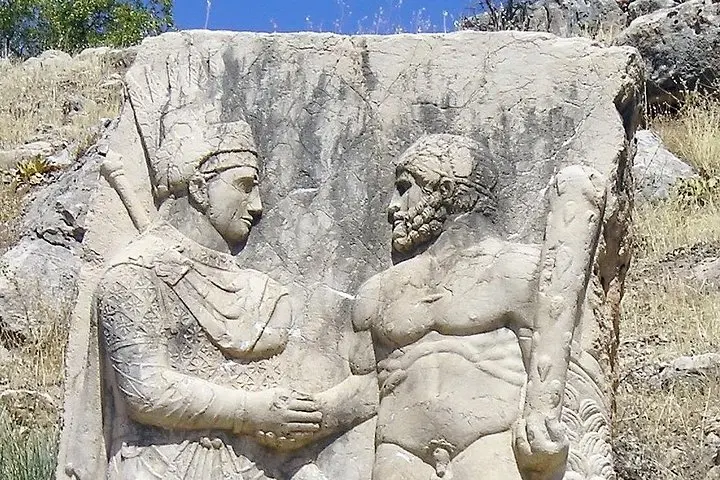
A predawn hush rests on the high summit road as the vehicle climbs toward Mount Nemrut. Headlamps punch through fog, and the first silhouettes of colossal heads cut the horizon—stone gods and a king, faces turned toward a cold, eastern sky that will soon color the plain below.
A predawn hush rests on the high summit road as the vehicle climbs toward Mount Nemrut. Headlamps punch through fog, and the first silhouettes of colossal heads cut the horizon—stone gods and a king, faces turned toward a cold, eastern sky that will soon color the plain below.
Mount Nemrut rises to roughly 2,130 m (about 7,000 ft). The site is dominated by a 49 m tumulus and two monumental terraces of Hellenistic sculpture erected in 62 BC by King Antiochus I of Commagene, where Greek facial forms meet Persian dress. The western terrace maps constellations and planets carved into a slab; surrounding landscapes record the collision of Anatolian plateaus and nearby river valleys carved by the Euphrates.
Cultural threads run deep here—Commagene’s syncretic pantheon, nearby Roman bridges, and the mudbrick ruins of Harran remind visitors they’re moving through layers of trade, empire, and belief.
Practically: expect short, uneven walking on gravel and packed earth, a 10–30 minute approach to terraces from parking, and large temperature swings—sunrise is cold even in summer. The tour typically runs over two days with hotel nights in Adıyaman/Kahta and domestic transfers included. Guides will handle permits and timing for the iconic sunrise and late-afternoon light, when shadows reveal sculptural detail.
Bring a warm layer, sturdy boots with good traction, water, and a headlamp if you’re joining sunrise. Respect fragile masonry—don’t climb the statues—and allow for slow acclimatization; the thin air at 2,100 m can catch even fit hikers off guard.