THE ADVENTURE COLLECTIVE® · Independent discovery and booking for outdoor travel

Move beyond Mumbai’s postcard sights into working neighborhoods on this private day tour. Visit Dhobi Ghat’s open-air laundromat, explore Dharavi’s artisan lanes, and learn local history from a private guide.
Move beyond Mumbai’s postcard sights into working neighborhoods on this private day tour. Visit Dhobi Ghat’s open-air laundromat, explore Dharavi’s artisan lanes, and learn local history from a private guide.
The city opens like a map of motion: trains rattling, vendors calling, and an air-conditioned car easing you past Colaba’s colonial facades into narrow lanes where laundry lines ripple in the breeze. On a Private Mumbai Long Yard Day Tour you move from broad avenues to intimate urban working spaces—Dhobi Ghat’s rows of stone wash pens, the patchwork workshops of Dharavi, and the long-yard district where history and labor intersect.
Verified experiences and guided adventures in the surrounding area.
Operated by Mystical Mumbai · Mumbai, Maharashtra
The city opens like a map of motion: trains rattling, vendors calling, and an air-conditioned car easing you past Colaba’s colonial facades into narrow lanes where laundry lines ripple in the breeze. On a Private Mumbai Long Yard Day Tour you move from broad avenues to intimate urban working spaces—Dhobi Ghat’s rows of stone wash pens, the patchwork workshops of Dharavi, and the long-yard district where history and labor intersect.
Mumbai’s ground tells a story of reclamation: the modern city grew by joining seven islands with causeways in the 18th and 19th centuries, shaping today’s coastline and streets. Dhobi Ghat is a functioning relic of that civic fabric—open-air laundries that service hotels and hospitals—while Dharavi showcases an economy of micro-enterprises producing leather, textiles and pottery in tight, resourceful spaces. The long-yard neighborhoods grew alongside industrialization and have complex social histories tied to migration and labor.
Expect a mix of short walks and vehicle transfers, close-up views of daily life, and candid encounters with artisans. Photography is possible but ask before shooting people; privacy and safety are priorities.
Practical guidance: plan for 4–5 hours, start in the morning to avoid peak heat, wear closed-toe shoes for uneven surfaces and bring a refillable water bottle. Carry small cash for local purchases, and follow your guide’s directions in crowded lanes. This tour rewards curiosity and respect—watch how the city’s tides of work push forward, and listen for the hum of industries still running by hand and muscle.
The tour is advertised as wheelchair accessible with vehicle transport and accessible surfaces in some areas; narrow lanes and certain spots like Dharavi may still be challenging—check specific mobility needs with the operator.
This private tour typically covers vehicle transport and guiding; most neighborhood visits like Dhobi Ghat and Dharavi don’t require formal admission but confirm details with your provider.
Photography is allowed in public areas, but always ask permission before photographing individuals, homes or workspaces—guides will advise on culturally sensitive situations.
Morning sessions (start around 8–10am) avoid peak heat and bustle; late afternoon can be cooler but busier in some neighborhoods.
Mystical Mumbai operates guided outdoor trips and adventures with an emphasis on safety, stewardship, and memorable experiences.
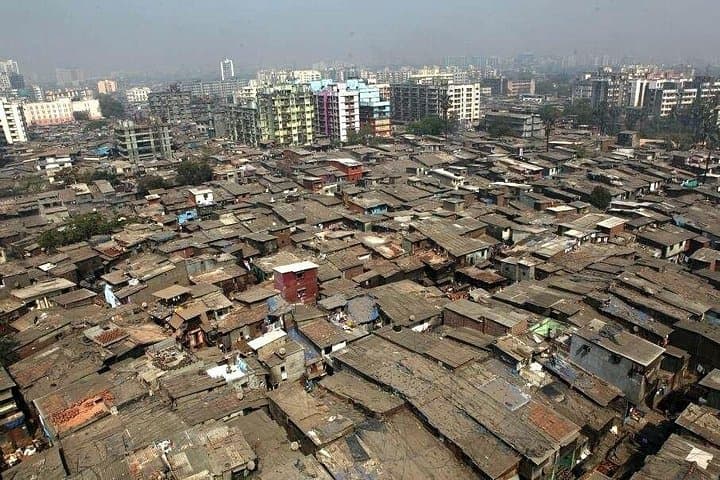


The city opens like a map of motion: trains rattling, vendors calling, and an air-conditioned car easing you past Colaba’s colonial facades into narrow lanes where laundry lines ripple in the breeze. On a Private Mumbai Long Yard Day Tour you move from broad avenues to intimate urban working spaces—Dhobi Ghat’s rows of stone wash pens, the patchwork workshops of Dharavi, and the long-yard district where history and labor intersect.
The city opens like a map of motion: trains rattling, vendors calling, and an air-conditioned car easing you past Colaba’s colonial facades into narrow lanes where laundry lines ripple in the breeze. On a Private Mumbai Long Yard Day Tour you move from broad avenues to intimate urban working spaces—Dhobi Ghat’s rows of stone wash pens, the patchwork workshops of Dharavi, and the long-yard district where history and labor intersect.
Mumbai’s ground tells a story of reclamation: the modern city grew by joining seven islands with causeways in the 18th and 19th centuries, shaping today’s coastline and streets. Dhobi Ghat is a functioning relic of that civic fabric—open-air laundries that service hotels and hospitals—while Dharavi showcases an economy of micro-enterprises producing leather, textiles and pottery in tight, resourceful spaces. The long-yard neighborhoods grew alongside industrialization and have complex social histories tied to migration and labor.
Expect a mix of short walks and vehicle transfers, close-up views of daily life, and candid encounters with artisans. Photography is possible but ask before shooting people; privacy and safety are priorities.
Practical guidance: plan for 4–5 hours, start in the morning to avoid peak heat, wear closed-toe shoes for uneven surfaces and bring a refillable water bottle. Carry small cash for local purchases, and follow your guide’s directions in crowded lanes. This tour rewards curiosity and respect—watch how the city’s tides of work push forward, and listen for the hum of industries still running by hand and muscle.