THE ADVENTURE COLLECTIVE® · Independent discovery and booking for outdoor travel

In four hours a private guide threads you from the marble calm of Sultan Qaboos Grand Mosque through Portuguese-built forts to the bustling Muttrah Souk. This concise city tour is ideal for travelers seeking history, architecture and seaside culture with practical local insights.
In four hours a private guide threads you from the marble calm of Sultan Qaboos Grand Mosque through Portuguese-built forts to the bustling Muttrah Souk. This concise city tour is ideal for travelers seeking history, architecture and seaside culture with practical local insights.
Morning light slides off the Al Hajar foothills and the Gulf of Oman brightens the Muttrah Corniche; a private vehicle eases through Muscat’s low-slung modernity into the hushed marble of the Sultan Qaboos Grand Mosque. The city tour compresses centuries into four hours—stone ramparts, ceremonial palaces and a living seafront market.
Verified experiences and guided adventures in the surrounding area.
Operated by Landscape Tours · Muscat, Muscat Governorate
Morning light slides off the Al Hajar foothills and the Gulf of Oman brightens the Muttrah Corniche; a private vehicle eases through Muscat’s low-slung modernity into the hushed marble of the Sultan Qaboos Grand Mosque. The city tour compresses centuries into four hours—stone ramparts, ceremonial palaces and a living seafront market.
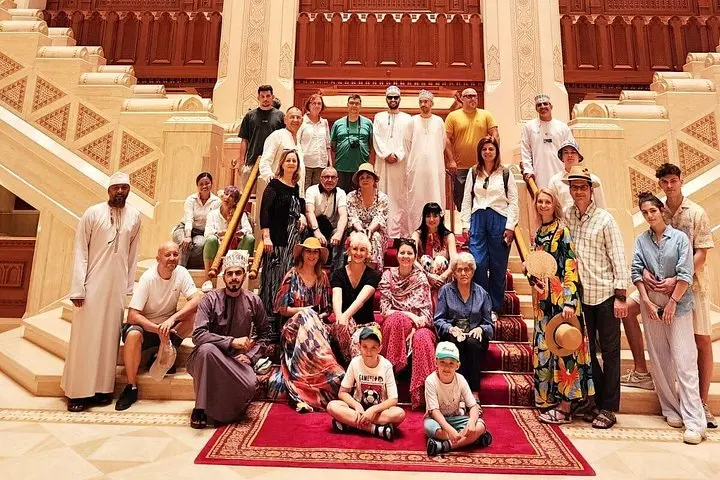
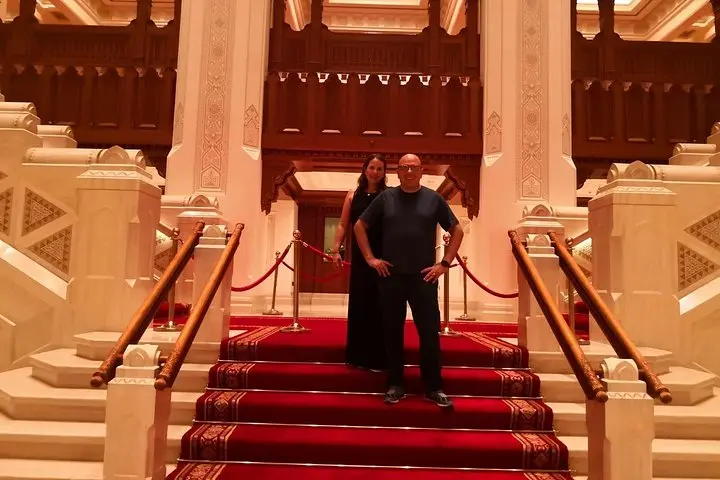
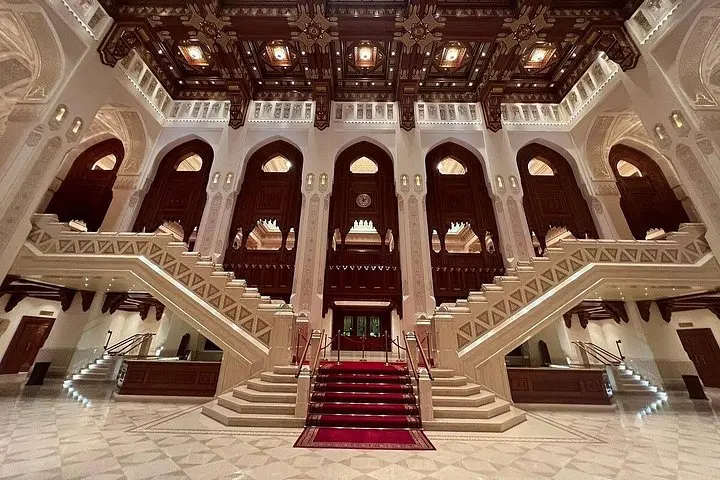
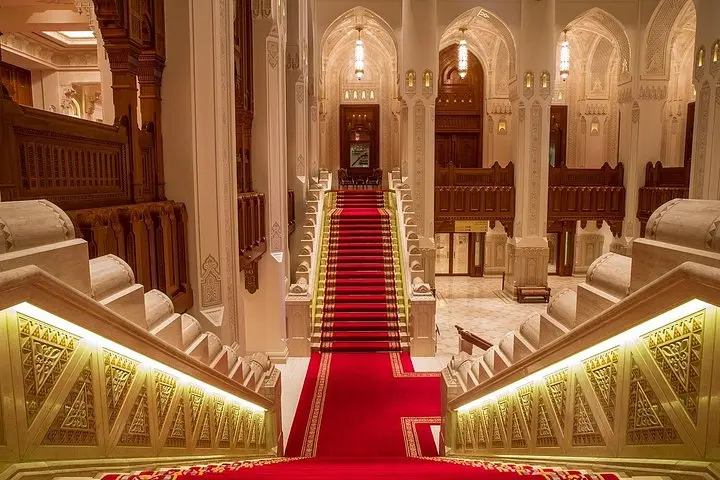
Old Muscat’s forts—Al Jalali and Al Mirani—speak of 16th-century Portuguese coastlines and later Omani reclamation, their weathered walls facing a working harbor. Sultan Qaboos Grand Mosque, opened in 2001, anchors the city’s contemporary identity with one of the world’s largest single-piece hand-woven carpets and ornate chandeliers. The Royal Opera House signals Muscat’s cultural pivot toward global arts, while Muttrah Souk retains the rhythm of commerce: copperware, frankincense and bargaining voices.
Geology is quiet but present: the Al Hajar foothills push the city against the sea, creating sheltered coves and a port shaped by shifting tides. Local life orients around prayer times, sea trade and government institutions—expect respectful dress and measured conversation.
Practical guidance: plan your mosque visit outside Friday prayers for interior access; begin early to avoid midday heat and traffic. Wear breathable, modest clothing and comfortable walking shoes for cobbled souks and fort viewpoints. Carry a refillable water bottle and sun protection; photo stops at palaces and forts are common but interiors may be closed on public holidays. A private guide makes logistics seamless—pick-up and drop-off are typically included—leaving you to watch the sea push and pull at Muscat’s shoreline as you move from stone to souk.
The mosque is closed for Friday congregational prayers; if your tour falls on Friday you will usually get an exterior photo stop only.
Interior admission for the Grand Mosque is typically free, but access can be limited; other buildings like the Opera House are usually photo stops only unless visiting on a public program.
Yes; this private tour usually includes pickup and drop-off within the Muscat area in a 4x4 or sedan as specified.
Yes—small purchases and bargaining are commonly cash-based, though some vendors accept cards; bring OMR in small denominations.
Landscape Tours operates guided outdoor trips and adventures with an emphasis on safety, stewardship, and memorable experiences.
Morning light slides off the Al Hajar foothills and the Gulf of Oman brightens the Muttrah Corniche; a private vehicle eases through Muscat’s low-slung modernity into the hushed marble of the Sultan Qaboos Grand Mosque. The city tour compresses centuries into four hours—stone ramparts, ceremonial palaces and a living seafront market.
Morning light slides off the Al Hajar foothills and the Gulf of Oman brightens the Muttrah Corniche; a private vehicle eases through Muscat’s low-slung modernity into the hushed marble of the Sultan Qaboos Grand Mosque. The city tour compresses centuries into four hours—stone ramparts, ceremonial palaces and a living seafront market.
Old Muscat’s forts—Al Jalali and Al Mirani—speak of 16th-century Portuguese coastlines and later Omani reclamation, their weathered walls facing a working harbor. Sultan Qaboos Grand Mosque, opened in 2001, anchors the city’s contemporary identity with one of the world’s largest single-piece hand-woven carpets and ornate chandeliers. The Royal Opera House signals Muscat’s cultural pivot toward global arts, while Muttrah Souk retains the rhythm of commerce: copperware, frankincense and bargaining voices.
Geology is quiet but present: the Al Hajar foothills push the city against the sea, creating sheltered coves and a port shaped by shifting tides. Local life orients around prayer times, sea trade and government institutions—expect respectful dress and measured conversation.
Practical guidance: plan your mosque visit outside Friday prayers for interior access; begin early to avoid midday heat and traffic. Wear breathable, modest clothing and comfortable walking shoes for cobbled souks and fort viewpoints. Carry a refillable water bottle and sun protection; photo stops at palaces and forts are common but interiors may be closed on public holidays. A private guide makes logistics seamless—pick-up and drop-off are typically included—leaving you to watch the sea push and pull at Muscat’s shoreline as you move from stone to souk.