THE ADVENTURE COLLECTIVE® · Independent discovery and booking for outdoor travel

See Muscat’s highlights in one practical half-day: the Grand Mosque’s marble halls, Muttrah Souq’s tight alleys, and harbor forts that recall Portuguese and Omani maritime history. Ideal for first-time visitors who want efficient orientation with cultural context.
See Muscat’s highlights in one practical half-day: the Grand Mosque’s marble halls, Muttrah Souq’s tight alleys, and harbor forts that recall Portuguese and Omani maritime history. Ideal for first-time visitors who want efficient orientation with cultural context.
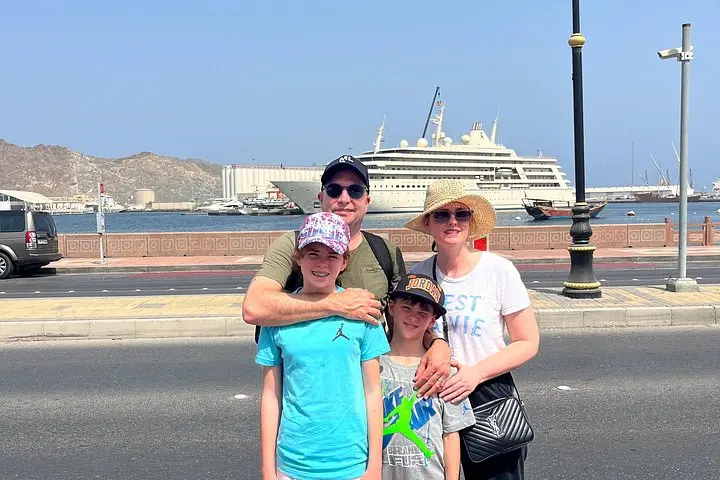
You step from the shaded car into a city defined by steep rock and bright sea: Muscat’s harbor presses blue against weathered forts while the Al Hajar ridgeline keeps a careful watch. The tour moves at a practical pace—grand mosque, opera house, Muttrah Corniche—so you see the city’s contrasts: white marble and market stalls, ceremonial palaces and fishermen hauling nets.
Verified experiences and guided adventures in the surrounding area.
Operated by Mazin · Muscat, Muscat Governorate
You step from the shaded car into a city defined by steep rock and bright sea: Muscat’s harbor presses blue against weathered forts while the Al Hajar ridgeline keeps a careful watch. The tour moves at a practical pace—grand mosque, opera house, Muttrah Corniche—so you see the city’s contrasts: white marble and market stalls, ceremonial palaces and fishermen hauling nets.
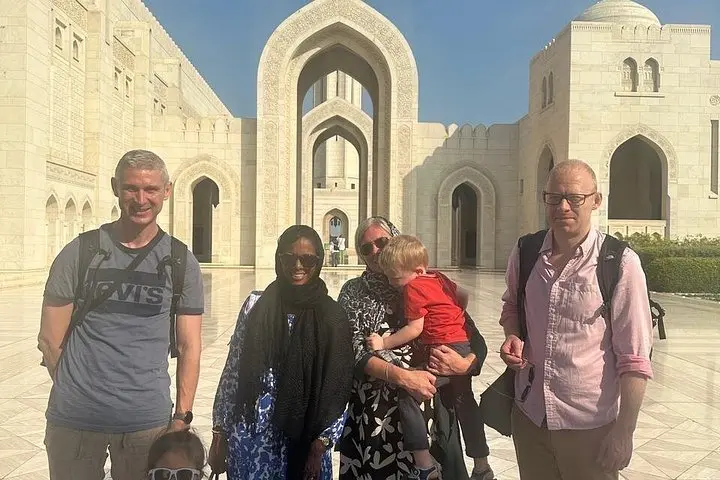
Muscat’s coastal geology is visible everywhere: rocky headlands scar the shoreline where Portuguese-built Al Mirani and Al Jalali forts cling to the harbor, reminders of 16th-century contest for trade routes. The Sultan Qaboos Grand Mosque, opened in 2001, shows modern Omani identity through scale and craft; Bait Al Zubair traces local dress and daily life over centuries while Muttrah Souq still hums with bartering tradition.
Culture here is public and tactile—tea poured in small glasses, frankincense smoke on doorsteps, and the sea that pushes and shapes the city’s rhythms. Expect straightforward walking on paved streets and corniche promenades; short climbs to photo vantage points at the forts; and crowded alleys in the souq.
Practical guidance: wear comfortable, modest clothing for mosque entry, hydrate in the shade, and bring cash for small purchases. Morning light is best for photos and cooler temperatures, while late afternoon softens the harbor’s glare. The tour is accessible for most fitness levels and offers a compact, efficient introduction to Muscat’s history, harbor, and market life.
Most tours include a stop at Sultan Qaboos Grand Mosque; modest clothing that covers shoulders and legs is required and women may need a headscarf.
Admission varies by stop—many exterior photo stops are free, while some museums may charge separate entry fees not always included in private tours.
Many parts of the city and the transportation used are wheelchair accessible, but some historic forts and souq alleys have steps or uneven surfaces.
Early morning or late afternoon offers cooler temperatures and better light for photos; midday can be hot and busier at popular sites.
Mazin operates guided outdoor trips and adventures with an emphasis on safety, stewardship, and memorable experiences.
You step from the shaded car into a city defined by steep rock and bright sea: Muscat’s harbor presses blue against weathered forts while the Al Hajar ridgeline keeps a careful watch. The tour moves at a practical pace—grand mosque, opera house, Muttrah Corniche—so you see the city’s contrasts: white marble and market stalls, ceremonial palaces and fishermen hauling nets.
You step from the shaded car into a city defined by steep rock and bright sea: Muscat’s harbor presses blue against weathered forts while the Al Hajar ridgeline keeps a careful watch. The tour moves at a practical pace—grand mosque, opera house, Muttrah Corniche—so you see the city’s contrasts: white marble and market stalls, ceremonial palaces and fishermen hauling nets.
Muscat’s coastal geology is visible everywhere: rocky headlands scar the shoreline where Portuguese-built Al Mirani and Al Jalali forts cling to the harbor, reminders of 16th-century contest for trade routes. The Sultan Qaboos Grand Mosque, opened in 2001, shows modern Omani identity through scale and craft; Bait Al Zubair traces local dress and daily life over centuries while Muttrah Souq still hums with bartering tradition.
Culture here is public and tactile—tea poured in small glasses, frankincense smoke on doorsteps, and the sea that pushes and shapes the city’s rhythms. Expect straightforward walking on paved streets and corniche promenades; short climbs to photo vantage points at the forts; and crowded alleys in the souq.
Practical guidance: wear comfortable, modest clothing for mosque entry, hydrate in the shade, and bring cash for small purchases. Morning light is best for photos and cooler temperatures, while late afternoon softens the harbor’s glare. The tour is accessible for most fitness levels and offers a compact, efficient introduction to Muscat’s history, harbor, and market life.