THE ADVENTURE COLLECTIVE® · Independent discovery and booking for outdoor travel

Escape Beijing for a private day that pairs Mutianyu’s sweeping Great Wall with the Ming Tombs’ Dingling and the Sacred Way. Walk restored ramparts, descend into an imperial tomb, and learn the rituals etched in stone—without the large-group rush.
Escape Beijing for a private day that pairs Mutianyu’s sweeping Great Wall with the Ming Tombs’ Dingling and the Sacred Way. Walk restored ramparts, descend into an imperial tomb, and learn the rituals etched in stone—without the large-group rush.
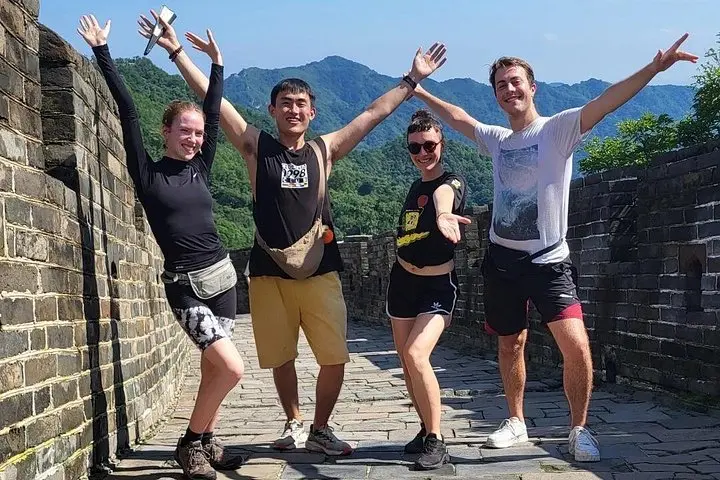
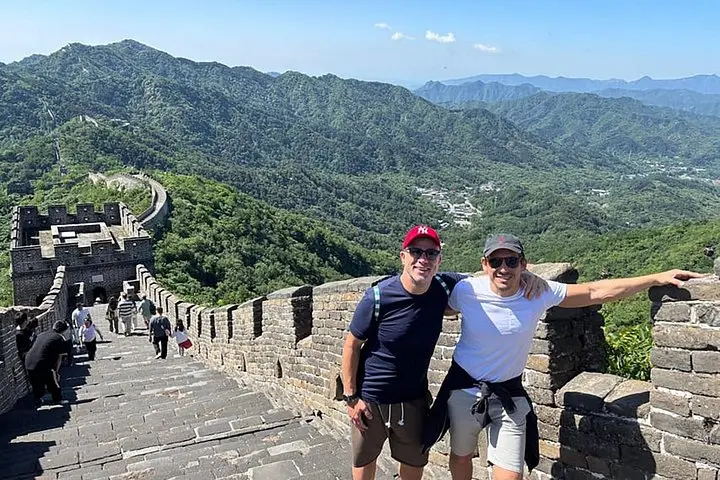
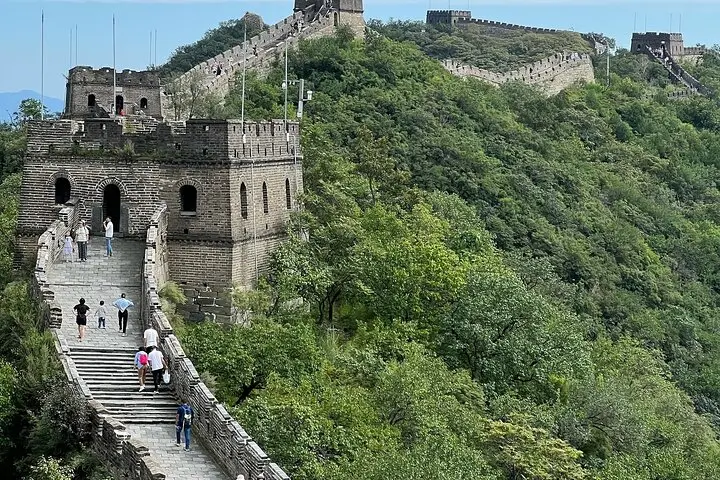
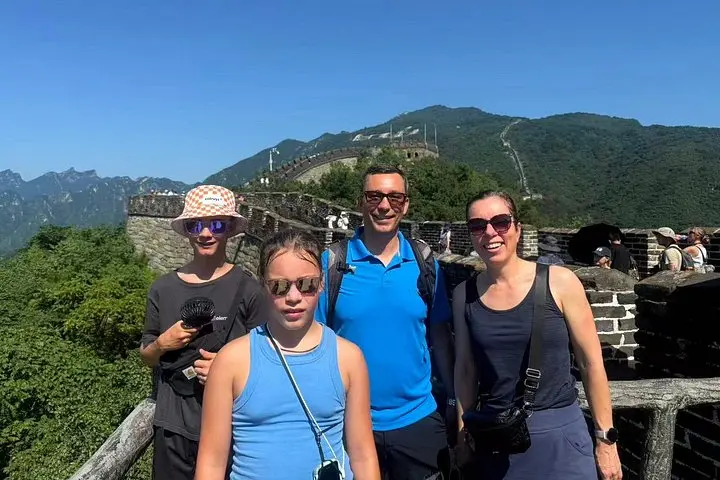
A crisp mountain wind lifts the morning haze as the road out of Beijing narrows and the first crenellated silhouettes of the Great Wall appear over a ridgeline. At Mutianyu the stone walkway climbs and dips across rounded hills, watchtowers punctuating the skyline like old sentries. Trees press close to the wall, their branches nudging the path and occasionally dropping a confetti of leaves underfoot.
Verified experiences and guided adventures in the surrounding area.
Operated by Busda · Beijing, Beijing
A crisp mountain wind lifts the morning haze as the road out of Beijing narrows and the first crenellated silhouettes of the Great Wall appear over a ridgeline. At Mutianyu the stone walkway climbs and dips across rounded hills, watchtowers punctuating the skyline like old sentries. Trees press close to the wall, their branches nudging the path and occasionally dropping a confetti of leaves underfoot.
This circuit pairs Mutianyu’s well-preserved Ming-period ramparts with the Ming Tombs complex—Dingling’s excavated underground palace and the Sacred Way’s line of carved beasts. The Great Wall here was reinforced during the Ming dynasty to guard approaches to the capital and sits on granite and schist ridges that sharpen the views. The Sacred Way, once a ceremonial approach, still speaks to imperial ritual through its stone animals and symmetrical layout.
Expect a balanced day: photo stops, moderate walking with long stone stair sections, and optional cable-car or toboggan descents at Mutianyu. The underground chambers at Dingling are cool and dim—bring a light jacket—while the Sacred Way rewards a slower pace and time to examine the statues.
Practical notes: start early to avoid traffic and peak crowds, wear grippy shoes for uneven stone, carry 1–2 liters of water and sun protection, and keep your passport or ID handy for site tickets. The private format means flexible stops and hotel pickup; pace yourself on the stairs and plan for roughly a 10-hour outing from Beijing.
This itinerary indicates entrance tickets to the sites are included in the tour price.
Private hotel pickup and drop-off are offered if you select that option when booking.
Mutianyu offers a cable car up and a toboggan or chairlift down so you can reduce stair climbing if desired.
The tour is marketed as suitable for all fitness levels, but stairs and uneven stone may be challenging—consider cable car options for those with limited mobility.
Busda operates guided outdoor trips and adventures with an emphasis on safety, stewardship, and memorable experiences.
A crisp mountain wind lifts the morning haze as the road out of Beijing narrows and the first crenellated silhouettes of the Great Wall appear over a ridgeline. At Mutianyu the stone walkway climbs and dips across rounded hills, watchtowers punctuating the skyline like old sentries. Trees press close to the wall, their branches nudging the path and occasionally dropping a confetti of leaves underfoot.
A crisp mountain wind lifts the morning haze as the road out of Beijing narrows and the first crenellated silhouettes of the Great Wall appear over a ridgeline. At Mutianyu the stone walkway climbs and dips across rounded hills, watchtowers punctuating the skyline like old sentries. Trees press close to the wall, their branches nudging the path and occasionally dropping a confetti of leaves underfoot.
This circuit pairs Mutianyu’s well-preserved Ming-period ramparts with the Ming Tombs complex—Dingling’s excavated underground palace and the Sacred Way’s line of carved beasts. The Great Wall here was reinforced during the Ming dynasty to guard approaches to the capital and sits on granite and schist ridges that sharpen the views. The Sacred Way, once a ceremonial approach, still speaks to imperial ritual through its stone animals and symmetrical layout.
Expect a balanced day: photo stops, moderate walking with long stone stair sections, and optional cable-car or toboggan descents at Mutianyu. The underground chambers at Dingling are cool and dim—bring a light jacket—while the Sacred Way rewards a slower pace and time to examine the statues.
Practical notes: start early to avoid traffic and peak crowds, wear grippy shoes for uneven stone, carry 1–2 liters of water and sun protection, and keep your passport or ID handy for site tickets. The private format means flexible stops and hotel pickup; pace yourself on the stairs and plan for roughly a 10-hour outing from Beijing.