THE ADVENTURE COLLECTIVE® · Independent discovery and booking for outdoor travel

Walk a less-crowded stretch of the Ming Great Wall at Mutianyu with a private half-day tour. This guide covers what to expect—history, terrain, logistics, and smart planning tips for a smooth visit.
Walk a less-crowded stretch of the Ming Great Wall at Mutianyu with a private half-day tour. This guide covers what to expect—history, terrain, logistics, and smart planning tips for a smooth visit.
You step from the van onto a shoulder of green mountains; wind tugs at your jacket and the wall unfurls uphill like an ancient spine. At Mutianyu, stone parapets rise and fall over rounded ridgelines, watchtowers punctuating the skyline while pines lean as if to whisper directions. The place feels engineered for movement—the path alternates broad, worn steps and narrow crenellations that force a steady, mindful pace.
Verified experiences and guided adventures in the surrounding area.
Operated by Demi Beijing Private Tours · Beijing, Beijing
You step from the van onto a shoulder of green mountains; wind tugs at your jacket and the wall unfurls uphill like an ancient spine. At Mutianyu, stone parapets rise and fall over rounded ridgelines, watchtowers punctuating the skyline while pines lean as if to whisper directions. The place feels engineered for movement—the path alternates broad, worn steps and narrow crenellations that force a steady, mindful pace.
Built and rebuilt during the Ming dynasty, Mutianyu guarded the approaches to Beijing and now sits protected as part of a UNESCO World Heritage Site. The wall here uses local stone and brick, conforming to the contours of granite outcrops; erosion has softened the angles, and forests reclaim the slopes between watchtowers, giving the site its famously high greenery rate.
Locals in Huairou remember the wall’s defensive role; today signals are cultural, not military—tourism and conservation share the terrain. Mutianyu is less crowded than Badaling but still busiest mid-day; a cable car and chairlift shorten the climb, and a toboggan offers a playful descent.
Practicalities matter: expect 4–6 hours total with private transfers and a guide included. Moderate fitness helps—stone steps are uneven and can be steep. Bring layers, sun protection, and plenty of water; nights turn cool and weather can shift quickly. Have passport details ready at booking for entrance tickets. Visit early or late in shoulder seasons for the clearest light and thinner crowds. Move deliberately, respect the structure, and let the wall’s long stones guide your rhythm uphill.
Yes—this tour includes the Mutianyu admission ticket; passport details are required at booking to secure entry.
The route includes long stone staircases and uneven sections; it’s moderate in difficulty and suitable for most people who can manage sustained stair climbing.
Private transfer service is included, with pickup and drop-off arranged from central Beijing or designated points—confirm your pickup location when booking.
Yes—there are cable cars and chairlifts to reach the wall and an optional toboggan for descent; check availability and extra costs with the operator.
Demi Beijing Private Tours operates guided outdoor trips and adventures with an emphasis on safety, stewardship, and memorable experiences.
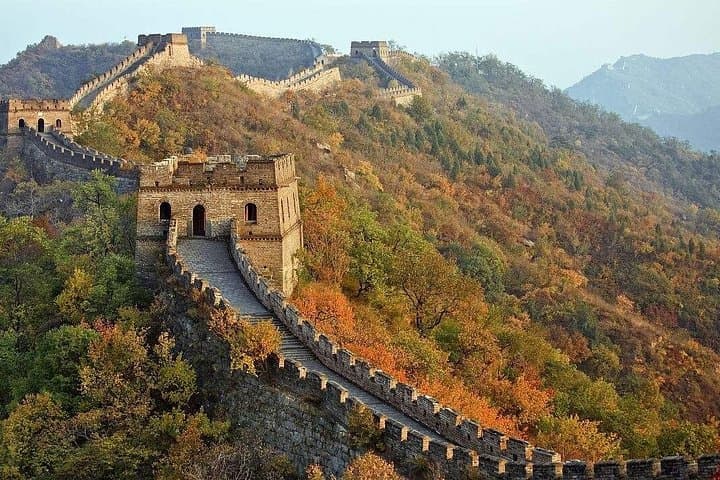
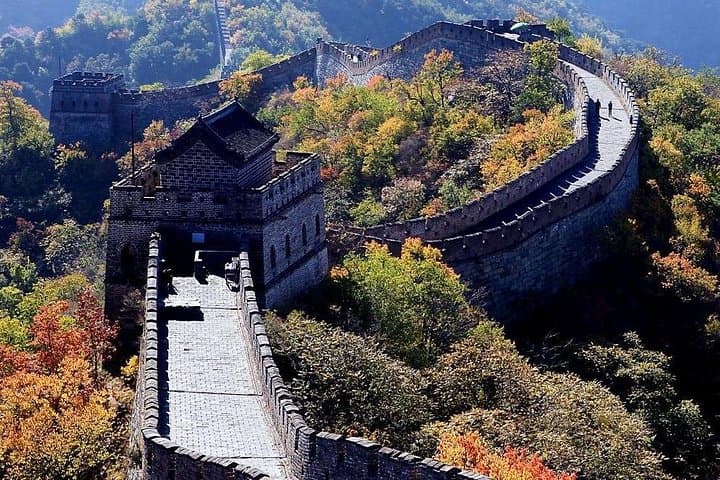


You step from the van onto a shoulder of green mountains; wind tugs at your jacket and the wall unfurls uphill like an ancient spine. At Mutianyu, stone parapets rise and fall over rounded ridgelines, watchtowers punctuating the skyline while pines lean as if to whisper directions. The place feels engineered for movement—the path alternates broad, worn steps and narrow crenellations that force a steady, mindful pace.
You step from the van onto a shoulder of green mountains; wind tugs at your jacket and the wall unfurls uphill like an ancient spine. At Mutianyu, stone parapets rise and fall over rounded ridgelines, watchtowers punctuating the skyline while pines lean as if to whisper directions. The place feels engineered for movement—the path alternates broad, worn steps and narrow crenellations that force a steady, mindful pace.
Built and rebuilt during the Ming dynasty, Mutianyu guarded the approaches to Beijing and now sits protected as part of a UNESCO World Heritage Site. The wall here uses local stone and brick, conforming to the contours of granite outcrops; erosion has softened the angles, and forests reclaim the slopes between watchtowers, giving the site its famously high greenery rate.
Locals in Huairou remember the wall’s defensive role; today signals are cultural, not military—tourism and conservation share the terrain. Mutianyu is less crowded than Badaling but still busiest mid-day; a cable car and chairlift shorten the climb, and a toboggan offers a playful descent.
Practicalities matter: expect 4–6 hours total with private transfers and a guide included. Moderate fitness helps—stone steps are uneven and can be steep. Bring layers, sun protection, and plenty of water; nights turn cool and weather can shift quickly. Have passport details ready at booking for entrance tickets. Visit early or late in shoulder seasons for the clearest light and thinner crowds. Move deliberately, respect the structure, and let the wall’s long stones guide your rhythm uphill.