THE ADVENTURE COLLECTIVE® · Independent discovery and booking for outdoor travel

Escape Beijing for a day to walk a restored section of the Great Wall at Mutianyu and visit the solemn Ming Tombs. This private transfer (with optional guide) combines easy logistics with time to explore at your own pace.
Escape Beijing for a day to walk a restored section of the Great Wall at Mutianyu and visit the solemn Ming Tombs. This private transfer (with optional guide) combines easy logistics with time to explore at your own pace.
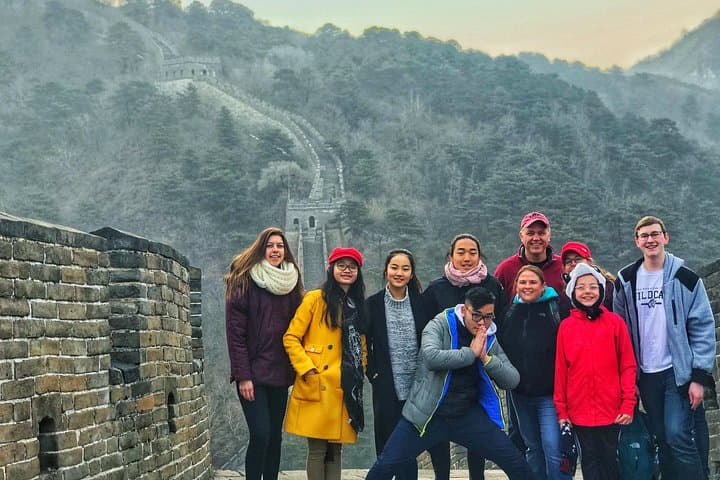
You step out of Beijing’s traffic into a quieter landscape: the city skyline recedes, highway signs give way to stone terraces and scattered pines, and the Great Wall appears on the ridge like an old spine running across the hills.
Verified experiences and guided adventures in the surrounding area.
Operated by Beijing Driver Guide Service · Beijing, Beijing
You step out of Beijing’s traffic into a quieter landscape: the city skyline recedes, highway signs give way to stone terraces and scattered pines, and the Great Wall appears on the ridge like an old spine running across the hills.
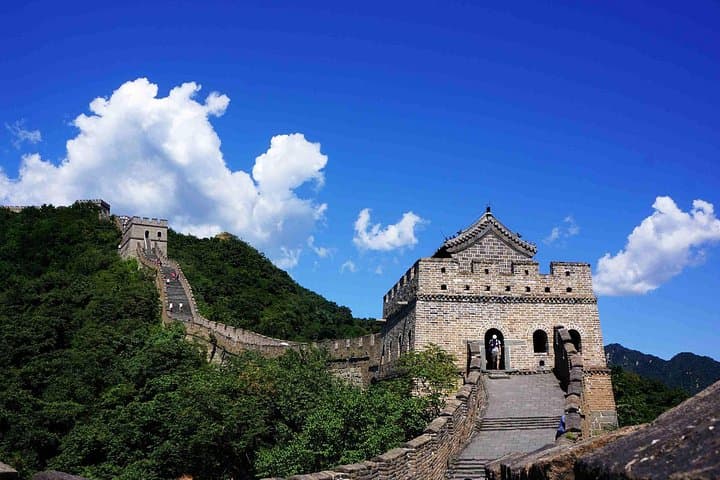
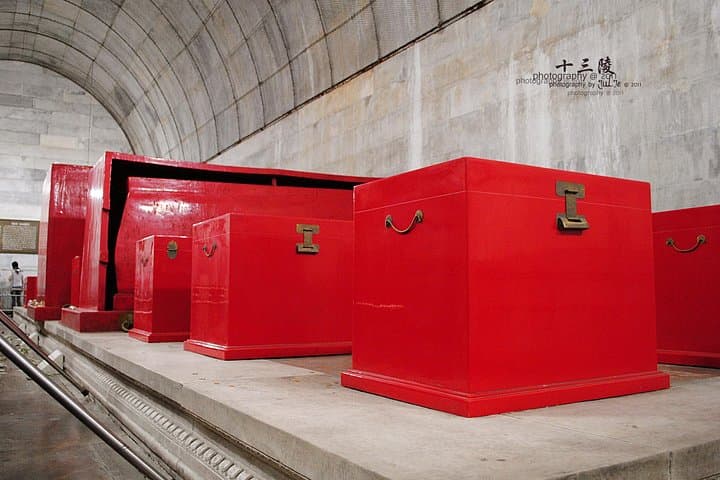
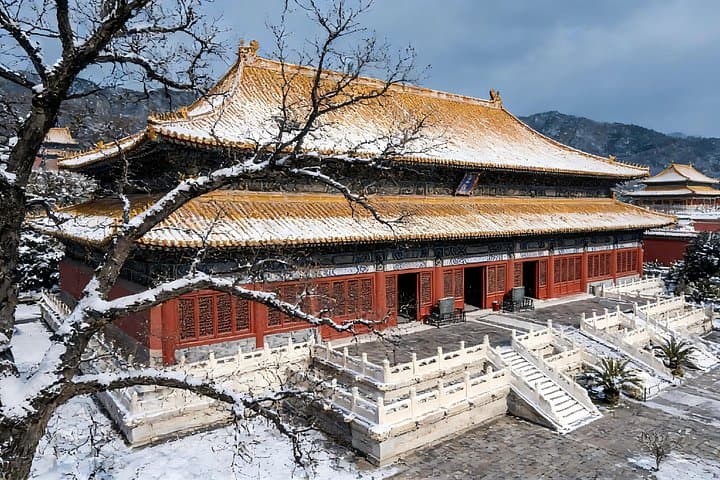
Mutianyu’s repaired watchtowers stand firm above chestnut groves, their stonework telling of Ming-era defenses and decades of conservation. The wall here follows a serrated crestline—steep stair sections give way to gentler, walkable stretches—offering broad views of cultivated valleys and small villages. At the Ming Tombs, tree-lined ceremonial avenues and the Sacred Way introduce a different layer of history: thirteen imperial mausoleums set into the mountain foothills that chronicle Ming dynasty funerary architecture and Confucian ritual landscapes.
Geologically, the area is low mountain belt—granite and schist underlie the wall foundations, and erosion patterns formed the ridgelines the builders exploited. Culturally, both sites blend imperial purpose with modern tourism: solitude still exists on quieter towers if you arrive early or late.
Practical guidance: the full service runs 8–9 hours from central Beijing. Driving to Mutianyu is roughly 1.5 hours; expect about an hour between sites. Tickets and cable-car or chairlift rides are typically paid on site; guides or drivers can assist with logistics. Wear sturdy shoes for uneven stone steps, bring water and sun protection, and carry your passport for ticketing. If you prefer context, choose the guide option; for a flexible pace, select transfer-only. Aim for an early departure to avoid busier midday crowds and summer heat.
No—entrance fees, cable-car or chairlift tickets, and optional attractions are typically paid on site; the driver or guide will assist you with where to buy them.
Expect about 1.5 hours from central Beijing to Mutianyu under normal traffic; travel time to the Ming Tombs is roughly one hour depending on route and traffic.
Yes. The service is rated physically easy overall, but the Great Wall contains steep steps; choose a moderate pace, use lifts where available, and inform the operator of mobility needs at booking.
Pickup is provided for hotels within Beijing’s 4th Ring Road by default; if your hotel is outside that area, note it when booking—additional charges for pickup may apply.
Beijing Driver Guide Service operates guided outdoor trips and adventures with an emphasis on safety, stewardship, and memorable experiences.
You step out of Beijing’s traffic into a quieter landscape: the city skyline recedes, highway signs give way to stone terraces and scattered pines, and the Great Wall appears on the ridge like an old spine running across the hills.
You step out of Beijing’s traffic into a quieter landscape: the city skyline recedes, highway signs give way to stone terraces and scattered pines, and the Great Wall appears on the ridge like an old spine running across the hills.
Mutianyu’s repaired watchtowers stand firm above chestnut groves, their stonework telling of Ming-era defenses and decades of conservation. The wall here follows a serrated crestline—steep stair sections give way to gentler, walkable stretches—offering broad views of cultivated valleys and small villages. At the Ming Tombs, tree-lined ceremonial avenues and the Sacred Way introduce a different layer of history: thirteen imperial mausoleums set into the mountain foothills that chronicle Ming dynasty funerary architecture and Confucian ritual landscapes.
Geologically, the area is low mountain belt—granite and schist underlie the wall foundations, and erosion patterns formed the ridgelines the builders exploited. Culturally, both sites blend imperial purpose with modern tourism: solitude still exists on quieter towers if you arrive early or late.
Practical guidance: the full service runs 8–9 hours from central Beijing. Driving to Mutianyu is roughly 1.5 hours; expect about an hour between sites. Tickets and cable-car or chairlift rides are typically paid on site; guides or drivers can assist with logistics. Wear sturdy shoes for uneven stone steps, bring water and sun protection, and carry your passport for ticketing. If you prefer context, choose the guide option; for a flexible pace, select transfer-only. Aim for an early departure to avoid busier midday crowds and summer heat.