THE ADVENTURE COLLECTIVE® · Independent discovery and booking for outdoor travel

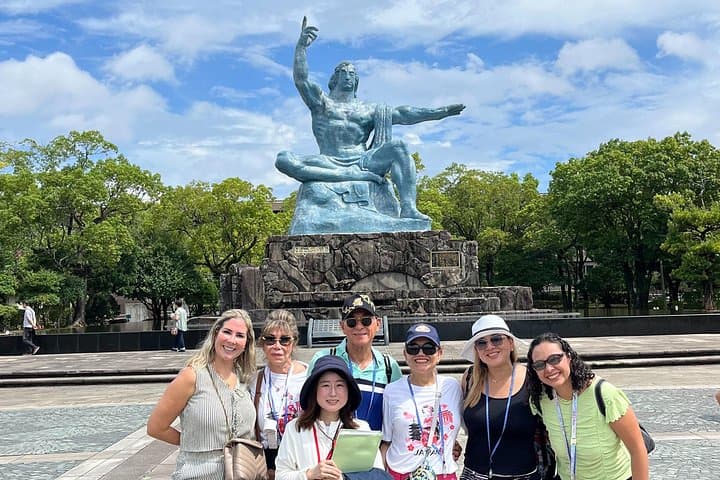
Walk Nagasaki with a local who pairs museum context with neighborhood stories—from the atomic epicenter and Peace Park to the western villas of Glover Garden. This private, customizable tour balances major sites with off-the-beaten-path insights for a fuller picture of the city.
Walk Nagasaki with a local who pairs museum context with neighborhood stories—from the atomic epicenter and Peace Park to the western villas of Glover Garden. This private, customizable tour balances major sites with off-the-beaten-path insights for a fuller picture of the city.
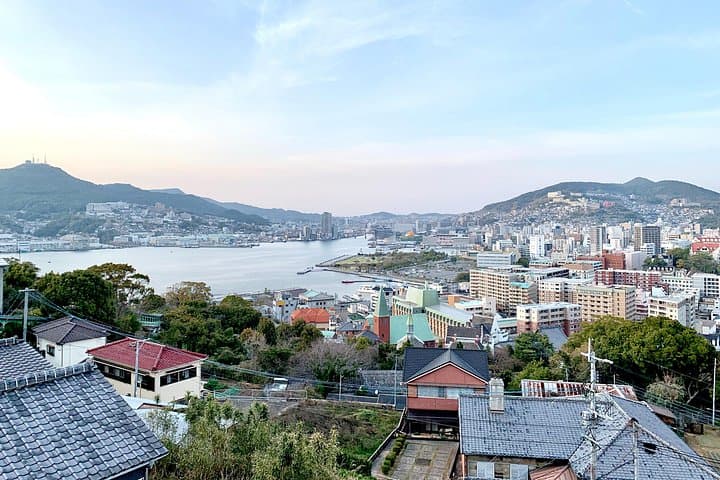
The streets of Nagasaki open slowly: a slope unspools toward the harbor, the air carrying salt and the low hum of trams. On a private walking tour you move at a human pace—through quiet memorial gardens, past the scarred stone of Urakami, and up to a hilltop view over the port where foreign merchant houses peer down across the water.
Verified experiences and guided adventures in the surrounding area.
Operated by Nagasaki Customized Tour · Nagasaki, Nagasaki Prefecture
The streets of Nagasaki open slowly: a slope unspools toward the harbor, the air carrying salt and the low hum of trams. On a private walking tour you move at a human pace—through quiet memorial gardens, past the scarred stone of Urakami, and up to a hilltop view over the port where foreign merchant houses peer down across the water.
This city’s story is layered. From 16th-century Christian missions and a once-isolated foreign settlement on Dejima, to the mid-19th-century opening of the port and the devastation of August 1945, Nagasaki’s history is visible in its streets, architecture and museums. Geologically, the city sits in a drowned river valley hugged by steep hills—those slopes shape narrow roads and vantage points like Mount Inasa that reward the climb.
Expect cultural contrasts: Buddhist temples and Catholic cathedrals, Chinese-influenced marketplaces, and Western-style villas in Glover Garden. A local guide born in Nagasaki adds family perspective to museum exhibits and points out quieter corners beyond the main attractions.
Practical guidance: tours typically run 3–6 hours with moderate walking and some staircases. Wear sturdy shoes and step carefully on uneven pavement. Admission fees are usually included in private packages; bring cash for small vendors and snacks. Midday can be hot and humid in summer, while winter mornings are brisk—layer accordingly. Respect memorial sites by keeping voices low and following signage. With a local guide customizing the route, you can balance major sites—Peace Park, Urakami Cathedral remains, Glover Garden—with lesser-known stops like Dejima or a hilltop promenade for sunset.
Yes; the operator notes wheelchair-accessible options, but confirm route specifics and pickup logistics when booking.
Admission fees are listed as included in the tour package, but double-check if optional stops have separate charges.
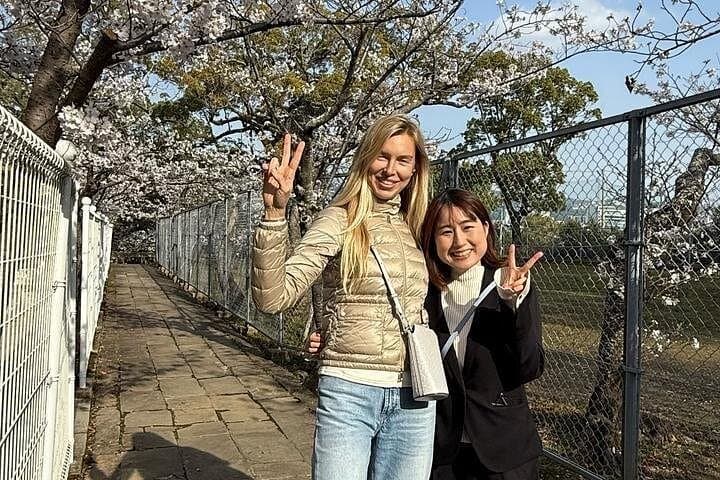
Yes—this private tour is tailored to your interests and can emphasize peace history, foreign settlements, or local neighborhoods.
Typically moderate: expect several hours of walking with some uphill sections and stairs; mobility requirements should be communicated ahead of booking.
Nagasaki Customized Tour operates guided outdoor trips and adventures with an emphasis on safety, stewardship, and memorable experiences.

The streets of Nagasaki open slowly: a slope unspools toward the harbor, the air carrying salt and the low hum of trams. On a private walking tour you move at a human pace—through quiet memorial gardens, past the scarred stone of Urakami, and up to a hilltop view over the port where foreign merchant houses peer down across the water.
The streets of Nagasaki open slowly: a slope unspools toward the harbor, the air carrying salt and the low hum of trams. On a private walking tour you move at a human pace—through quiet memorial gardens, past the scarred stone of Urakami, and up to a hilltop view over the port where foreign merchant houses peer down across the water.
This city’s story is layered. From 16th-century Christian missions and a once-isolated foreign settlement on Dejima, to the mid-19th-century opening of the port and the devastation of August 1945, Nagasaki’s history is visible in its streets, architecture and museums. Geologically, the city sits in a drowned river valley hugged by steep hills—those slopes shape narrow roads and vantage points like Mount Inasa that reward the climb.
Expect cultural contrasts: Buddhist temples and Catholic cathedrals, Chinese-influenced marketplaces, and Western-style villas in Glover Garden. A local guide born in Nagasaki adds family perspective to museum exhibits and points out quieter corners beyond the main attractions.
Practical guidance: tours typically run 3–6 hours with moderate walking and some staircases. Wear sturdy shoes and step carefully on uneven pavement. Admission fees are usually included in private packages; bring cash for small vendors and snacks. Midday can be hot and humid in summer, while winter mornings are brisk—layer accordingly. Respect memorial sites by keeping voices low and following signage. With a local guide customizing the route, you can balance major sites—Peace Park, Urakami Cathedral remains, Glover Garden—with lesser-known stops like Dejima or a hilltop promenade for sunset.