THE ADVENTURE COLLECTIVE® · Independent discovery and booking for outdoor travel

Walk the coastal dune belt outside Swakopmund on a private, guided exploration of the Namib’s oldest sand seas. Spot endemic beetles, lizards, and wind-sculpted dunes while learning the geology and survival strategies of this extreme landscape.
Walk the coastal dune belt outside Swakopmund on a private, guided exploration of the Namib’s oldest sand seas. Spot endemic beetles, lizards, and wind-sculpted dunes while learning the geology and survival strategies of this extreme landscape.
A private vehicle eases onto the flank of the ocean-facing Namib dune belt and the desert breathes salt and warm sand. Guests step out onto fine orange grains that slide underfoot, while low scrub and wind-sculpted ripples map a landscape that changes hour by hour. The guide points to tiny tracks, a beetle’s silhouette, and the pale flash of a lizard — small dramas on a vast stage.
Verified experiences and guided adventures in the surrounding area.
Operated by Opatrip.com Namibia · Swakopmund, Erongo
A private vehicle eases onto the flank of the ocean-facing Namib dune belt and the desert breathes salt and warm sand. Guests step out onto fine orange grains that slide underfoot, while low scrub and wind-sculpted ripples map a landscape that changes hour by hour. The guide points to tiny tracks, a beetle’s silhouette, and the pale flash of a lizard — small dramas on a vast stage.
The Namib is the oldest desert on Earth; its coastal dunes formed as sand pushed inland by Atlantic winds over millions of years. German-era towns like Swakopmund sit at the fringe of these dunes, and local knowledge — from Topnaar settlements along the Kuiseb to modern tour guides — shapes how visitors read the land. Geologically, the coastal belt is young sand over older gravel plains, and biologically it supports species adapted to extreme aridity and fog-driven moisture.
On this private, four-hour tour expect slow walks across sand, short dune climbs (tens of meters), and focused stops to study beetles, lizards, and desert plants. Practical notes: go early or late for softer light and cooler temps; carry at least 1–2 liters of water, high-SPF sunscreen, a wide-brim hat, and sturdy shoes that handle slipping sand. Photography benefits from a telephoto for small fauna and a polarizer to deepen coastal skies. Follow your guide’s path to protect fragile crusts and endemic life — moving carefully here keeps the desert wild for the next traveler.
Dune access for this tour is typically within a 30–60 minute drive from central Swakopmund, depending on exact pick-up location and conditions.
Yes — guides frequently point out fog-basking beetles, lizards, and small snakes; sightings depend on time of day and recent weather.
The tour is rated easy and family-friendly, but walking on loose sand can be strenuous; inform the operator of mobility concerns for tailored pacing.
Light, breathable layers, closed-toe shoes for sand, sun protection, and a windproof layer for cooler mornings or ocean breezes.
Opatrip.com Namibia operates guided outdoor trips and adventures with an emphasis on safety, stewardship, and memorable experiences.


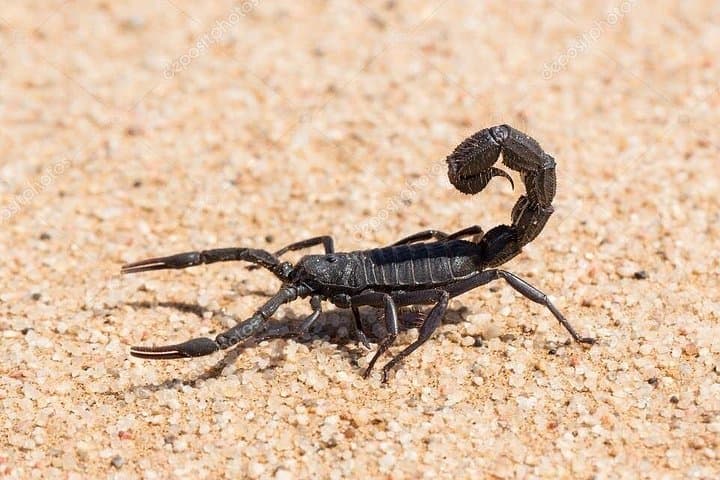

A private vehicle eases onto the flank of the ocean-facing Namib dune belt and the desert breathes salt and warm sand. Guests step out onto fine orange grains that slide underfoot, while low scrub and wind-sculpted ripples map a landscape that changes hour by hour. The guide points to tiny tracks, a beetle’s silhouette, and the pale flash of a lizard — small dramas on a vast stage.
A private vehicle eases onto the flank of the ocean-facing Namib dune belt and the desert breathes salt and warm sand. Guests step out onto fine orange grains that slide underfoot, while low scrub and wind-sculpted ripples map a landscape that changes hour by hour. The guide points to tiny tracks, a beetle’s silhouette, and the pale flash of a lizard — small dramas on a vast stage.
The Namib is the oldest desert on Earth; its coastal dunes formed as sand pushed inland by Atlantic winds over millions of years. German-era towns like Swakopmund sit at the fringe of these dunes, and local knowledge — from Topnaar settlements along the Kuiseb to modern tour guides — shapes how visitors read the land. Geologically, the coastal belt is young sand over older gravel plains, and biologically it supports species adapted to extreme aridity and fog-driven moisture.
On this private, four-hour tour expect slow walks across sand, short dune climbs (tens of meters), and focused stops to study beetles, lizards, and desert plants. Practical notes: go early or late for softer light and cooler temps; carry at least 1–2 liters of water, high-SPF sunscreen, a wide-brim hat, and sturdy shoes that handle slipping sand. Photography benefits from a telephoto for small fauna and a polarizer to deepen coastal skies. Follow your guide’s path to protect fragile crusts and endemic life — moving carefully here keeps the desert wild for the next traveler.