THE ADVENTURE COLLECTIVE® · Independent discovery and booking for outdoor travel

Spend 6–8 hours touring Napa and Sonoma in a private XL SUV, custom-building a day of tastings at acclaimed estates and smaller family-run wineries. This guide explains what to expect, how to plan reservations, and practical tips to get the most from a full-day wine country experience.
Spend 6–8 hours touring Napa and Sonoma in a private XL SUV, custom-building a day of tastings at acclaimed estates and smaller family-run wineries. This guide explains what to expect, how to plan reservations, and practical tips to get the most from a full-day wine country experience.
You step into a long ribbon of road threaded between rows of vines; the valley air pushes cool and faintly of crushed grape skins as your driver eases the XL SUV past tasting rooms and barrel barns. Hills rise like folded maps — some capped with oaks, others scarred with terraces — and the wineries sit like small, deliberate villages along the lanes.
Verified experiences and guided adventures in the surrounding area.
Operated by Wine Nation Tours · Napa, California
You step into a long ribbon of road threaded between rows of vines; the valley air pushes cool and faintly of crushed grape skins as your driver eases the XL SUV past tasting rooms and barrel barns. Hills rise like folded maps — some capped with oaks, others scarred with terraces — and the wineries sit like small, deliberate villages along the lanes.
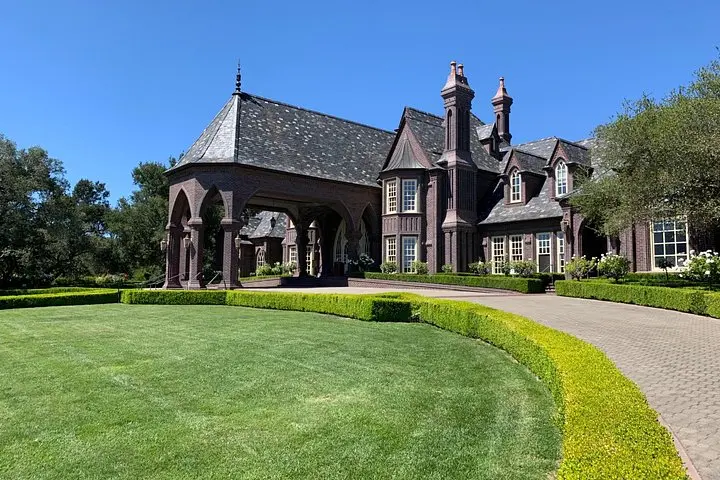
This region’s story is written in geology and immigration: volcanic and alluvial soils laid down over millennia give grapes distinct minerality, while generations of winemakers from Italy, France and beyond shaped an approachable boutique culture and serious Napa Cabernet tradition. Architectural highlights — from medieval-style Castello di Amoroso to modernist Domaine Carneros — reflect both the past and the marketing savvy that built Wine Country’s reputation.
Expect a custom rhythm: your pre-tour consultation creates a tasting list and schedule; reservations are common and tasting fees often apply. Tastings are short, sensory-focused affairs; staff will guide you through acidity, tannin and oak. The landscape is active — tractors, harvest crews and seasonal fermentation aromas signal the industry at work.
Practical guidance: plan 6–8 hours for a two-valley day, limit visits to three or four wineries to avoid palate fatigue, and book reservations in advance. Bring a reusable water bottle, comfortable shoes for cellar floors, and a light layer for coastal breezes. If you’re sampling, rotate sips with water and choose a designated driver or ride service for safety. With careful planning, a private Napa–Sonoma day becomes a measured mix of scenery, cellar-door storytelling and tasting notes you’ll remember long after the last pour.
Tasting fees are typically not included in the tour price; fees vary by winery and are often charged per person unless previously arranged.
Yes — most Napa and Sonoma wineries require or strongly recommend reservations, especially for private groups and weekend visits; your operator schedules these during the pre-tour consultation.
This tour notes wheelchair-accessible vehicles and properties vary by winery; notify the operator ahead of time so they can plan accessible stops.
Yes — tours can accommodate non-drinking guests and families, but tastings are age-restricted; confirm stops and activities during booking to ensure appropriate options.
Wine Nation Tours operates guided outdoor trips and adventures with an emphasis on safety, stewardship, and memorable experiences.

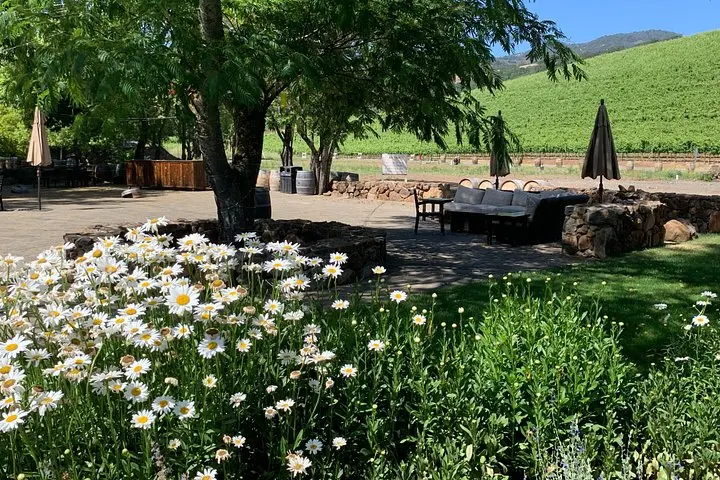

You step into a long ribbon of road threaded between rows of vines; the valley air pushes cool and faintly of crushed grape skins as your driver eases the XL SUV past tasting rooms and barrel barns. Hills rise like folded maps — some capped with oaks, others scarred with terraces — and the wineries sit like small, deliberate villages along the lanes.
You step into a long ribbon of road threaded between rows of vines; the valley air pushes cool and faintly of crushed grape skins as your driver eases the XL SUV past tasting rooms and barrel barns. Hills rise like folded maps — some capped with oaks, others scarred with terraces — and the wineries sit like small, deliberate villages along the lanes.
This region’s story is written in geology and immigration: volcanic and alluvial soils laid down over millennia give grapes distinct minerality, while generations of winemakers from Italy, France and beyond shaped an approachable boutique culture and serious Napa Cabernet tradition. Architectural highlights — from medieval-style Castello di Amoroso to modernist Domaine Carneros — reflect both the past and the marketing savvy that built Wine Country’s reputation.
Expect a custom rhythm: your pre-tour consultation creates a tasting list and schedule; reservations are common and tasting fees often apply. Tastings are short, sensory-focused affairs; staff will guide you through acidity, tannin and oak. The landscape is active — tractors, harvest crews and seasonal fermentation aromas signal the industry at work.
Practical guidance: plan 6–8 hours for a two-valley day, limit visits to three or four wineries to avoid palate fatigue, and book reservations in advance. Bring a reusable water bottle, comfortable shoes for cellar floors, and a light layer for coastal breezes. If you’re sampling, rotate sips with water and choose a designated driver or ride service for safety. With careful planning, a private Napa–Sonoma day becomes a measured mix of scenery, cellar-door storytelling and tasting notes you’ll remember long after the last pour.